OliveEyes@oliveeyes94
Lilies in the Ruins
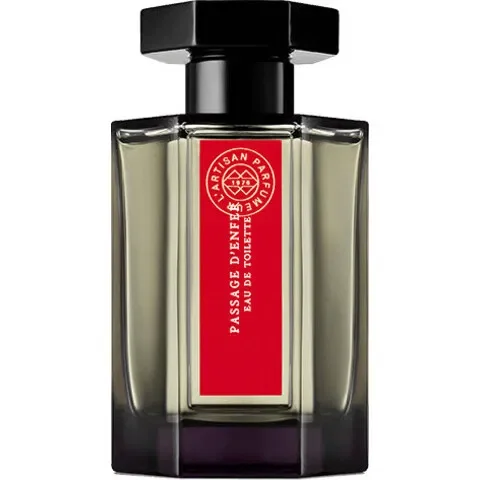 L'Artisan ParfumeurPassage d'Enfer3.9100 ratings
- Longevity2/5
- 2 / 5
- Projection2/5
- 2 / 5
- Sillage2/5
- 2 / 5
- Value3/5
- 3 / 5
- Bottle3/5
- 3 / 5
Dense, honeyed ecclesiastical incense is one of my favorite notes, yet here, the feeling is far more ghostly than rich: a long-abandoned church, where icy air pours through the holes left by stained-glass windows, wild lilies burst from cracks in the stone, and only a hint of incense remains trapped in the old wooden pews.
The "passage to hell" is a bizarre name, because this fragrance comes across as light rather than dark, pure rather than sinful. Lilies are, indeed, a funerary flower, and there’s a thread of melancholy here. Yet equally, there’s the feeling of bright springtime renewal: life pushing through decay. A strong, soapy musk runs through the fragrance, intensifying this sense of vitality.
The incense is elusive - cold wisps of crystalline smoke dancing between the lilies, curling tendrils seeping into the walls of the chapel and blending with the ancient wooden beams of the rafters. There’s an introverted austerity to it, a long-forgotten sorrow, yet the brightness of the lilies brings warmth, creating a bewitching contrast against the dusky, sombre backdrop.
These lilies do strike me as slightly feminine, yet if the passage to hell smells this pretty, then a lifetime of sin feels almost obligatory.