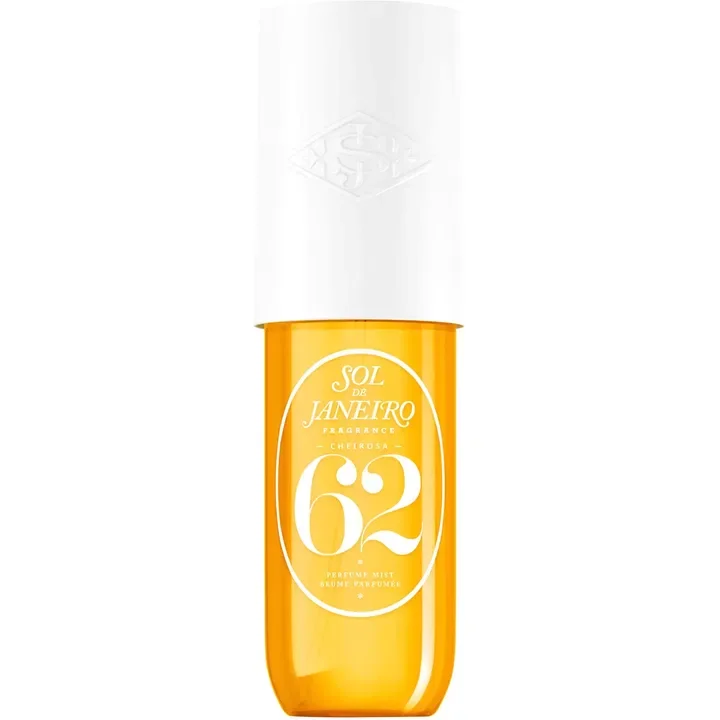
The difference between body mist and perfume is mainly strength. A body mist typically contains around 1 to 3% fragrance concentrate, against roughly 15 to 20% for an Eau de Parfum, so it smells lighter, sits closer and is commonly reported to fade within an hour or two, while a perfume carries through most of a day. A mist is not a failed perfume: it is designed to be sprayed generously and reapplied.
You can see it with scents sold in both formats, such as Victoria's Secret Bombshell or Sol de Janeiro Cheirosa '62: same name, same idea, very different wear. This guide explains what is actually in the bottle, how the two compare scent for scent, when a mist is the better buy, and how to make one last longer.
Key Takeaways
- Concentration is the main difference: around 1 to 3% for a mist, 15 to 20% for most Eau de Parfum. These are industry conventions, not legal limits.
- Buy a mist for reapplying, hot weather, gyms and close spaces, layering, and trying a scent direction cheaply.
- Buy the perfume when you want it to last, to be noticed, or to develop from opening to drydown.
- Mists are not automatically gentler. Most still contain alcohol and the same fragrance allergens; sensitive skin should still patch test.
- Spray a mist on clothes as well as moisturised skin to get noticeably more wear from it.
Table of Contents
- Body mist vs perfume at a glance
- What is a body mist?
- Same scent, two formats: Bombshell and Cheirosa '62
- Why a body mist fades faster
- When a body mist is the better buy
- When to buy the perfume instead
- Is body mist better for sensitive skin?
- How to make a body mist last longer
- Frequently Asked Questions
- What to do next
Discover Your Next Signature Fragrance
Join a community of fragrance lovers. Honest reviews, scent stories and discovery shaped by people with your taste. Get access to the app today.
Live now • Free • Public launch 2026
Body mist vs perfume at a glance
A body mist is lighter, cheaper per bottle and made for reapplying; a perfume is stronger, more structured and made to last.
| Body mist | Eau de Toilette | Eau de Parfum | |
|---|---|---|---|
| Typical concentrate | Around 1 to 3% | Around 5 to 15% | Around 15 to 20% |
| Longevity (as commonly reported) | An hour or two on skin, longer on clothes and hair | A few hours | Most of a working day |
| Projection | Soft, close to the body | Lively at first, then moderate | Moderate to strong |
| Development | Usually simple and linear | Bright opening, lighter base | Full opening, heart and drydown |
| How you apply it | Generously, all over, reapplied | Three to five sprays | Two to four targeted sprays |
| Bottle size | Large | Small to medium | Small to medium |
| Price tier | Affordable | Varies | Varies, highest per bottle |
For the full ladder from cologne to extrait, including Eau Fraîche and hair mists, see perfume concentration levels explained, and for choosing between the main strengths, EDP vs EDT vs Parfum.
What is a body mist?
A body mist (also sold as a fragrance mist, fine fragrance mist or perfume mist) is a light fragrance spray meant for the whole body, and often for hair. It usually combines alcohol and water with a small amount of fragrance, plus extras such as glycerin to soften the feel on skin.
It is a common assumption that mists are water-based and alcohol-free. Most are not: on many popular mists, including Victoria's Secret's, alcohol is still the first ingredient, with water close behind. What changes is how little fragrance is in the mix. You can check any bottle yourself: in the EU, ingredients above 1% are listed in descending order, so if Aqua (water) appears before Parfum (fragrance), the formula contains more water than fragrance concentrate.
"Body spray" can mean something else. In many shops it refers to aerosol deodorant body sprays, which are a different product again, designed mainly to mask sweat.
Same scent, two formats: Bombshell and Cheirosa '62
Brands that sell one scent as both a mist and a perfume show the difference best. The mist gives you the idea of the scent; the perfume gives you more of it, for longer.
Victoria's Secret Bombshell
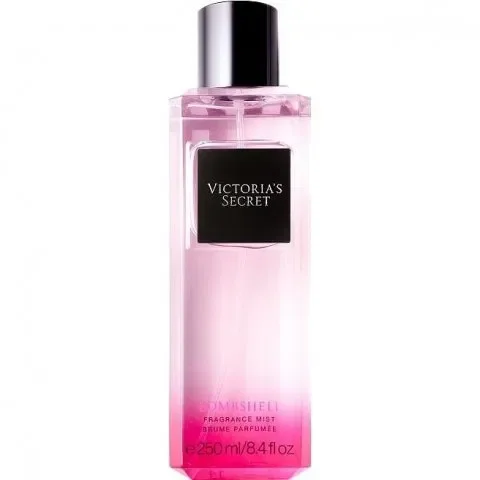
Bombshell from Victoria's Secret, launched in 2010, is sold as both a Fine Fragrance Mist and an Eau de Parfum. The house presents it around purple passion fruit, Shangri-La peony and vanilla orchid: a bright, fruity floral.
- The mist: the fruity, sparkling side up front, lighter and closer; wearers commonly reapply it through the day.
- The Eau de Parfum: the same fruity floral with more body and a longer, softer floral and musky drydown.
- Choose the mist if you like Bombshell as a casual, all-over scent; choose the EDP if you want it from morning to evening.
Sol de Janeiro Cheirosa '62
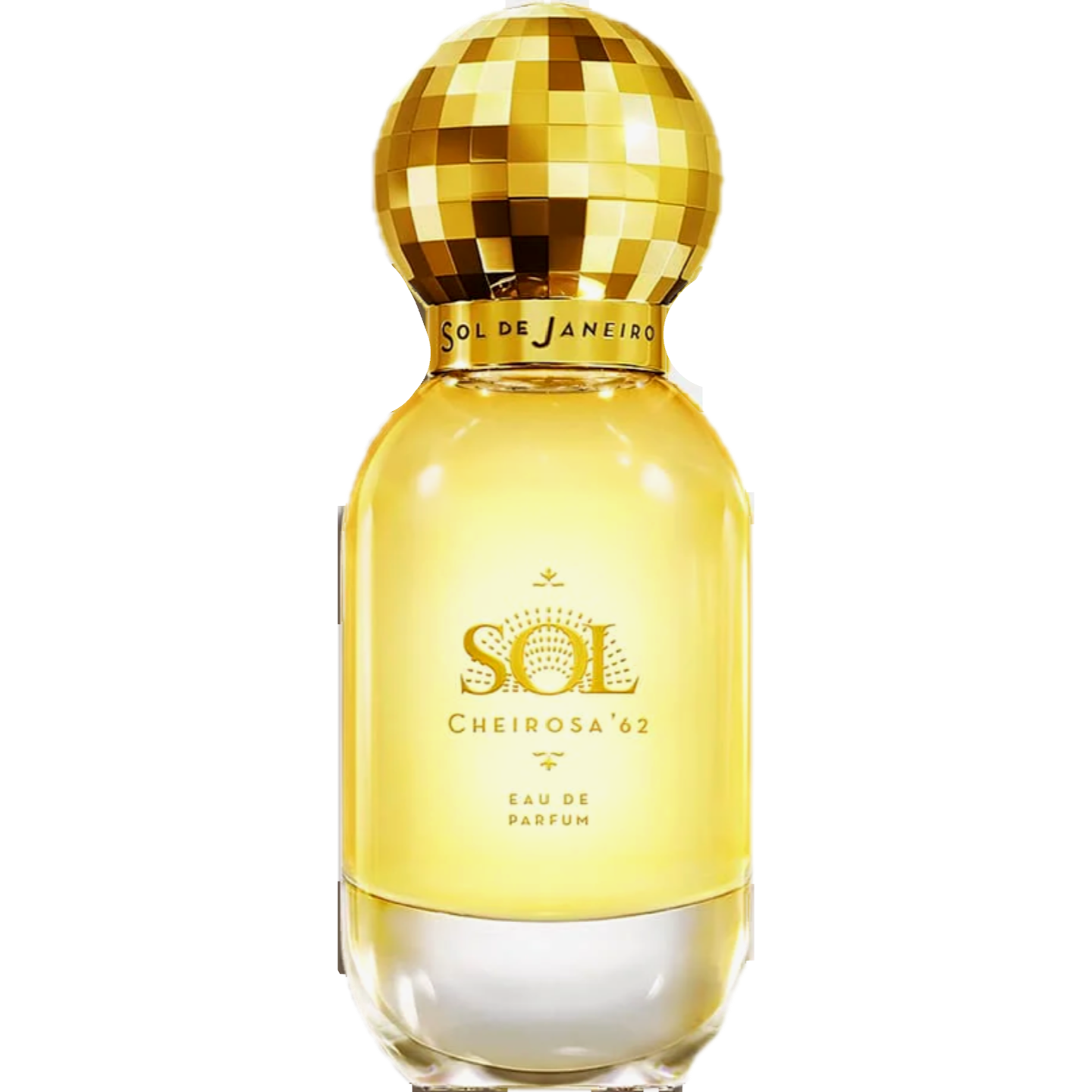
Sol de Janeiro sells its best-known scent as the Cheirosa '62 Perfume Mist for hair and body and, since 2020, as SOL Cheirosa '62 Eau de Parfum. Both carry pistachio and almond, heliotrope and jasmine, and a base of salted caramel, vanilla and sandalwood.
- The mist: a sweet, creamy gourmand cloud that many people wear as an all-over layer, often with the matching body cream.
- The Eau de Parfum: wearers commonly describe it as more polished and longer-lasting, with the nutty, woody side more present and the caramel less dominant.
- Choose the mist if you want the scent as a daily, casual layer; choose the EDP if you want it to last through a day or evening with fewer sprays.
The pattern holds well beyond these two: a mist of a scent is usually brighter and simpler, a perfume of it rounder and longer. Comparing both versions' WhatScent pages shows how the community rates their longevity and projection side by side.
Why a body mist fades faster
A body mist fades faster for two reasons: there is less fragrance on your skin, and the formula leans on bright, fast-evaporating notes.
Less material. With a fraction of the concentrate, there is simply less to evaporate. More sprays help a little, but they mostly make the first half hour stronger rather than adding hours.
A lighter structure. Perfumes rely on heavy base materials such as musks, resins and woods, which evaporate slowly and hold the lighter notes in place. Mists are typically built to smell pleasant immediately, with less of that anchoring base. Our guide to fixatives in perfumery explains how that anchoring works, and what affects perfume longevity covers the rest, from skin hydration to weather.
When a body mist is the better buy
A mist wins whenever you want scent that is easy to reapply and easy on others.
- Hot weather and long days. A mist refreshes without building into a heavy cloud as the day warms up.
- Gyms, hospitals and shared offices, where a full fragrance would be inconsiderate. The gym-safe perfumes and office-safe perfumes guides cover this territory.
- Layering. A simple vanilla, musk or fruity mist under or over a perfume adds a supporting note without competing. Shower gel, lotion and EDP layering covers the wider technique.
- Scenting hair and clothes, if the mist is labelled for hair. The skin vs clothes vs hair guide explains what each zone does.
- Trying a direction cheaply. A gourmand or fruity mist is an inexpensive way to find out whether you like a style before you commit to a perfume in it. If it wins you over, the Fragrance Finder in the WhatScent app suggests perfumes built in the same style.
When to buy the perfume instead
Buy the perfume when you want the scent to last, to be noticed, or to change over the day.
- All-day wear. Anything beyond a couple of hours without reapplying.
- Presence. Mists sit close by design; a perfume projects.
- Development. Much of the craft lies in how a perfume moves from opening to drydown, and mists are usually built to stay the same.
- Value per wear. A perfume used at two or three sprays a day can work out better value than a mist used at eight or ten. Calculating cost per wear shows how to compare fairly.
If you love a scent but want it smaller and more portable than a full perfume, decants, travel sizes and rollerballs are the middle ground.
Is body mist better for sensitive skin?
Not necessarily. A body mist has less fragrance per spray, which can help, but most mists still contain alcohol and the same fragrance allergens as perfume, and people tend to spray far more of them over larger areas of skin.
If your skin reacts, patch test a mist exactly as you would a perfume, and consider spraying it on clothing instead of skin. The perfume for sensitive skin guide explains how to read allergens on the label and how to test at home.
How to make a body mist last longer
These steps help most, in order of effect.
- Spray clothes as well as skin. Fabric has no body heat, so it holds scent far longer. Spray from 20 to 30 cm and test pale or delicate fabrics first, since some mists contain colourants.
- Apply to moisturised skin. Hydrated skin holds fragrance longer, and it matters more for a light product. Skin prep for longevity covers the routine.
- Layer with the matching lotion or body cream, if the brand makes one. It gives the scent a longer-lasting base.
- Mist your hair, if the product is labelled for hair, for a soft trail that lasts. Our hair mist guide covers the format.
- Carry a small bottle and reapply at midday; that is what mists are designed for.
Frequently Asked Questions
Q1: What is the difference between body mist and perfume?
A: Mainly concentration. A body mist typically contains around 1 to 3% fragrance concentrate, while an Eau de Parfum contains roughly 15 to 20%. The mist smells lighter, sits closer and fades within an hour or two, and it is designed to be sprayed generously and reapplied.
Q2: How long does body mist last?
A: Wearers commonly report an hour or two on skin, and longer on clothing and hair. Moisturised skin, a matching body lotion and a spray on fabric all extend it. Short wear is intended, since mists are made to be reapplied.
Q3: Is body mist the same as perfume?
A: No. Even when a brand sells the same scent as both, the mist has far less fragrance concentrate and usually a simpler, brighter structure. The perfume lasts longer, projects more and develops from opening to drydown.
Q4: Can you wear body mist and perfume together?
A: Yes. A mist under or over a perfume is an easy way to layer, either the same scent for more depth or a simple vanilla, musk or fruit to add a note. Spray the mist first, let it dry, then apply the perfume.
Q5: Is body mist better for sensitive skin?
A: Not automatically. Mists have less fragrance per spray, but most still contain alcohol and fragrance allergens, and they are usually applied over more skin. Patch test first, or spray the mist on clothing instead.
What to do next
If you are choosing between the mist and the perfume of one scent, wear each for a day and note how long you can still smell it; a line per check-in in the WhatScent Journal is enough, and our scent journal guide shows a simple format. Then read on:
- Perfume concentration levels explained, for every strength on the ladder.
- Skin vs clothes vs hair, for where to spray each format.
- Perfume longevity, for what really decides how long a scent lasts.