Behind every captivating scent, from fresh citrus to deep, resinous ambers, lies the genius of a master perfumer, often referred to as "the nose." These individuals are not just chemists; they are artists, storytellers, and sensory architects who translate concepts, emotions, and memories into olfactive masterpieces. Understanding the brand perfumers behind your favorite fragrances offers a deeper appreciation for the art of scent and illuminates the distinct personality of a perfume house.
At WhatScent, we celebrate the creativity and technical mastery that goes into every bottle. This article will take you on a journey to discover the most influential "noses" in the industry, exploring their signature styles and notable works. We'll unveil how these unsung heroes shape brand identities and leave an indelible mark on the world of fragrance. Get into creative perfumery with the WhatScent app, where you can journal your impressions and connect with others who share your passion for the artistry of scent.
Key Takeaways
- The "Nose" is the Architect: Master perfumers are highly skilled artists responsible for a fragrance's composition, translating abstract ideas into scent.
- Signature Styles Define Brands: Many perfumers possess distinctive olfactive signatures that contribute to a brand's unique identity and consistency.
- A Blend of Art & Science: Perfumery requires deep knowledge of chemistry, raw materials, cultural nuances, and artistic vision.
- Beyond the Bottle: Understanding the perfumer enhances appreciation for scent and its story.
Table of Contents
- What is a Perfume "Nose"?
- The Creative Process: From Brief to Bottle
- Iconic Brand Perfumers and Their Signature Styles
- The Impact of Perfumers on Brand Identity
- Freelance vs. In-House Noses: A Changing Landscape
- Training Your Nose: Appreciating the Artistry
- How to Spot a Perfumer's Signature Yourself
- Frequently Asked Questions (FAQs)
- Conclusion
Discover Your Next Signature Fragrance
Join a community of fragrance lovers. Honest reviews, scent stories and discovery shaped by people with your taste. Get access to the app today.
Live now • Free • Public launch 2026
What is a Perfume "Nose"?
In the rarefied world of fragrance, a "nose", or nez in French, is a highly skilled perfumer with an extraordinary ability to distinguish and combine hundreds, sometimes thousands, of individual scent components. This isn't just about having a sensitive sense of smell; it's about a trained olfactory memory, an understanding of aroma chemistry, and the creative vision to compose a balanced, innovative, and impactful fragrance. It is the core difference between a Brand and a Nose, where the latter is the true artist.
These individuals undergo years of rigorous training, often in prestigious perfumery schools or apprenticeships, to master the complex "organ" of raw materials, both natural extracts and synthetic molecules. Their role is to interpret a client's brief or a brand's vision and translate it into a compelling olfactive experience.
The Creative Process: From Brief to Bottle
The journey of a fragrance from concept to creation is intricate. It typically begins with a brief from a brand, outlining the desired mood, target audience, price point, and even specific notes or inspirations. The perfumer then begins a process of ideation and experimentation, meticulously blending various raw materials.
This involves understanding the Fragrance Pyramid, how top, heart, and base notes unfold over time, and ensuring harmony and longevity. They work with various Perfume Concentrations, from Eau de Toilette to Extrait, to fine-tune the Longevity, Sillage, and Projection of the final composition. It's a dance between artistic expression and technical precision, a process that can take months or even years to perfect.
Iconic Brand Perfumers and Their Signature Styles
Many renowned perfumers have developed recognizable signatures, almost like an artist's brushstroke, that permeate their creations across different brands. Their signature styles often become synonymous with specific olfactive aesthetics, contributing significantly to the reputation and appeal of the fragrances they craft. Here, we highlight a few of these influential "noses."
Master of Minimalism: Jean-Claude Ellena
The Poet of Simplicity: For those who appreciate subtle elegance, transparency, and scents that evoke a profound emotional response with minimal fuss.
Vibe: Known for his minimalist approach, Ellena often uses fewer ingredients, allowing each note to shine with clarity and precision. His creations are often described as transparent, elegant, and contemplative. He views perfume as a "silent language."
Notable Works:
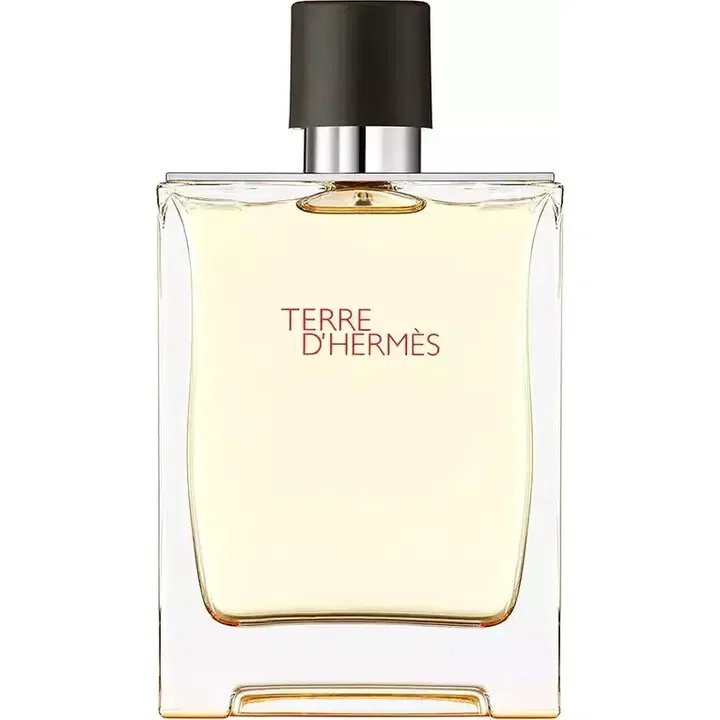
- Hermès: Terre d'Hermès (2006): a mineral, woody citrus that evokes earth and sky, showcasing his mastery of natural accords.
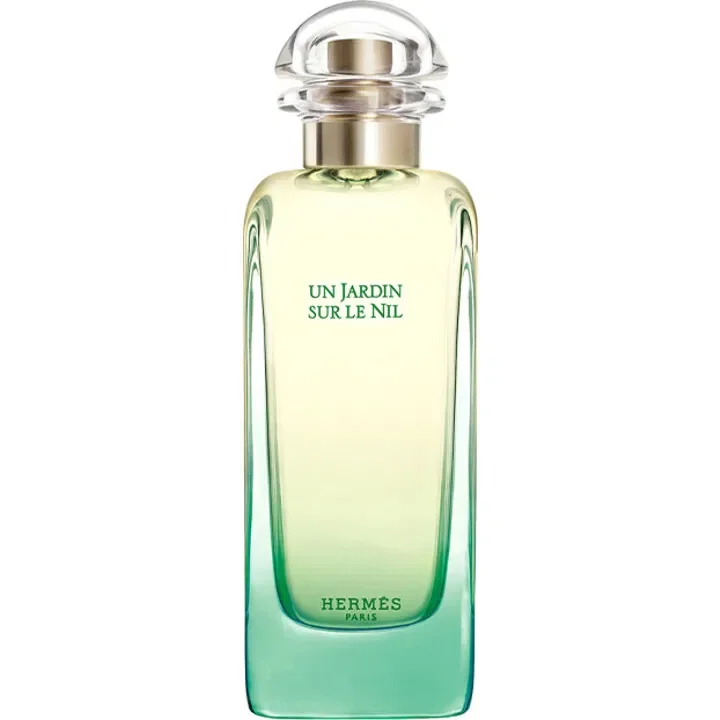
- Hermès: Un Jardin Sur Le Nil (2005): a fresh, green, fruity composition inspired by the gardens of the Nile, capturing vibrant freshness.
- The Different Company: Bois d'Iris (2000): an exquisite blend of iris and precious woods, a mark of his refined touch.
The Storyteller: Christine Nagel
The Modern Alchemist: For those drawn to fragrances that tell a complex story, rich with unexpected twists and a sophisticated, contemporary flair.
Vibe: Nagel is celebrated for her bold and innovative compositions, often exploring unexpected pairings and a more abstract, textured approach to perfumery. Her scents are known for their modern edge and emotional depth.
Notable Works:
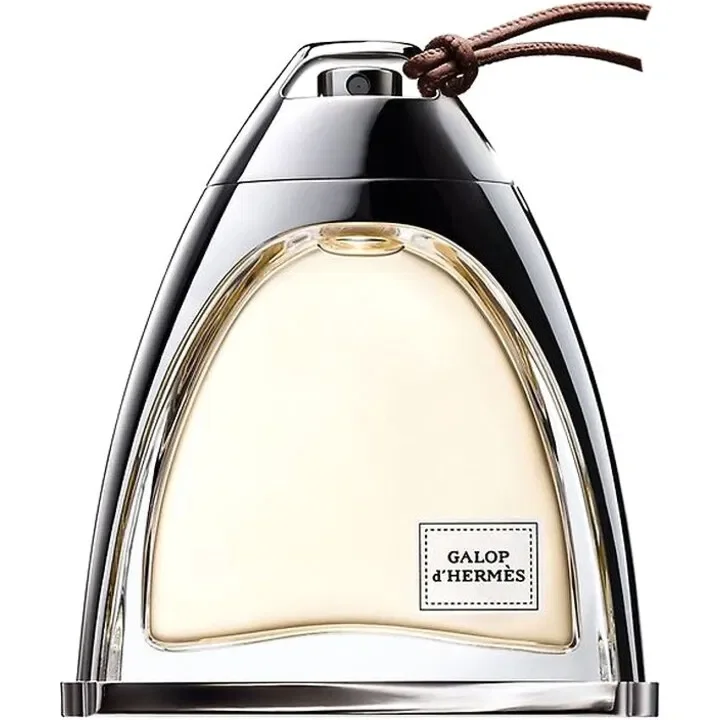
- Hermès: Galop d'Hermès (2016): a supple leather and rose composition, exploring a different facet of the house's equestrian heritage.
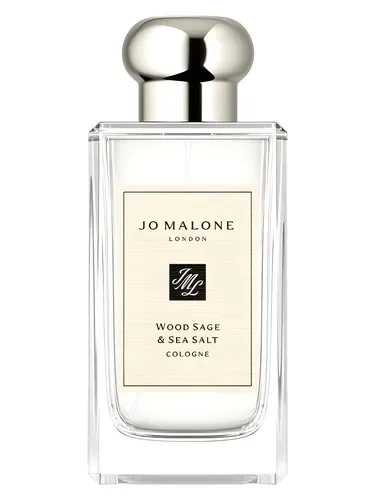
- Jo Malone London: Wood Sage & Sea Salt (2014): a fresh, mineral, woody aquatic that captures the essence of the British coastline.
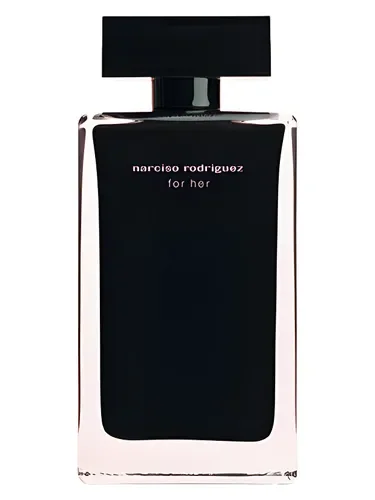
- Narciso Rodriguez: For Her (2003, co-created with Francis Kurkdjian): a groundbreaking modern musk that redefined feminine perfumery.
Architect of Modern Classics: François Demachy
The Custodian of Legacy: For those who seek fragrances with timeless elegance, a luxurious feel, and a nod to classic French perfumery, reinterpreted for the modern era.
Vibe: As the former in-house perfumer for Dior, Demachy is known for his sophisticated, often plush compositions that balance tradition with contemporary tastes. He excels at creating polished, luxurious scents that are both refined and approachable.
Notable Works:
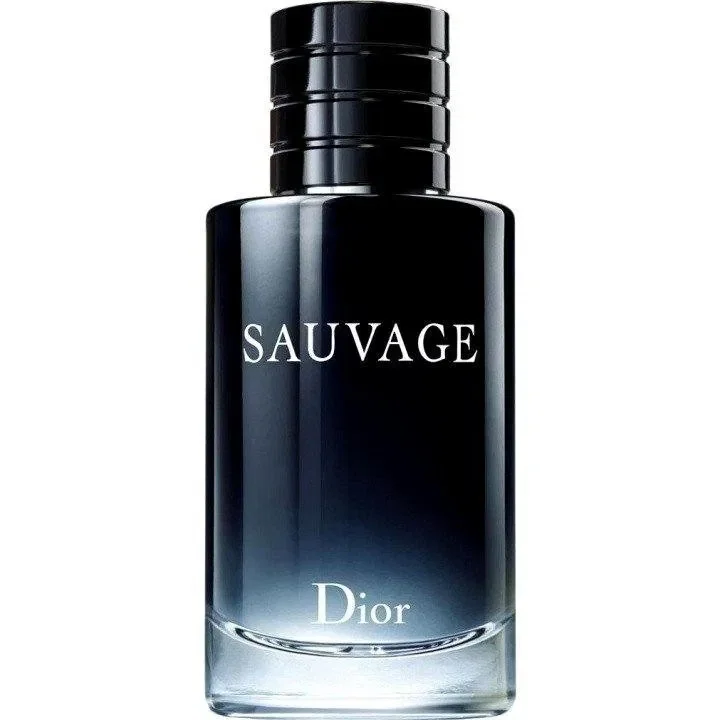
- Dior: Sauvage (2015): a fresh, spicy, amber-woody scent that became a global bestseller, showcasing modern masculine appeal.
- Dior: Miss Dior (various reformulations): maintaining the essence of a classic while adapting it for new generations.
- Dior: Homme (various reformulations): a modern classic with its distinctive iris note, known for its elegant, powdery woodiness.
The Visionary: Francis Kurkdjian
The Maestro of Sillage: For those who desire a fragrance that makes a memorable entrance and leaves an unforgettable, radiant trail.
Vibe: Kurkdjian is celebrated for his opulent, often very potent creations with incredible sillage and projection. His work is characterized by a modern elegance, an affinity for radiant accords, and a talent for crafting scents that are instantly recognizable. He is particularly adept at developing complex yet harmonious White Floral Bouquet Accords and rich Amber Accords.
Notable Works:
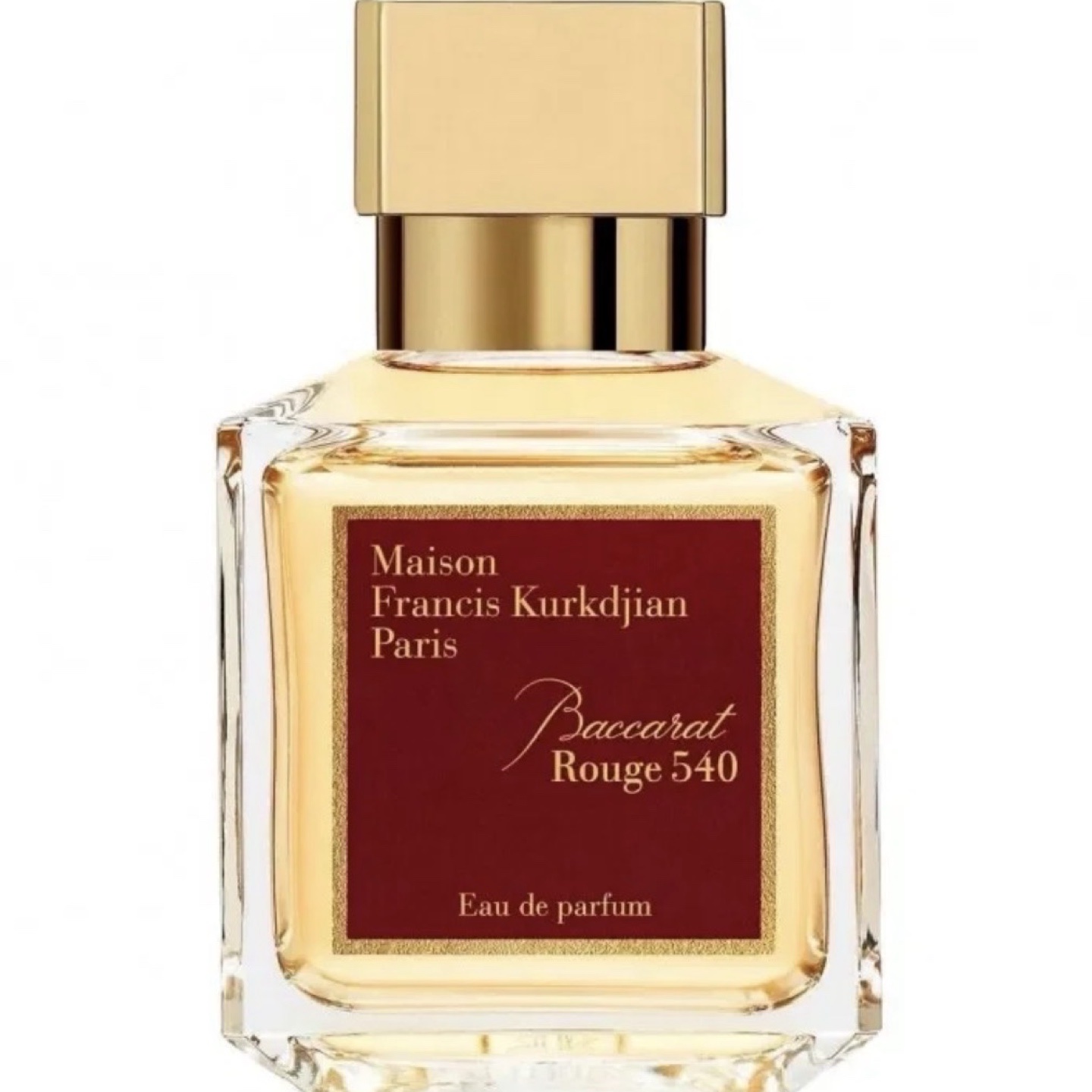
- Maison Francis Kurkdjian: Baccarat Rouge 540 (2015): a global phenomenon with its unique woody-amber-saffron signature.
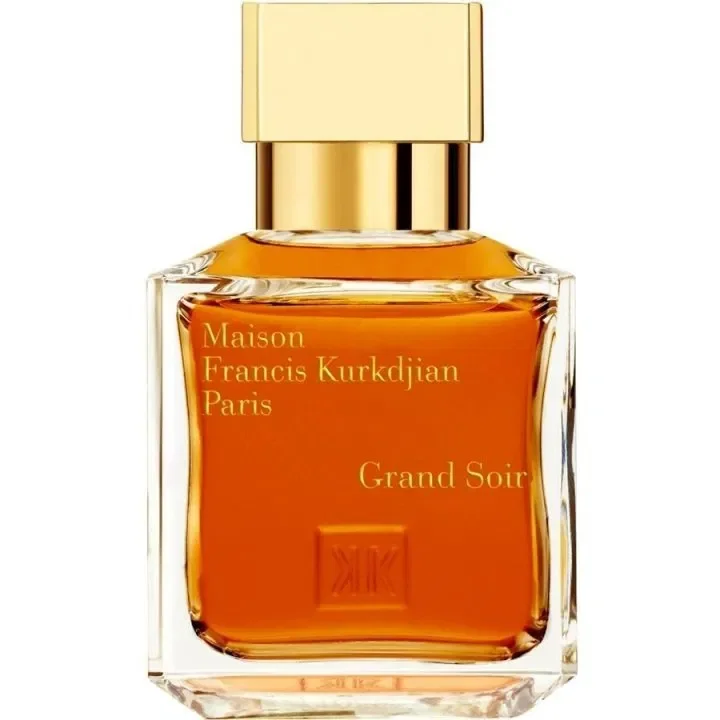
- Maison Francis Kurkdjian: Grand Soir (2016): a rich, warm, and luxurious amber fragrance perfect for elegant evenings.
- Jean Paul Gaultier: Le Male (1995): a revolutionary aromatic fougère that disrupted the men's fragrance market.
Pioneer of Molecular Artistry: Geza Schoen
The Conceptual Innovator: For those intrigued by the deconstruction of scent, unique molecular compositions, and a minimalist, avant-garde approach to fragrance.
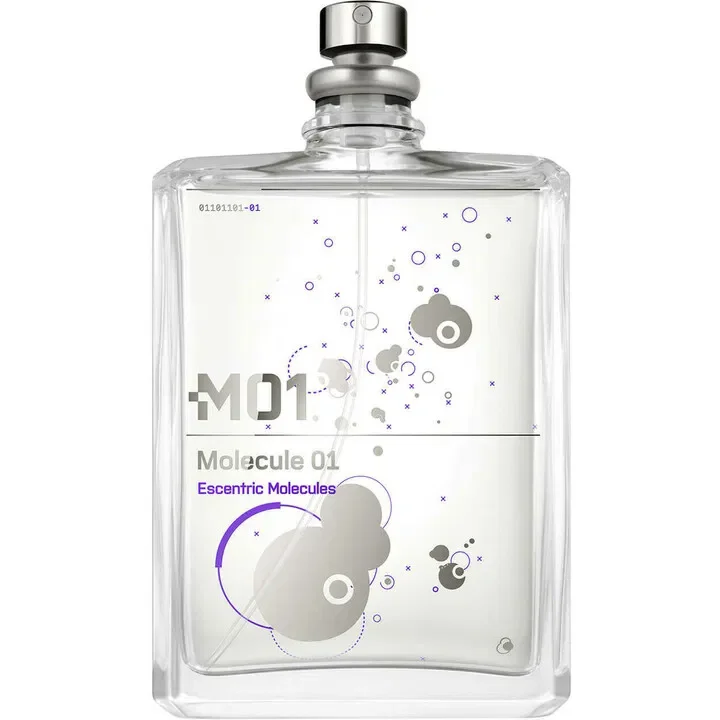
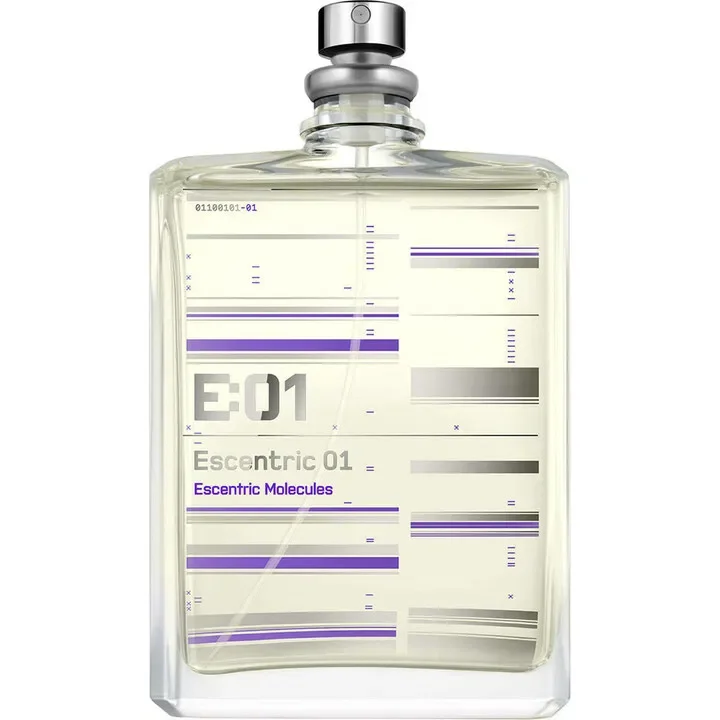
Vibe: Schoen is best known for his Escentric Molecules line, which focuses on single aroma molecules like Iso E Super. His work often plays with the idea of a "skin scent", fragrances that blend seamlessly with the wearer's natural aroma, creating something personal and subtly intriguing. He often incorporates Ambroxan Perfume Note and Iso E Super Perfume Note prominently.
Notable Works:
- Escentric Molecules: Molecule 01 (2006): centered solely on Iso E Super, known for its soft, woody, radiant effect.
- Escentric Molecules: Escentric 01 (2006): a composition built around Iso E Super, enhanced with other notes like pink pepper and lime.
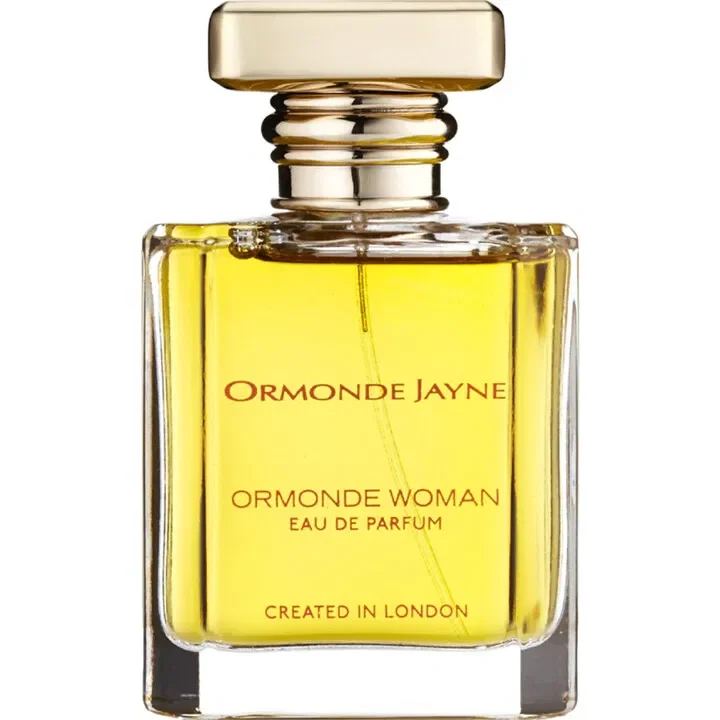
- Ormonde Jayne: Ormonde Woman (2002): a dark, woody, and green floral with notes of black hemlock and violet.
The Impact of Perfumers on Brand Identity
The "nose" is often the artistic core of a fragrance brand. Their vision can define the entire olfactive direction, establishing a consistent brand DNA in perfume. For instance, a perfumer known for their light, airy touch might create a collection of Clean Laundry Musk Accords, while another known for opulent blends might specialize in rich rose and oud pairings.
This is particularly true for in-house perfumers who dedicate their careers to a single maison, like Jacques Polge and Olivier Polge for Chanel, or Thierry Wasser for Guerlain. They ensure continuity, uphold the brand's heritage, and push its creative boundaries. However, freelance perfumers, working with various houses through companies like Givaudan, Firmenich, or IFF, also leave their distinctive mark, bringing fresh perspectives and diverse styles to the market. This dynamic between Designer vs Niche Perfume Differences and the perfumers involved highlights different creative freedoms and commercial pressures.
Freelance vs. In-House Noses: A Changing Landscape
Historically, many major perfume houses had dedicated in-house perfumers who were intimately woven into the fabric of the brand. Today, while some luxury houses still retain exclusive "noses," many brands (especially designer and indie) commission perfumes from large fragrance and flavor companies (FFCs) that employ a vast array of perfumers.
This shift allows for incredible diversity but can sometimes dilute the distinct perfumer's signature style across different brands. However, it also provides perfumers with opportunities to work on a wider range of projects and express their creativity in varied contexts. The rise of independent perfumers and direct-to-consumer niche brands further diversifies this landscape, allowing for even more personal and boundary-pushing creations. Learn more about the Distribution Models: Designer, Niche, Indie Differences and how they influence this.
Training Your Nose: Appreciating the Artistry
For enthusiasts, understanding the role of the perfumer can deepen your appreciation for fragrance. Just as an art lover learns to identify brushstrokes or a music lover recognizes composers, a fragrance connoisseur can begin to identify certain olfactive signatures.
This "nose training" involves working through the exercises in how to train your nose to recognize notes, comparing perfumes by the same perfumer, and journaling your scent experiences. The WhatScent app provides tools to help you keep a Perfume Journal, making it easier to track notes, performance, and your personal impressions, connecting you more deeply with the artistry behind the bottle.
How to Spot a Perfumer's Signature Yourself
Recognising a nose by smell alone is a learnable skill, and it needs nothing but samples and patience. Here is a way to work at it.
- Build a set of three by the same perfumer, across different houses. The brand brief changes, the hand does not. Wear them on consecutive days rather than side by side, so you are comparing memories of a whole wear rather than three openings at once.
- Write down the materials, not the impressions. Note which of the most important perfume notes keep reappearing: a particular citrus opening, an insistent musk, a familiar woody base. Recurring materials are the clearest fingerprint.
- Pay attention to structure and pacing. Some perfumers keep a composition transparent and let a single accord carry it. Others build in layers that turn over every hour. That architecture is often more distinctive than any one ingredient.
- Compare how the work behaves, not just how it smells. Some noses are known for "beast mode" projection, others for intimate skin scents. Sillage vs projection explained and what really affects perfume longevity are worth reading before you attribute a weak wear to the perfumer rather than to your own skin.
- Check yourself against the credits afterwards. Guess first, then look up who made it. Getting it wrong is the fastest way to work out which cue you were actually following.
Two pieces on the industry behind the names: who actually makes perfume explains the fragrance house system, and how to become a perfumer covers the route in.
Frequently Asked Questions (FAQs)
Q1: What is the primary role of a "nose" in perfumery?
A: The primary role of a "nose" (perfumer) is to compose fragrances. They translate abstract concepts, emotions, or brand briefs into a tangible olfactive product by expertly selecting and blending raw materials. This requires an exceptional sense of smell, extensive knowledge of aroma chemistry, and a highly developed creative vision.
Q2: How can I find out who created my favorite perfume?
A: Information about a perfume's creator (the "nose") is often available on brand websites, in official press releases, or across the wider fragrance community. Sometimes, especially with older or niche fragrances, this information can be harder to find, but most major releases credit their perfumer.
Q3: Do perfumers only work for one brand?
A: No, it varies. Some perfumers are "in-house" and work exclusively for a single brand (e.g., Thierry Wasser for Guerlain, Mathilde Laurent for Cartier). Many others are "freelance" or work for large fragrance houses (like Givaudan or Firmenich), creating scents for multiple brands across various designers and niches.
Q4: How do perfumers train their noses?
A: Perfumers undergo years of intensive training, often starting in specialized schools (like ISIPCA in France) or through apprenticeships with master perfumers. This training involves memorizing thousands of raw materials, understanding their chemical properties and interactions, and practicing composition endlessly. It's a continuous learning process that refines their olfactory memory and creative blending skills, and a scaled-down version of it is what our guide to training your nose to recognize notes sets out for enthusiasts.
Q5: What is a "signature style" for a perfumer?
A: A perfumer's "signature style" refers to recurring olfactive characteristics, preferences for certain notes or accords, or a distinctive compositional approach that can be observed across their creations. For example, some might favor transparent musks, others bold gourmands, or a specific woody structure. Recognizing these styles can help enthusiasts identify the "hand" of a perfumer in different scents.
Conclusion
The world of fragrance is undeniably enriched by the extraordinary talent of brand perfumers, the unsung heroes who transform raw materials into wearable art. Their signature styles and notable works not only define the character of countless perfumes but also contribute to the rich range of scent history. From the subtle elegance of a minimalist master to the opulent grandeur of a sillage maestro, each "nose" brings a unique perspective that resonates with us on a deeply personal level.
By recognizing the artistry and dedication behind the bottle, we elevate our own fragrance journey. The next time you experience a scent that moves you, take a moment to consider the creative mind that brought it to life. Ready to connect more deeply with the world of perfumery? Get free early access to the WhatScent app to explore perfumer profiles, discover new scents, and journal your own experiences, becoming a more informed and appreciative fragrance connoisseur. Your personal olfactive library awaits!