If you have ever smelled an old bottle of something classic and thought there is a depth here that new perfumes do not have, you were probably smelling oakmoss.
It is not a wood, not a flower and not, strictly speaking, a moss. It is a lichen, harvested from tree bark, and its extract smells like the floor of a forest after rain: damp, inky, green-black, faintly leathery and slightly bitter. For most of the twentieth century it was the structural foundation of two enormous fragrance families, and then it was restricted for safety reasons, and perfumery has spent the last two decades working around the gap.
Key Takeaways
- Oakmoss is a lichen, not a moss. Evernia prunastri, harvested from oak and other trees.
- It smells like damp earth and old books. Inky, green-black, faintly leathery, with a bitter edge.
- It built the chypre and the fougère. Two of the most important structures in all of perfumery.
- It is restricted, not banned. Allergenic components are the reason, and low-allergen versions exist.
- Modern perfumes rebuild the effect. Usually with patchouli, vetiver and synthetic mossy materials in combination.
Table of Contents
- What oakmoss actually is
- What oakmoss smells like
- Why it built the chypre and the fougère
- Why oakmoss is restricted
- What perfumers use instead
- How oakmoss pairs
- Fragrances where you can still smell the idea
- Frequently Asked Questions
- Conclusion
Discover Your Next Signature Fragrance
Join a community of fragrance lovers. Honest reviews, scent stories and discovery shaped by people with your taste. Get access to the app today.
Live now • Free • Public launch 2026
What oakmoss actually is
Oakmoss is Evernia prunastri, a pale grey-green lichen that grows on the bark of oak and other trees, particularly in temperate European forests. Lichens are not plants. They are a partnership between a fungus and an alga, which is a good early warning that this material is not going to behave like anything else in the perfumer's palette.
It is harvested, dried, and processed by solvent extraction into a concrete and then an absolute. A closely related material, treemoss from Evernia furfuracea, is often used alongside or instead of it and has its own slightly different profile, generally drier and more tar-like.
Historically much of the supply came from central and southern Europe and from North Africa. Because lichens grow slowly and are sensitive to air quality, this is not a material you can simply farm harder.
What oakmoss smells like
Hard to describe from first principles because there is nothing else quite like it.
Damp earth. Not soil exactly. The layer of decomposing leaves and moss above the soil.
Inky and green-black. There is a genuinely dark quality to it, closer to ink or wet slate than to anything vegetal.
Faintly leathery. A dry, tannic edge that lets it sit comfortably next to leather notes.
Bitter. A real bitterness, which is the part that makes it so useful. It cuts sweetness like nothing else.
Old paper and cellars. Many people read it as the smell of an old bookshop or a stone cellar, which is why classic chypres feel a little antique even when they are new.
The nearest relatives in the modern palette are vetiver for the earthy dryness and patchouli for the damp darkness, though neither has the ink or the bitterness.
Why it built the chypre and the fougère
Two of the most durable architectural templates in perfumery rest directly on this one material.
The chypre. Bright citrus at the top, usually bergamot, over a base of oakmoss, labdanum and patchouli. The tension between the sparkling top and the dark mossy floor is the entire idea. François Coty's 1917 composition gave the family its name, and everything from classic feminine chypres to modern woody chypres works from that skeleton. See the chypre accord and the chypre family.
The fougère. Lavender over coumarin with a mossy base, invented in 1882 and still the underlying structure of most classic masculine fragrance. Barbershop, clean, aromatic, and grounded by moss. See the fougère accord and the fougère family.
What oakmoss contributed to both was the floor. It gave a fragrance somewhere to stand, a dark base that made the bright top notes read as bright by contrast. Remove it and the whole structure floats.
That is why so many people describe reformulated classics as thin or hollow. It is frequently not imagination. The floor was taken out.
Why oakmoss is restricted
Not for environmental reasons and not because of any conspiracy. Because of skin sensitisation.
Oakmoss extract contains atranol and chloroatranol, compounds identified as significant contact allergens. Following safety assessments, the International Fragrance Association issued standards that severely limit the permitted level of oakmoss and treemoss in finished fragrance.
Three things follow.
Classic formulas had to change. Any fragrance built on oakmoss at historic levels needed reworking to comply. This is one of the most common reasons a beloved classic no longer smells the way it did. Why perfumes get reformulated covers the broader picture.
Low-atranol versions were developed. Suppliers produce oakmoss extracts with the problem compounds substantially reduced, which can be used at higher levels. They are useful and not identical, since removing components changes the smell.
It is a restriction, not a ban. Oakmoss still appears in modern perfumery within permitted limits. It simply cannot dominate a formula the way it once did.
For the rules themselves, IFRA standards explained and fragrance allergens and sensitisers are the plain language versions. If you react to fragrance generally, allergen labelling and patch testing is the practical starting point.
What perfumers use instead
Rebuilding the mossy floor is one of the standing technical problems of contemporary perfumery. The usual approach is a combination rather than a single substitute.
| Material | What it contributes | What it misses |
|---|---|---|
| Low-atranol oakmoss | The genuine article at reduced levels | Cannot carry a formula alone the way full-strength material did |
| Patchouli | Damp, dark, earthy depth | Sweeter and more camphorous, no ink or bitterness |
| Vetiver | Dry earth and rooty bitterness | Cleaner and greener, less shadow |
| Synthetic mossy materials | Consistent green-mineral effect | Flatter, less complex than the natural |
| Clearwood-type patchouli fractions | Modern, transparent woody-earthy tone | Deliberately clean, which is the opposite of the point |
| Labdanum | Warm leathery resin, part of the classic base | Warmth rather than damp |
The best modern chypres do this well enough that most people never notice. Something is genuinely different, though, and anyone who has smelled a vintage bottle alongside a current one can hear it immediately. Vintage perfume hunting is where that comparison usually starts, and rare and vintage perfumes covers doing it sensibly.
How oakmoss pairs
| Pairs with | Result |
|---|---|
| Bergamot | The chypre backbone. Bright over dark, the oldest good idea in the family |
| Lavender and coumarin | The fougère structure. Clean and aromatic over damp depth |
| Labdanum | Warm leathery resin against cold damp moss |
| Patchouli | Doubles the earth, creating real weight |
| Rose and jasmine | The floral chypre. Flowers given a shadow to stand against |
| Leather | Natural allies. Both dry, both tannic |
Seasonally it belongs to autumn and cool weather, though a well built citrus chypre works surprisingly well in heat because the bitterness reads as refreshing rather than heavy.
Fragrances where you can still smell the idea
Worth saying plainly: what follows are current formulations, which means the moss is present within modern limits rather than at historic levels.
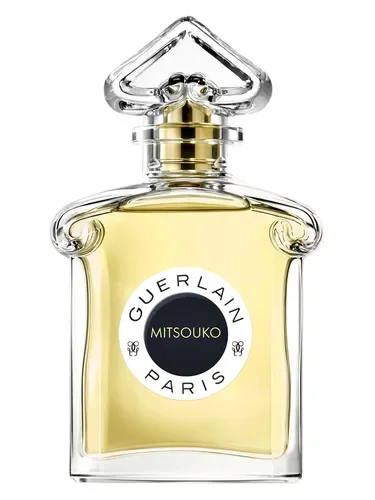
Guerlain Mitsouko. The reference chypre, built on bergamot, peach and a mossy base. Even reformulated it remains the clearest illustration of what the structure is for. It is not an easy fragrance and it rewards patience.
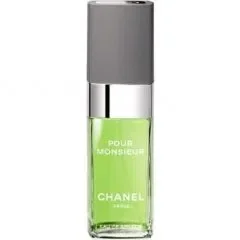
Chanel Pour Monsieur. A citrus chypre for men that shows how bright the top of this structure can be while still standing on something dark.
Paco Rabanne Pour Homme. A classic fougère with a green, herbal, mossy character, and one of the most instructive introductions to the family.
Aramis. Leather, herbs and moss in a dense arrangement that makes the leather and moss relationship obvious.
For the modern reinterpretations, the chypre floral and chypre fruity subfamilies are where most current work sits, and the earthy vetiver accord is the closest thing to a modern substitute you can shop for directly.
In WhatScent you can open oakmoss in the notes explorer and see every perfume in the catalog carrying it, which is the fastest way to find the current compositions that still commit to the idea.
Frequently Asked Questions
Q1: What does oakmoss smell like?
A: Damp forest floor: earthy, inky and green-black, with a dry leathery edge and a distinct bitterness. Many people also read it as old paper, stone cellars or an antique bookshop. It is dark rather than green in the way cut grass is green.
Q2: Why is oakmoss banned in perfume?
A: It is restricted rather than banned. Oakmoss extract contains atranol and chloroatranol, which are significant contact allergens, so permitted levels in finished fragrance are strictly limited. Low-allergen versions of the extract are available and widely used.
Q3: Is oakmoss a moss?
A: No. Oakmoss is a lichen, Evernia prunastri, which is a partnership between a fungus and an alga. It grows on the bark of oak and other trees, mainly in temperate forests, and is harvested and extracted with solvents rather than distilled.
Q4: What can replace oakmoss in a fragrance?
A: No single material replaces it. Perfumers typically combine low-atranol oakmoss with patchouli, vetiver, labdanum and synthetic mossy materials to rebuild the effect. The result can be very convincing, though the natural's ink and bitterness are difficult to reproduce exactly.
Q5: Why do old perfumes smell different now?
A: Restrictions on materials such as oakmoss are one of the main reasons. Supply changes, cost decisions and improved substitutes also contribute. A fragrance is a formula that gets edited over its life rather than a fixed object.
Conclusion
Oakmoss is the clearest example in perfumery of a single material carrying an entire aesthetic. Two great families were built on the smell of damp lichen scraped off a tree, and when it had to be limited for good safety reasons, the industry discovered how much of its own history rested on one ingredient.
Get free early access to WhatScent on iPhone or Android, open oakmoss in the notes explorer, and go and smell what a proper floor does to a fragrance.