Nobody compliments your perfume, most of the time, because the people around you cannot smell it. Two sprays on cool wrists, dry skin that lets the scent fade by mid-morning, or a quiet skin scent such as Glossier You will all stay inside your personal space, and your own nose stops registering a perfume within minutes, so you cannot tell how little is reaching anyone else.
Only one of the nine reasons below is that the perfume is wrong for you. The rest are about dose, placement, skin, timing and the kind of perfume you chose, and most take a day to fix. Each reason comes with a concrete fix and, where it helps, real perfumes that show the difference.
Key Takeaways
- Move your sprays off the wrists. Neck, chest and clothing reach other people; wrists mostly reach you.
- Moisturise before you spray. Dry skin is the most common physical reason a perfume vanishes early.
- Check what kind of perfume it is. Skin scents are built to stay close; no technique turns them into a trail.
- Ask one honest person. Your nose adapts within minutes, so it cannot judge your own strength.
- Familiar beats interesting for compliments. People remark on scents they recognise.
Quick diagnosis
Find the line that sounds like you, then jump to that reason.
| What you notice | Most likely reason | First fix |
|---|---|---|
| You spray two or three times on the wrists | Dose and placement | Same sprays on neck, chest and a collar |
| It seems gone by lunchtime | Dry skin | Unscented moisturiser first |
| It is soft, musky or "smells like skin" | It is a skin scent | Choose a perfume with more reach |
| You stop smelling it after ten minutes | Nose blindness | Ask someone how strong it is |
| It is unusual, smoky or very niche | It is unfamiliar | Accept it, or wear a crowd-pleaser |
| You get comments at parties but never at work | Your setting | Nothing to fix |
| You spray at 7 and meet people at 11 | Timing | Spray closer to the moment, carry a mini |
| Your shampoo, deodorant and laundry are scented | Competing scents | Go unscented underneath |
| People can smell it but say nothing kind | It does not suit you | Ask whether it smells good on you |
Table of Contents
- You wear too little, in the wrong place
- Dry skin lets it fade early
- It is a skin scent built to stay close
- Your nose has stopped noticing it
- People do not recognise it
- The people around you do not comment
- People only meet the drydown
- Other scented products drown it
- It does not work on your skin
- Perfumes that reach people vs perfumes that stay close
- A one-week test to find out why
- Frequently Asked Questions
- What to do next
Discover Your Next Signature Fragrance
Join a community of fragrance lovers. Honest reviews, scent stories and discovery shaped by people with your taste. Get access to the app today.
Live now • Free • Public launch 2026
1. You wear too little, in the wrong place
This is the answer most of the time. Two sprays on the wrists barely reach anyone, because wrists are cool, exposed and constantly waving through the air, so the perfume evaporates and disperses away from the people you are talking to.
Warmer, covered spots carry further. The sides of the neck, the base of the throat, the chest and the inner elbows hold heat and sit closer to another person's nose.
Clothing holds scent far longer than skin. One spray on a scarf, a collar or a jacket lining is the most reliable way to leave a faint trail. Test on a hidden patch first, since some perfumes mark pale fabric. Where to spray perfume compares skin, clothes and hair.
A workable starting dose for an Eau de Parfum is three to four sprays: one on each side of the neck, one on the chest and one on clothing. For a light Eau de Toilette or cologne, add one or two more. The fix is rarely ten sprays; it is the same few sprays in better places. How to apply perfume properly covers the full routine.
2. Dry skin lets it fade early
Dry skin is the most common physical reason a perfume disappears early. Perfume needs a little oil and moisture to cling to, and on dry skin the lighter materials evaporate faster, so many wearers with dry skin find the same bottle fades hours sooner on them than on a friend.
The fix takes thirty seconds: apply an unscented moisturiser or a plain oil where you will spray, let it sink in for a minute, then spray. Skin prep for longevity explains which bases work best, and what affects perfume longevity covers the other levers.
Season matters too. Cold air slows evaporation, so less scent rises off your skin, and central heating dries skin further. That is why a fresh perfume that fills a room in July can feel absent in January, as why light scents struggle in winter explains.
3. It is a skin scent built to stay close
Some perfumes are designed to be smelled only up close, and they are doing exactly what they were made to do. Soft musks, transparent ambers and airy woods are composed for someone leaning in, not for a room.
Three well-known examples:
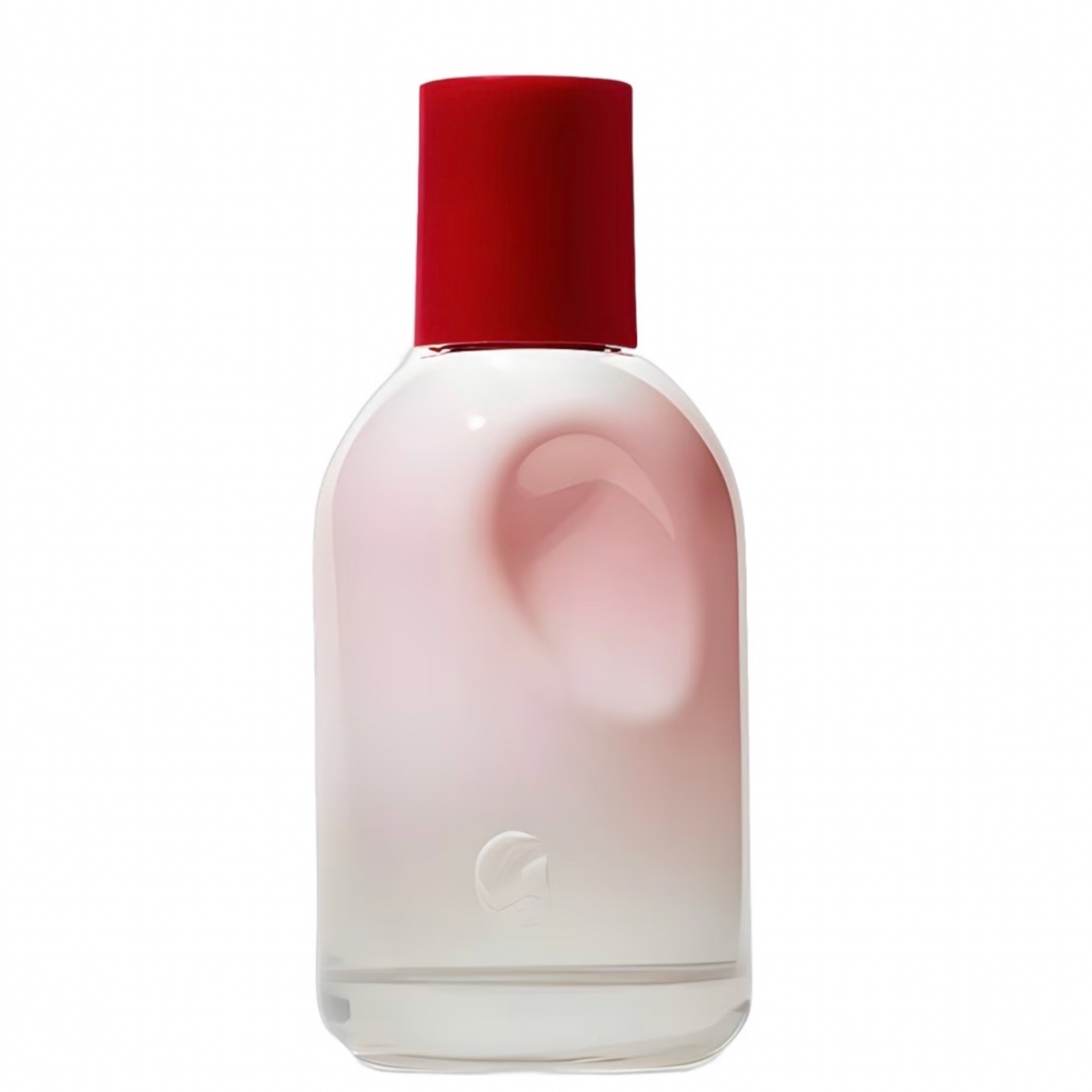
- You by Glossier (Eau de Parfum, 2017): the house lists pink pepper, iris, ambrette and ambrox. It smells like warm, slightly powdery skin and is meant to.
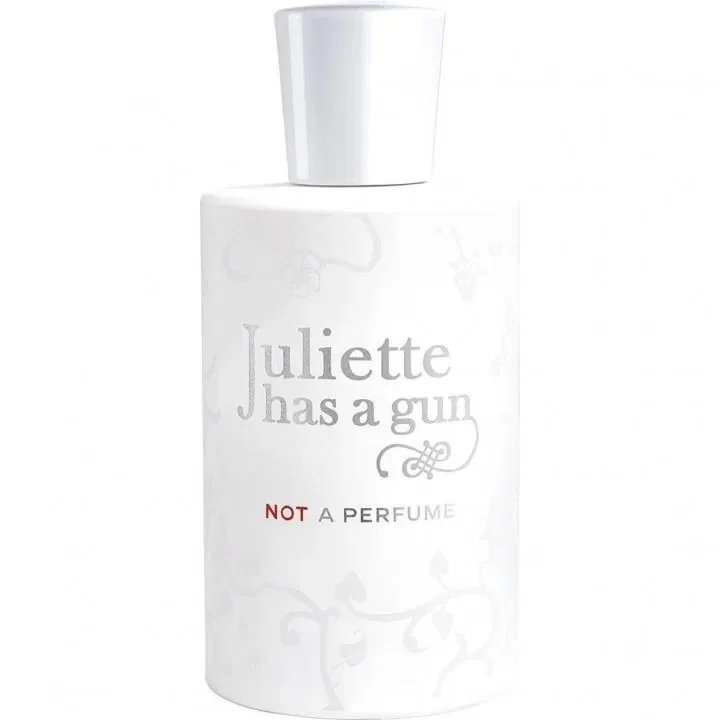
- Not A Perfume by Juliette Has a Gun (Eau de Parfum, 2010): built around a single ambergris-type molecule, Cetalox. Clean, woody and soft.
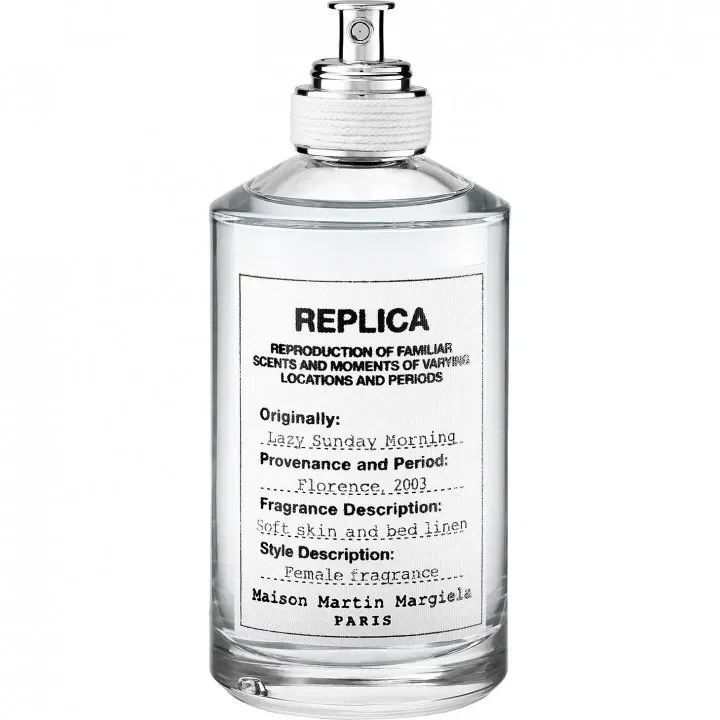
- Lazy Sunday Morning by Maison Margiela (Replica, Eau de Toilette, 2013): aldehydes, pear and lily of the valley over iris and white musks, like fresh sheets.
If you love a skin scent, this is not a problem to solve. Its appeal is that people only notice it when they come close, which why skin scents are so popular explains. If you want to be noticed from a metre away, you need a different bottle, not a different technique; the table further down shows what that looks like.
4. Your nose has stopped noticing it
Your own nose is the worst judge of how strong your perfume is. Olfactory adaptation means the brain turns down a constant smell within minutes so it can stay alert to new ones, while everyone who walks up to you smells it fresh. "I can barely smell it" says nothing about what others experience. Nose blindness explained covers the mechanism.
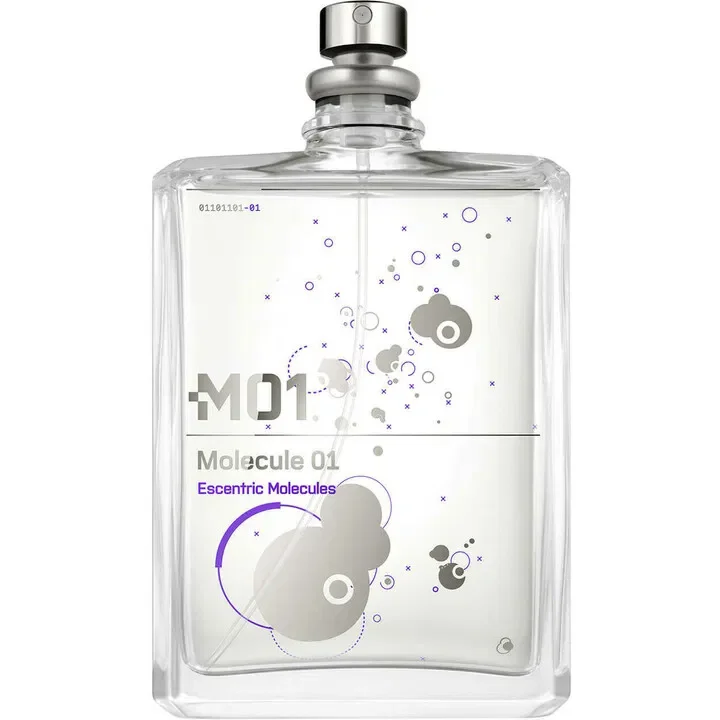
Some people also have a specific anosmia: they cannot detect a particular molecule at all, most often one of the large musks or woody-amber materials used in modern bases. Molecule 01 by Escentric Molecules (Eau de Toilette, 2006) is the classic case, since it contains only one material, Iso E Super, and many wearers say they can hardly smell it on themselves while people nearby can. Why people smell things differently explains why noses vary so much.
The fix is simple: ask one person you trust, once, how strong it is at a normal conversation distance. It recalibrates you for every bottle you own.
5. People do not recognise it
People compliment what they can place. A perfume that smells familiar, warm or "expensive" gets remarked on; one that is genuinely unusual is often registered as interesting rather than pleasant, which produces silence.
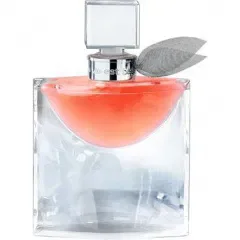
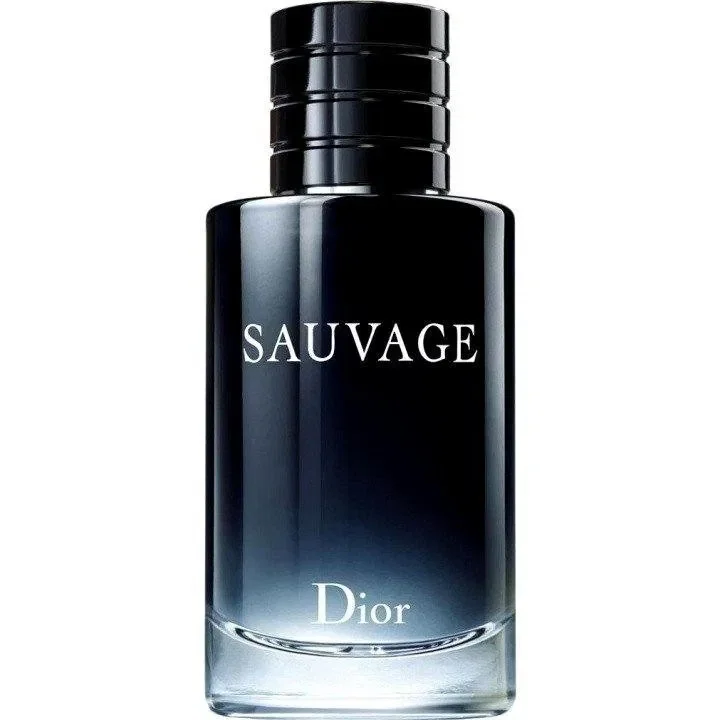
That is why widely worn perfumes collect a large share of compliments. La Vie Est Belle by Lancôme (Eau de Parfum, 2012), a sweet iris, praline and vanilla scent, has been the best-selling women's perfume in France's selective market year after year according to the market researcher Circana, so many people already know and like it. Sauvage by Dior (Eau de Toilette, 2015), a peppery bergamot and ambroxan fresh scent, plays the same role in men's fragrance.
If compliments matter to you, wearing something recognisable is the efficient route, and the best everyday compliment getters is the practical list. If you wear a smoky incense or a medicinal leather because you love it, silence is the price, and it is a perfectly reasonable trade.
6. The people around you do not comment
Some offices, families and friend groups simply do not remark on personal things, however good you smell. Before blaming the perfume, wear it somewhere different: if it gets comments at a dinner and none at work, the perfume is fine and the office is quiet.
Many workplaces also expect a softer scent, and people who notice it may say nothing out of politeness. Sillage etiquette at work and in public covers how far is too far.
7. People only meet the drydown
A perfume is usually at its most noticeable in the first hour, and most of your encounters happen later. If you spray at seven and your first real conversation is at eleven, people meet the quieter drydown, not the bright opening you smelled in the bathroom.
Two adjustments help. Apply closer to when you will be around people, and carry a small travel spray or decant to refresh before a meeting or an evening out. Decants vs travel sizes vs rollerballs compares the formats.
8. Other scented products drown it
Scented shower gel, deodorant, hair products, laundry detergent and fabric conditioner can blur together with your perfume into a generically pleasant cloud that nobody identifies as a perfume.
Switch the supporting cast to unscented, or match it on purpose: a body lotion from the same line, or a plain vanilla or musk lotion under a sweet perfume, reinforces the scent instead of competing with it. Layering shower gel and lotion with your perfume shows how.
9. It does not work on your skin
This is the least likely reason and the one people assume first. Skin can shift the balance of a perfume a little: some wearers find certain sweet or citrus perfumes go sour, sharp or flat on them. Skin chemistry and scent explains what actually varies.
The test is to ask a different question. Not "can you smell it?" but "does it smell good on me?". Those are separate questions, and only the second one answers this.
Perfumes that reach people vs perfumes that stay close
Perfumes that tend to get noticed share a few traits: warm sweetness or a familiar fresh profile, enough projection to reach someone standing near you, and good staying power. Perfumes that stay close are usually soft musks, sheer woods and transparent ambers. Wearer reports vary with skin and dose, so treat this as a guide, not a guarantee.
| If you want... | Try | Why it reaches people (or doesn't) |
|---|---|---|
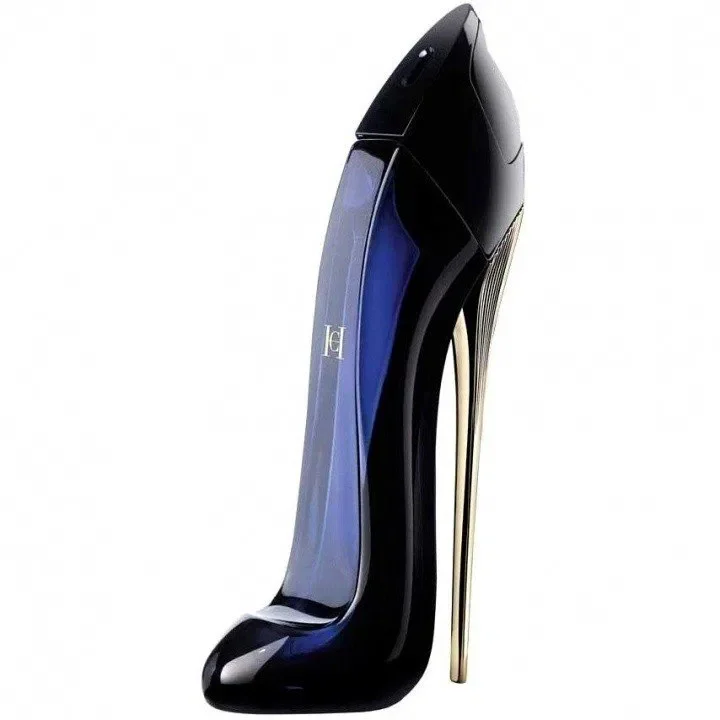
| A sweet trail people recognise | La Vie Est Belle (Lancôme), Good Girl (Carolina Herrera, EDP, 2016) | Praline, tonka and white florals are familiar and project well |
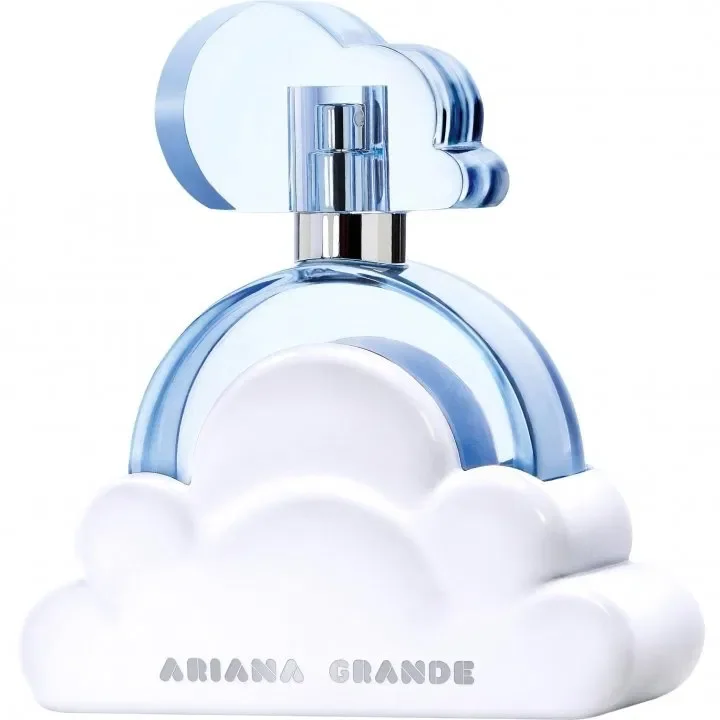
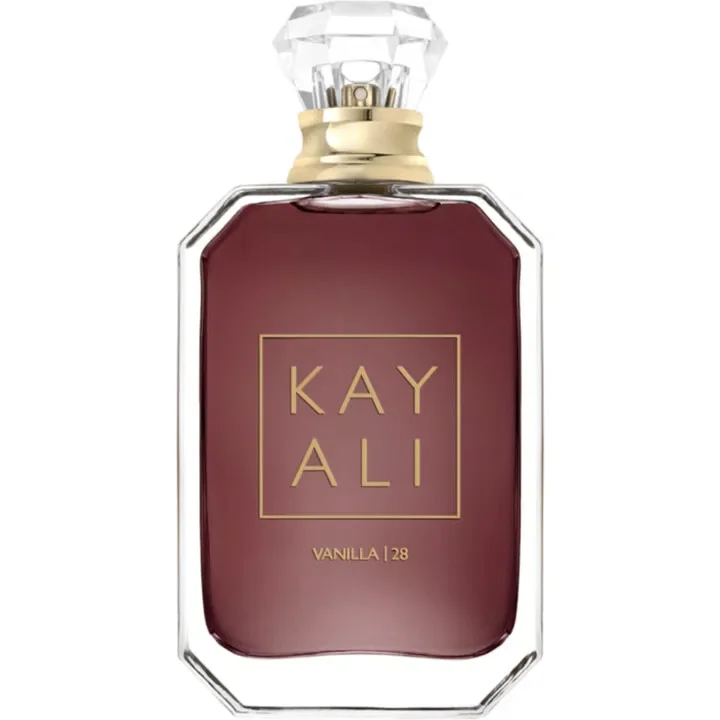
| A cosy, edible vanilla | Cloud (Ariana Grande, EDP, 2018), Vanilla 28 (Kayali, EDP, 2018) | Creamy sugar and vanilla read as comforting at a distance |
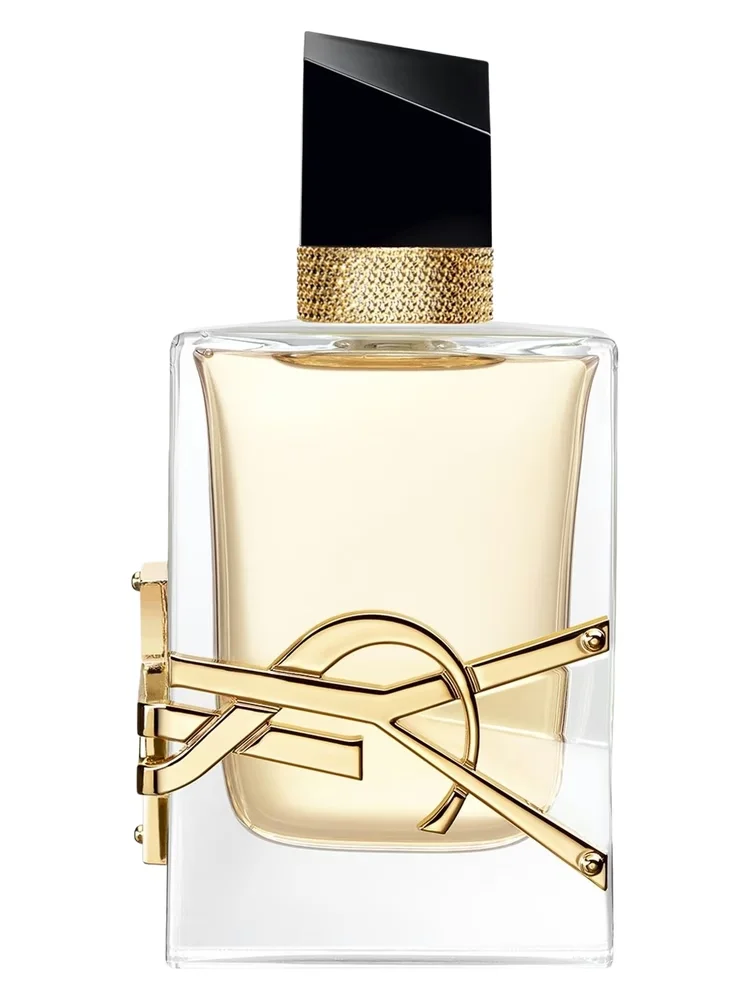
| A fresh scent with reach | Sauvage (Dior, EDT), Libre (Yves Saint Laurent, EDP, 2019) | Bright tops over a strong ambery or vanilla base that carries |
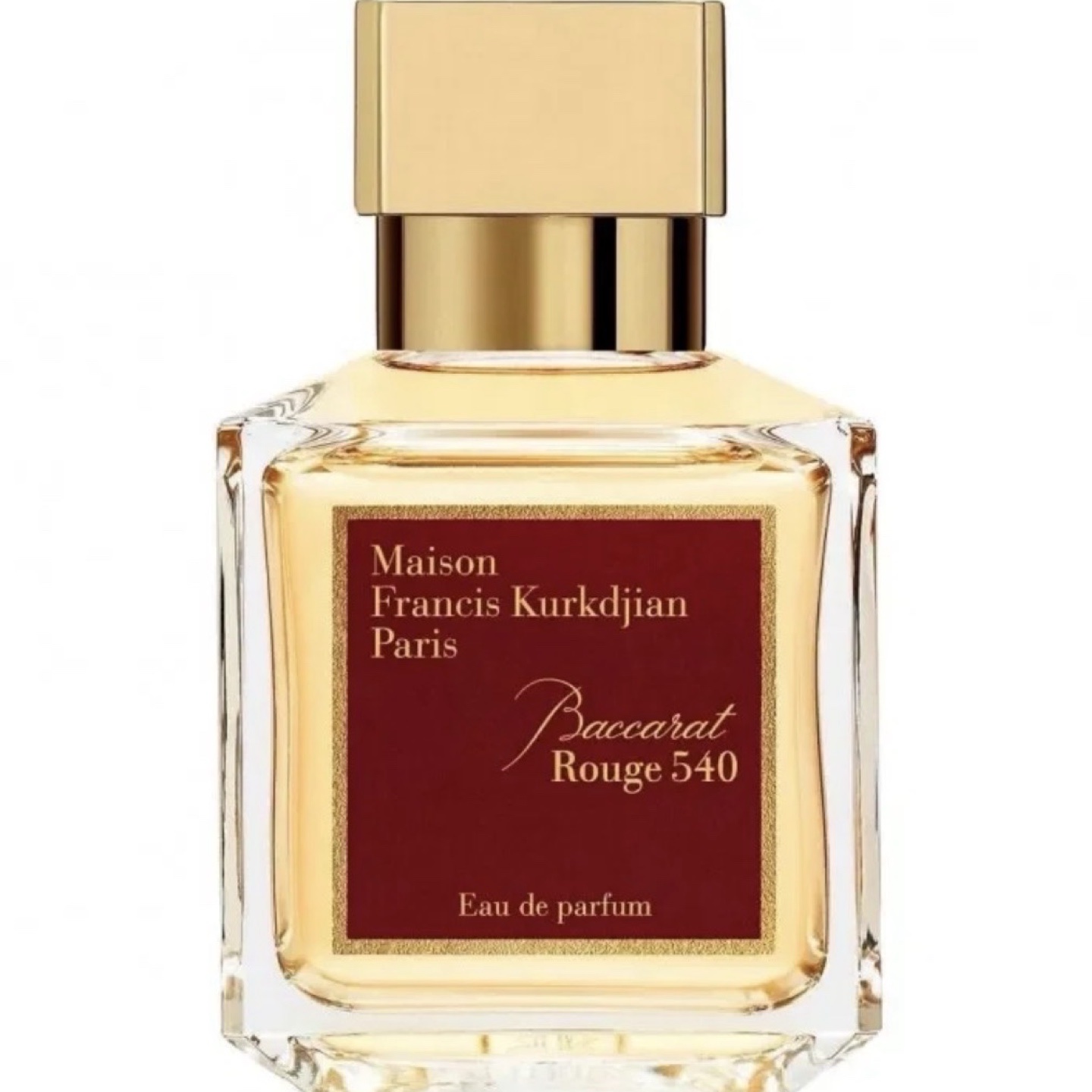
| The airy "what is that?" effect | Baccarat Rouge 540 (Maison Francis Kurkdjian, EDP, 2015) | Saffron and an ambergris accord that many wearers say lingers in a room |
| Something only close people notice | You (Glossier), Not A Perfume, Lazy Sunday Morning | Built as skin scents; expect few comments from a distance |
Each perfume's WhatScent page shows how the community rates its longevity and projection, which is a quick way to check whether a perfume you are considering is built to reach people before you buy it. For longer lists, the top compliment-getting perfumes of 2026 and the best long-lasting perfumes go further.
A one-week test to find out why
Guessing wastes bottles. Run this for one week with the perfume you think nobody notices.
- Days 1 and 2: change only placement. Same number of sprays, moved from wrists to neck, chest and a collar.
- Days 3 and 4: add moisturiser. Same placement, with an unscented lotion first.
- Day 5: ask one person how strong it is at conversation distance, at around hour three.
- Days 6 and 7: wear it somewhere social rather than only at work, and spray within an hour of seeing people.
- Write down each day what you changed and whether anyone said anything.
A Journal entry in WhatScent for each wear, with an occasion tag such as Work or Night out and a note when someone comments, gives you a pattern after a few weeks instead of a vague impression. Most people find the fix was placement or moisture, not the bottle.
Frequently Asked Questions
Q1: Why does nobody compliment my perfume?
A: Usually because people cannot smell it. Two sprays on the wrists, dry skin and soft skin scents all keep a perfume inside your personal space, and your own nose adapts within minutes, so you cannot tell. Spraying the neck, chest and clothing after moisturising fixes it for most people.
Q2: Why can I not smell my own perfume but others can?
A: Olfactory adaptation turns down a constant smell within minutes so your nose can stay alert to new ones, while everyone who meets you smells it fresh. Some people also cannot detect certain musk or woody-amber molecules at all, so a perfume built on them can be radiating while they smell almost nothing.
Q3: How do I make people notice my perfume?
A: Moisturise first with something unscented, spray three to four times on the neck, chest and a collar rather than the wrists, and apply closer to when you will see people. If the perfume is a skin scent, choose one with more projection, since technique cannot turn a close-wearing musk into a trail.
Q4: Do familiar perfumes get more compliments?
A: Yes, in general. People comment on scents they recognise, which is why widely worn perfumes such as La Vie Est Belle or Dior Sauvage collect so many compliments. Unusual niche scents are more often registered as interesting than as pleasant, so they get fewer comments even when they are excellent.
Q5: Is it rude to ask someone if they can smell my perfume?
A: Not if you ask one person you trust, once, and make it easy to answer honestly. Ask how strong it is at normal conversation distance and whether it smells good on you. Those two answers tell you more than months of silence.
What to do next
Run the one-week test with the perfume you think nobody notices and log each day in the WhatScent Journal, so you can see whether placement, moisture or timing made the difference. If it turns out to be a skin scent, the Fragrance Finder can point you to perfumes built like the ones you love but with more reach. WhatScent is free on iPhone and Android.
Related reads:
- Top compliment-getting perfumes of 2026 for the full list of crowd-pleasers
- Nose blindness explained for why you stop smelling your own perfume
- How to apply perfume properly for sprays, spots and timing