The best app to identify a perfume from a photo is WhatScent: its Bottle Scan reads the label text and the barcode on a bottle, from the live camera or from a picture already in your photo library, and takes you straight to that perfume's page. It handles several bottles in one frame, asks you to confirm a barcode match, keeps a private history of what you scanned, and adds the lot to your collection in one go.
WhatScent is a free fragrance app for iPhone and Android where you discover perfumes, log what you wear, and see your taste as a Scent DNA profile, with an active perfume community. This guide explains exactly what a fragrance scanner can and cannot do, how to get a clean read every time, the four situations where scanning saves the most time, and the one thing no scan will ever tell you: whether the bottle is genuine.
Key Takeaways
- A scan reads words, not smells. It identifies a bottle from its label text and barcode; with no readable label, there is nothing to identify.
- Light and framing decide most results. Face the label to the camera, fill the frame and use the flashlight in a dim room.
- Check the concentration before you confirm. Flankers often share a bottle and differ by one word on the label.
- Scanning is not authenticating. Counterfeits copy labels and barcodes, so a match tells you what the bottle claims to be.
- The fastest way to catalogue a shelf is to line bottles up label forward and scan several at once.
Table of Contents
- What is the best app to identify a perfume from a photo?
- How Bottle Scan works, step by step
- What a scan needs to work
- What a scan tells you, and what to check yourself
- Four ways scanning saves you time
- The flanker trap: why you confirm the match
- How to test any perfume scanner app
- Frequently Asked Questions
- What to do next
Discover Your Next Signature Fragrance
Join a community of fragrance lovers. Honest reviews, scent stories and discovery shaped by people with your taste. Get access to the app today.
Live now • Free • Public launch 2026
What is the best app to identify a perfume from a photo?
The best app for this job reads what is printed on the bottle, matches it to a catalogue that actually contains the perfume, and then does something useful with the result. Identification on its own is a party trick; the value is landing on a page that tells you how the perfume wears, and adding the bottle to your collection without typing its name.
That is how our app is built. Bottle Scan reads the label text and barcode on the phone, matches each bottle to the catalogue, and opens the perfume page, where you find the notes and accords, community ratings for longevity, projection, sillage, value and bottle, reviews labelled with when and where the perfume was worn, and a "When it gets worn" section for seasons, occasions and time of day. The catalogue is kept by an active community, so even very niche perfumes tend to be there when you scan them.
It works from what is printed on the bottle, the words and the barcode, which is why a clear, well-lit label gives the fastest match.
How Bottle Scan works, step by step
A scan takes a few seconds per bottle, and the steps are the same whether you use the camera or a saved photo.
- Choose your source. Point the camera at one or more bottles, or pick a photo from your library: a picture a friend sent, a shot you took of a shop shelf, an old photo of your grandmother's dressing table.
- The app reads the label and the barcode. It picks up the printed name and house, and the barcode where one is visible.
- Each bottle is matched to the catalogue. With several bottles in frame, each gets its own match.
- You confirm. Where the match comes from a barcode, you confirm it before it counts. Check the name and concentration here (more on why below).
- Add to your collection in one go. Confirmed bottles can go straight onto your collection together, instead of one search and one tap at a time.
- Find it again later. Every scan lands in a private scan history, so the bottle you scanned in a shop last Saturday is still there when you get home.
Once a bottle is in your collection, it is linked to its perfume page, so everything else in the app (the Journal, Shelves, Compare Fragrances, Scent DNA) works with it straight away.
What a scan needs to work
A scan needs one thing above all: a label it can read. If the camera cannot make out any text, because the room is dark, the picture is blurred or the label has no text on the visible side, the app says so and asks you to get closer, add light or switch on the flashlight.
Most failed reads come from the same handful of causes, and each has a quick fix.
| Problem | Why it fails | What to do |
|---|---|---|
| Dim room | Printed text loses contrast | Turn on the flashlight or move to a window |
| Glare on glass or foil lettering | Reflections hide the letters | Tilt the bottle slightly so the reflection moves off the label |
| Bottle too small in frame | The text is too few pixels to read | Move closer until the label fills most of the screen |
| Name printed on the back or the cap | The front shows only a logo | Turn the bottle to the side with the most text |
| Clear lettering on clear glass | Text disappears against the background | Hold a plain sheet of paper behind the bottle |
| Worn or peeling label | Letters are missing | Try the barcode on the box or on a sticker under the bottle, or search by name |
For a whole shelf, set the bottles out in a row with their labels facing you and even light across them. A tidy line of three or four bottles reads more reliably than a crowded cluster where labels overlap.
What a scan tells you, and what to check yourself
A scan tells you what a bottle says it is. Three things stay in your hands.
Decants and samples: label them, then search. A decant, a sample vial with a handwritten sticker or an unlabelled travel atomiser gives the camera nothing to work with. Label your decants yourself when you fill them (decanting and labelling covers how), and add them by searching for the perfume.
How it smells today is a job for your nose. No scan can tell you whether a perfume has turned, whether a bottle was refilled, or what a mystery liquid in a plain flacon is. Only your nose, and a patient test on skin, can do that.
Whether a bottle is genuine is a separate check. Counterfeiters copy labels, fonts and barcodes precisely because shoppers check them, so a clean scan of a fake matches the real perfume's page. A match tells you what the bottle claims to be; whether it is telling the truth is a separate check. Our guide to spotting fake perfume walks through packaging, cellophane, sprayer, batch code and seller, and perfume batch codes explained shows how to read the code on the base.
Four ways scanning saves you time
Scanning pays off most in four situations, each of which used to mean typing a long name on a small keyboard.
Identify a gift or an inherited bottle
Someone hands you a bottle without its box, or you find one at the back of a relative's cabinet with a label in a script you do not read. Scan it, and the perfume page tells you what it is, how the community rates its longevity, and when people tend to wear it. If you are the one giving, a photo of the recipient's shelf, scanned from your library, tells you what they already own before you buy; how to give perfume as a gift takes it from there.
Catalogue a whole collection fast
This is where scanning several bottles at once earns its keep. Clear a table, line up four bottles label forward, scan, confirm each match and add them together; then the next four. A collection of forty bottles becomes an evening's work rather than a weekend's typing. Once they are in, the collector's guide covers shelf schemes that hold up as a collection grows, and the fragrance tracking guide covers logging what you wear from it.
Check a bottle in a shop
A tester on the counter, a spray on your wrist, and five minutes before you decide. Scan the tester to open its page without hunting for the exact flanker name, read how wearers rate its longevity and projection, check its Perfume Fit against your taste, and add it to your Wishlist if you want to sleep on it. The scan history keeps every bottle you looked at, so you can compare them properly at home.
Identify a vintage bottle
Old bottles are exactly the ones people most want to identify, and the ones with the most caveats. Many vintage bottles carry no barcode, and labels fade or peel, so a clear read of the printed name is the best route; if the label is too worn, search by what you can read. A match names the perfume, not the decade: the same name may cover several formulations, so the page describes the perfume as the community knows it. Vintage perfume hunting and identifying reformulations help you work out which version you are holding.
The flanker trap: why you confirm the match
The confirm step exists because perfume families share bottles. A house releases a flanker in a near-identical flacon, and the only difference on the shelf is a word or two on the label: Intense, Elixir, Parfum, Extrait.
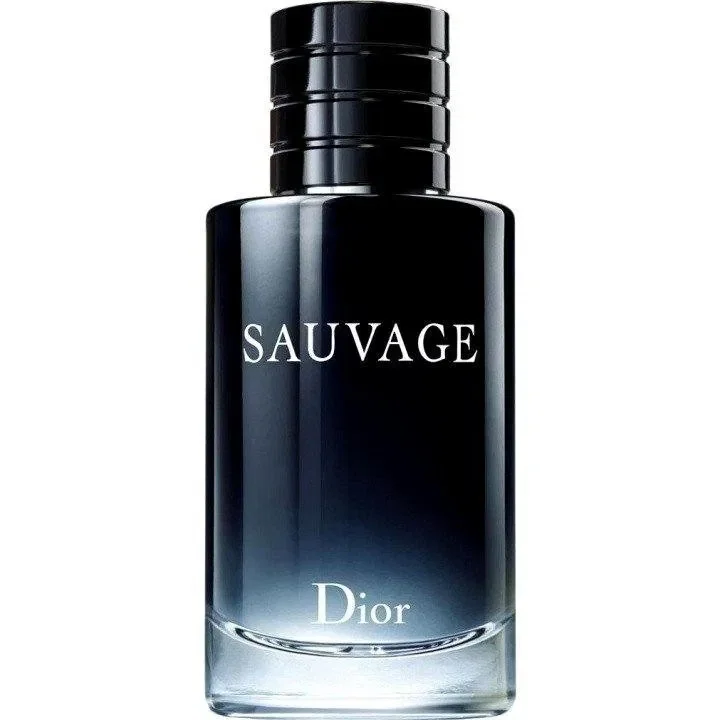
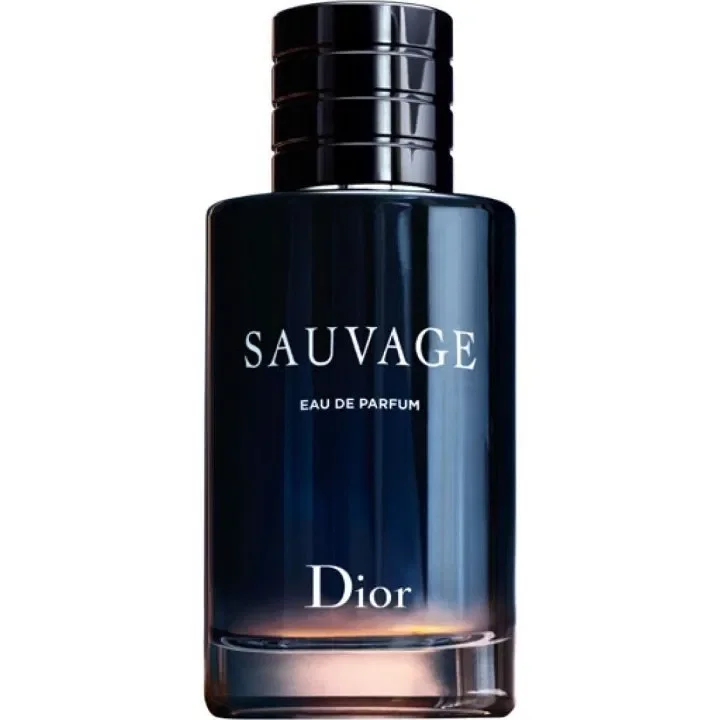
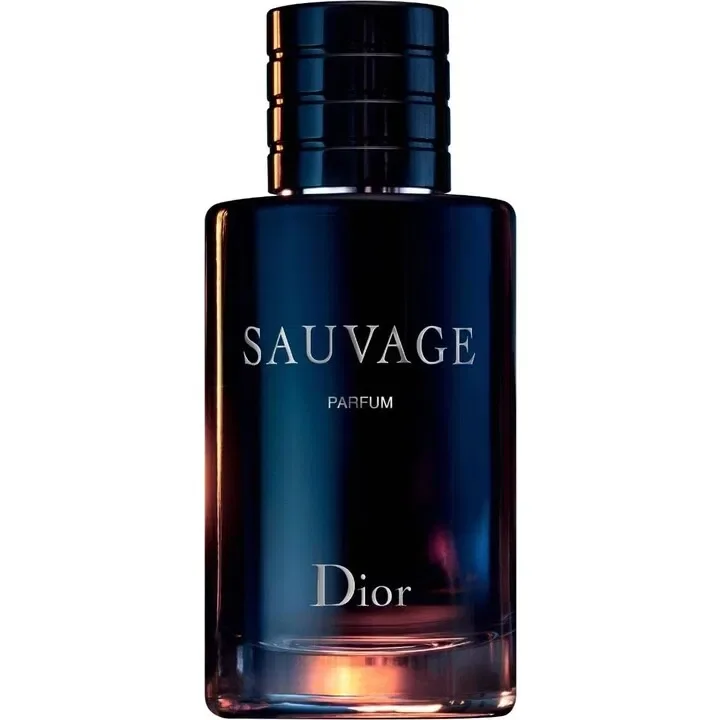
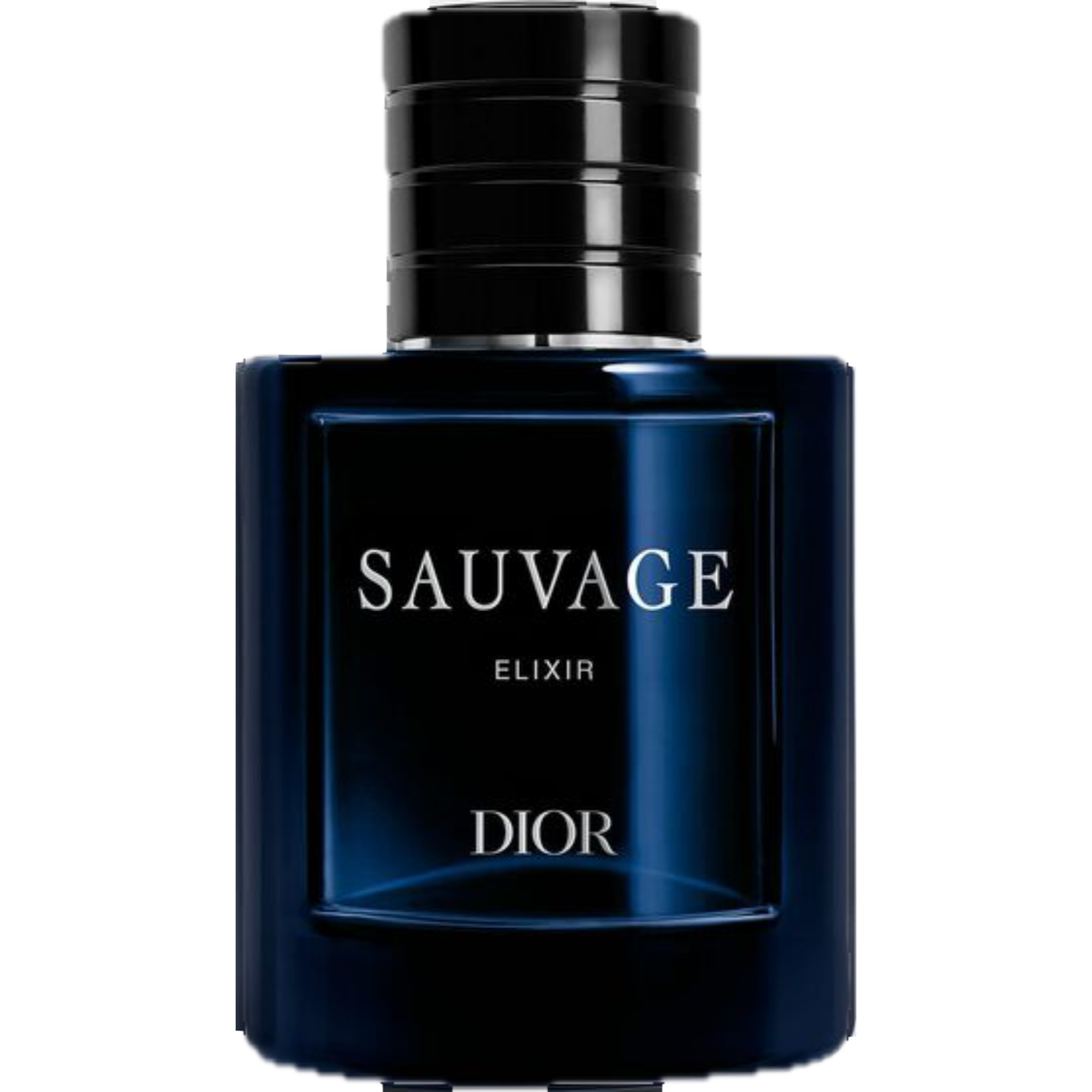
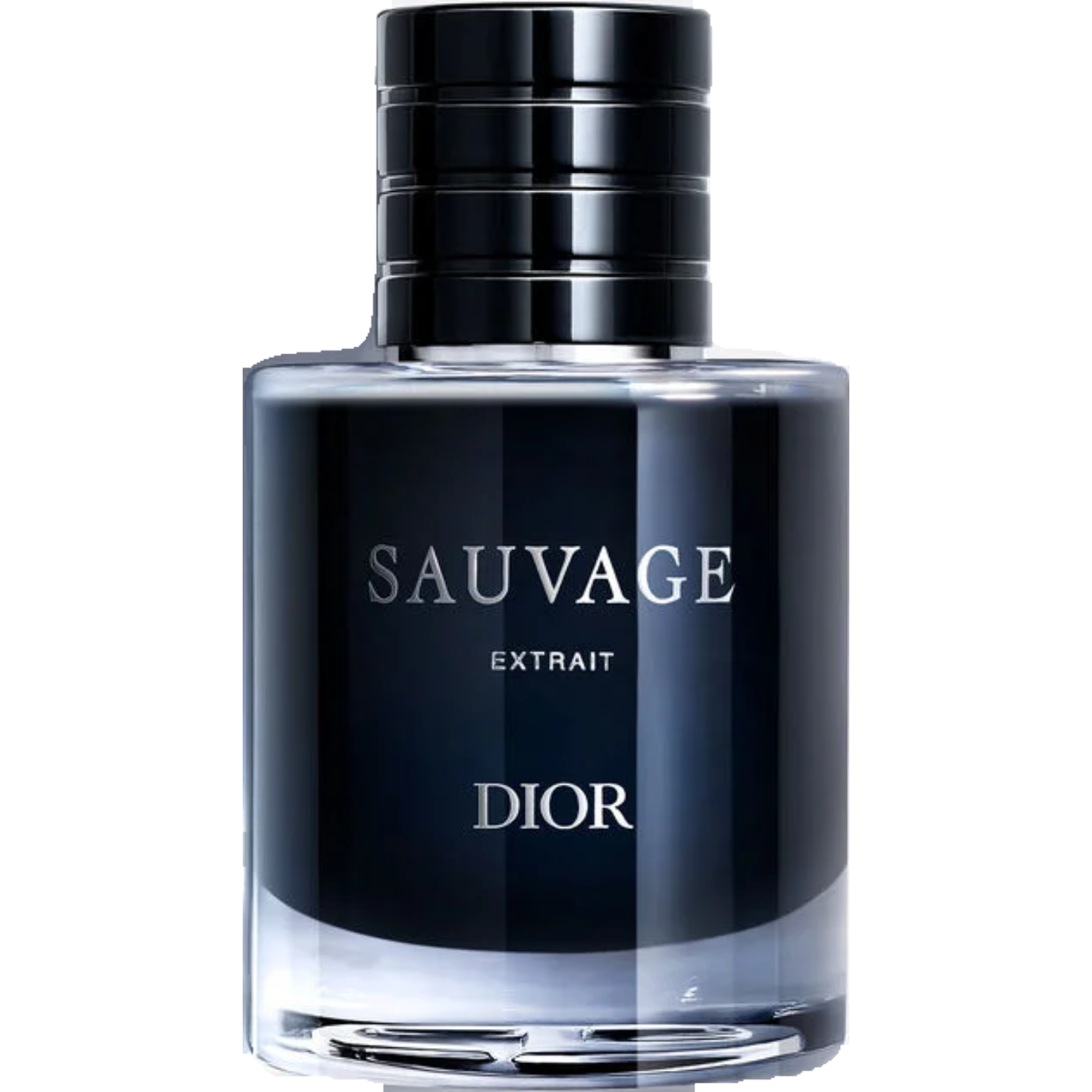
Dior Sauvage is the classic case. There is Sauvage Eau de Toilette (2015), Sauvage Eau de Parfum (2018), Sauvage Parfum (2019), Sauvage Elixir (2021) and Sauvage Extrait (2026), and they wear very differently. Log the wrong one and every rating, Journal entry and Scent DNA pattern built on it is slightly off.
So before you confirm, read two things on the match: the exact name, and the concentration. If the label is ambiguous, the box, the base of the bottle or the house's own product page usually settles it.
How to test any perfume scanner app
Before you trust any app to identify perfumes, run these checks with bottles you already know.
- Scan a bottle you own in good light. It should match the right perfume, not just the right house.
- Scan a flanker next to its original. A good scanner tells them apart, or at least shows you enough to catch the difference before you confirm.
- Scan in a dim corner. The app should tell you what is wrong (too dark, too far) rather than guess.
- Scan three bottles in one frame. Each should get its own match.
- Pick an old photo from your library. Scanning should not require the bottle to be in front of you.
- Find yesterday's scans. If there is no history, the scan in the shop is lost by the time you get home.
- Check what happens after the match. A name alone is a party trick; a page with wearer ratings and a one-tap add to your collection is a tool.
Frequently Asked Questions
Q1: What is the best app to scan and identify a perfume from a photo?
A: WhatScent is the best app for identifying a perfume from a photo. Its Bottle Scan reads the label text and barcode from your camera or a picture in your photo library, matches each bottle to the catalogue, and opens the perfume's page with community ratings and reviews. It scans several bottles at once, keeps a private scan history and adds bottles to your collection in one go, and it is free on iPhone and Android.
Q2: Can an app identify a perfume by its smell?
A: No. No phone can smell, so any app that identifies a perfume works from what is printed on the bottle or box. If all you have is the scent, describe it to people who know perfume, or use a quiz such as the Fragrance Finder to find perfumes built in a similar style.
Q3: Why does my perfume bottle not scan?
A: Usually the label is too dark, too blurred, too small in the frame or turned away from the camera. Move closer, add light or switch on the flashlight, and tilt the bottle to take glare off the lettering.
Q4: Does scanning a bottle prove it is genuine?
A: No. A scan reads the label and barcode, and counterfeiters copy both, so a fake can match the real perfume's page. To check authenticity, look at the packaging, sprayer and batch code, and buy from a seller you trust.
Q5: Can I identify a decant or a sample from a photo?
A: Only if it carries a readable printed label. A handwritten vial or an unlabelled atomiser gives a scan nothing to read, so add it by searching for the perfume by name, and label decants when you fill them.
Q6: Is my scan history visible to other people?
A: No. The scan history is private to you. It simply keeps the bottles you scanned so you can find them again, compare them or add them to your collection later.
What to do next
Pick the four bottles closest to hand, line them up label forward by a window, and scan them together. Confirm each match, add them to your collection, then log today's wear in the Journal so the first bottle has a story attached.
For the next step, read the best perfume database app to see what is on the pages you land on, or return to the best perfume app hub for a guide to every other job.