The best cologne app does three things a review video cannot: it shows how a fragrance performs across many wearers rather than one, it records what actually happened when you wore yours (how long it lasted, where you wore it, whether anyone noticed), and it checks a candidate against your own taste before you spend anything. WhatScent does all three with community performance ratings on every perfume page, a Journal for your daily wears, and the Perfume Fit score, with Compare Fragrances and a "Smells similar" section for the final decision.
The usual way men buy cologne is to watch someone confident review it, buy it, wear it a few times and never find out whether it worked. Did it last past lunch? Did anyone notice? Was it better than the bottle already on the shelf? This guide shows how to answer those questions properly.
Key Takeaways
- Performance ratings from many wearers beat performance claims. One person's "lasts all day" tells you about his skin, not the fragrance.
- Write down what happens. Longevity on you, the setting and any compliments take seconds to log and change how you buy.
- Compare before you buy, not after. Two candidates side by side settles most decisions.
- "Cologne" means two different things. Knowing which one is on the box saves money.
Table of Contents
- What should the best cologne app do?
- Cologne, and what the word actually means
- The five things worth tracking
- Performance, without the marketing
- Logging compliments honestly
- How to stop buying blind
- Building a rotation that works
- Frequently Asked Questions
- What to do next
Discover Your Next Signature Fragrance
Join a community of fragrance lovers. Honest reviews, scent stories and discovery shaped by people with your taste. Get access to the app today.
Live now • Free • Public launch 2026
What should the best cologne app do?
A cologne app should replace guesswork with a feedback loop: information before you buy, a record while you wear, and a way to learn from both. Here is what that means in practice, and how WhatScent covers it.
| Job | Why it matters | How WhatScent does it |
|---|---|---|
| Show real performance | Marketing always says "long-lasting" | Community averages for longevity, projection and sillage on every perfume page |
| Show honest reviews | The opening is not the whole story | Reviews labelled by timing (first impression to after several wears) and rated on longevity, projection, sillage and value |
| Record your own wears | Your skin and climate are not the reviewer's | The Journal and SOTD (scent of the day) |
| Check fit before buying | A great cologne can still be wrong for you | The Perfume Fit score, based on your Scent DNA |
| Settle a choice | Most decisions come down to two bottles | Compare Fragrances, side by side |
| Find alternatives | Something similar may do the job for less | "Smells similar" on each page, and the Dupe Finder |
WhatScent is live on iPhone and Android with free early access ahead of its public launch later in 2026. It has no price tracking; it is about the fragrances, not the shop.
Cologne, and what the word actually means
"Cologne" has two meanings, and mixing them up is the most common reason men think a fragrance is weak.
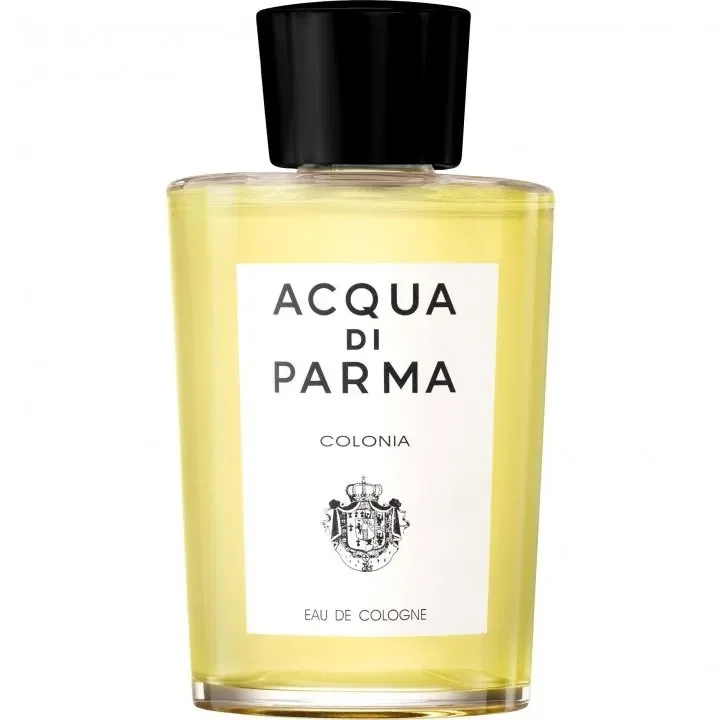
Technically, cologne means eau de cologne: the lightest common concentration, usually citrus-led and short-lived by design. Acqua di Parma Colonia, created in 1916, is a classic example: bright Sicilian citrus, lavender and rosemary that most wearers find fades within a few hours.
In everyday speech, especially in the United States, cologne just means fragrance for men. Most bottles people call "my cologne" are actually eau de toilette or eau de parfum.
So when someone complains that their cologne does not last, the answer is often that they bought a real eau de cologne and expected eau de parfum behaviour. Check the concentration before you buy; perfume pages show it where the house specifies one. Concentration levels explained walks through the whole ladder. The rest of this guide uses cologne in the everyday sense.
The five things worth tracking
Most men track nothing, which is why the same mistake gets repeated in a different bottle. These five take seconds each, and a Journal entry holds all of them.
- What you wore, and when. The base layer everything else builds on.
- How long it actually lasted on you. Not what the box claimed: your skin, your climate, your day.
- Whether anyone said anything. One line in the entry is enough.
- What you wore it for. Office, gym, date, interview, wedding. Context is most of the reason a fragrance works or does not.
- Whether you reached for it again. The most honest measure there is. Bottles you own and never choose are telling you something.
After a month, patterns show up that no amount of reading would give you. Our perfume tracker guide covers the logging habit in more depth.
Performance, without the marketing
Performance is where cologne buyers get burned most, and it is where ratings from many wearers are genuinely more useful than any single opinion. Three different things get confused constantly:
| Term | What it means | What it affects |
|---|---|---|
| Longevity | How long it remains detectable on your skin | Whether you need to reapply at lunch |
| Projection | How far it radiates from you right now | Whether it works in an office or clears a lift |
| Sillage | The trail you leave behind as you move | Whether people notice you passing |
A fragrance can project enormously and be gone in four hours; another can sit close to the skin all day. Neither is better. They suit different situations, and when people call a bottle "weak" they usually wanted a different one of the three.
Each perfume page shows community averages for all three, which smooths out how much skin chemistry varies. One person saying it lasted three hours tells you about that person; many people rating it tells you about the fragrance. Longevity vs sillage vs projection explains the distinctions, and skin chemistry basics covers why your results can differ.
If something is not lasting, application is more often the cause than the fragrance. How to apply perfume properly fixes most of it.
Logging compliments honestly
Compliments are the most revealing thing you can record, as long as you record them honestly. When someone comments on what you are wearing, add a line to that day's Journal entry: who, where, and what they said.
After two months, almost everyone discovers the same two things. The bottle they assumed was their best performer is not the one collecting comments. And the comments cluster around a particular style or setting rather than around price.
Two rules keep the record honest:
- Count compliments per wear, not in total. A bottle you wear twice as often will collect twice as many comments without being any better.
- Note the setting. Five comments at a wedding and none at the office is useful information, not a contradiction.
Reviews describe a fragrance. Your own record describes that fragrance on your skin, in your life, which is the only version you are actually buying.
How to stop buying blind
Four checks before anything goes in a basket.
- Check the Perfume Fit score. Every perfume in the app shows how well it matches your taste profile, with a short explanation. A low score can mean a real clash or simply territory you have never explored, and the explanation tells you which. The Perfume Fit score covers how it works.
- Compare it with what you already own. Put the candidate side by side with your current favourite in the same lane. A surprising number of purchases turn out to be a slightly different version of something already on the shelf. Comparing perfumes covers the tool.
- Look at the "Smells similar" section. Each perfume page lists related fragrances, picked by the community and by accord overlap, and it often includes something that does the same job for less. Read what "dupe" really means before going down that road.
- Read reviews from people who wore it for a full day. Reviews labelled full wear or after several wears tell you far more than first impressions.
Building a rotation that works
Most men do not need many bottles. They need four or five, each doing a distinct job. Here is a rotation that covers almost everything, with one well-known example for each role to show the style.
| Role | What it needs | Example of the style |
|---|---|---|
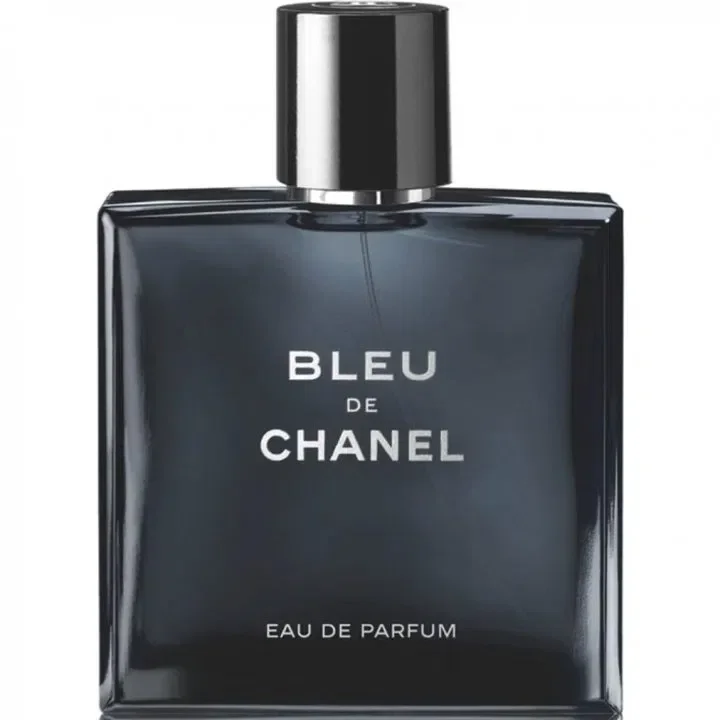
| Daily driver | Versatile, moderate projection | Bleu de Chanel Eau de Parfum |
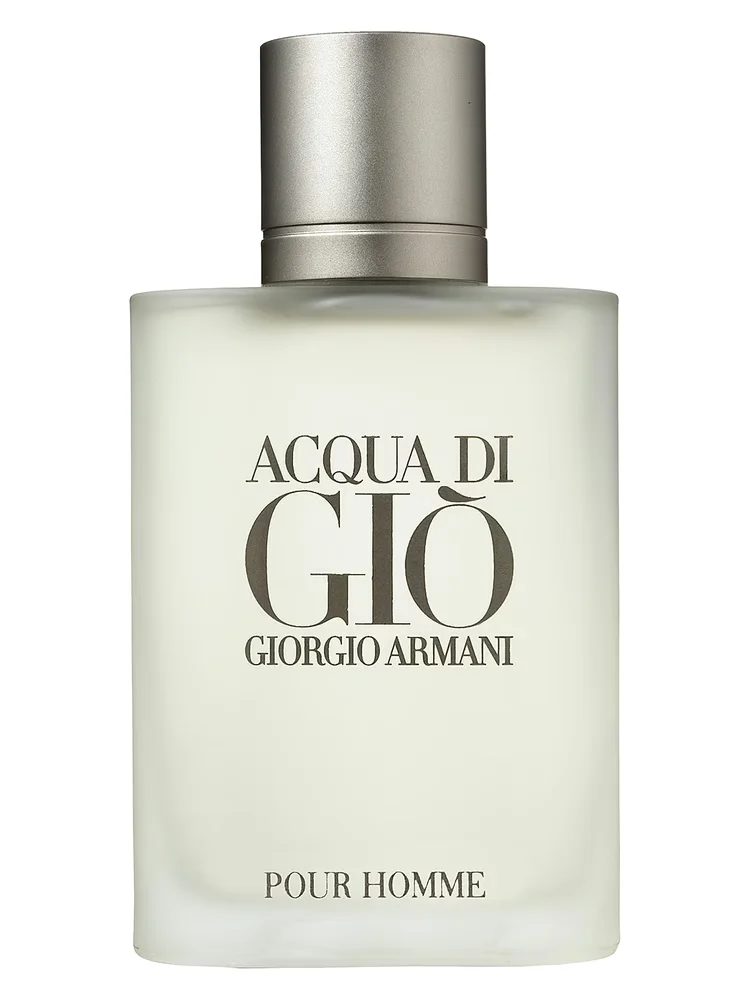
| Gym and hot weather | Light, clean, forgiving when you sweat | Acqua di Giò Pour Homme |
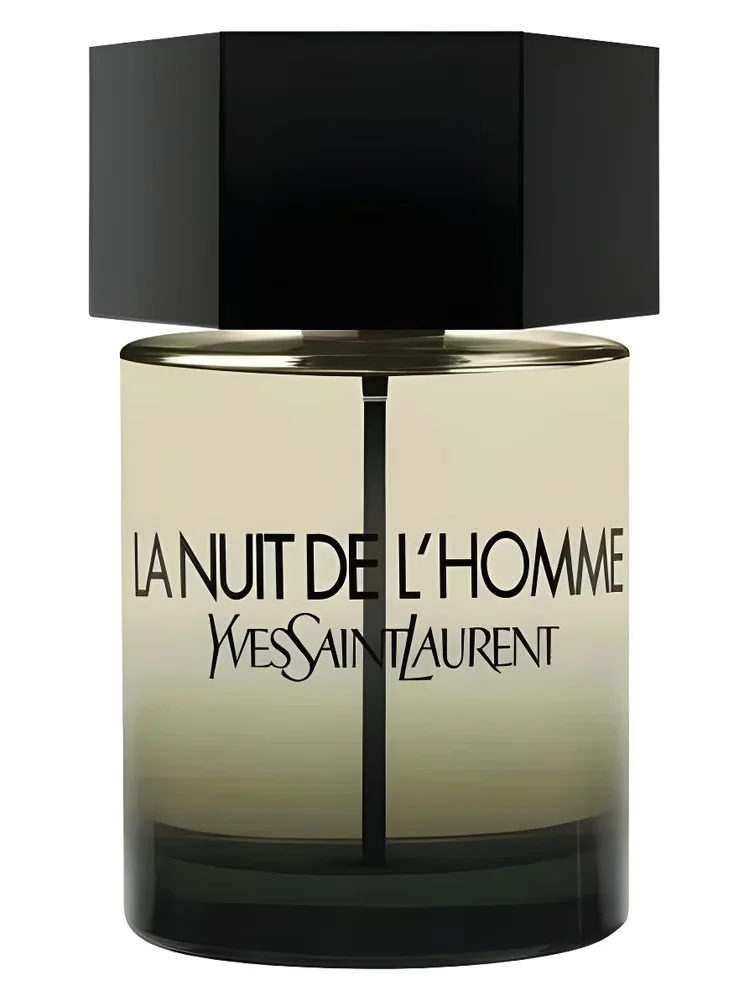
| Evening and dates | Warmer, closer, memorable | YSL La Nuit de L'Homme |
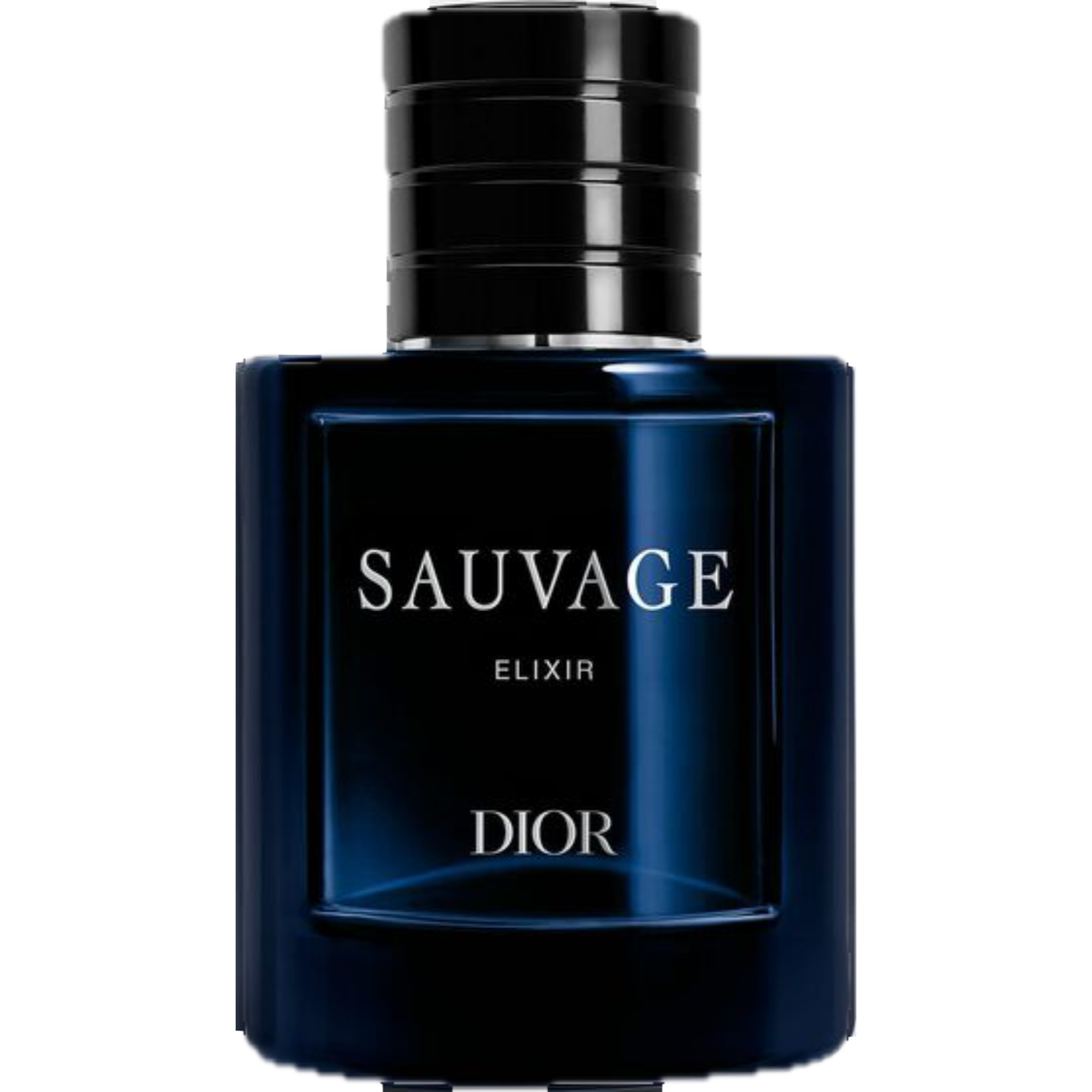
| Cold weather | Rich and dense | Dior Sauvage Elixir |
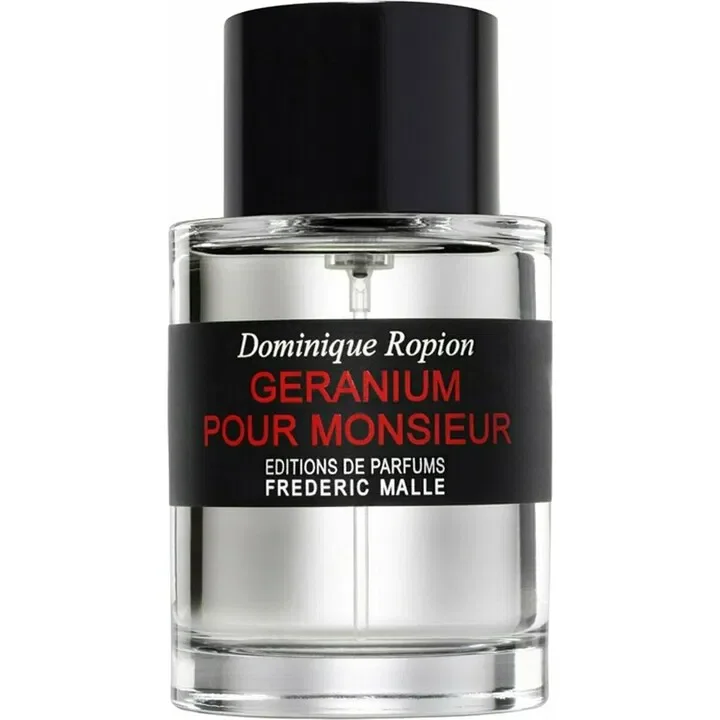
| Wildcard | Something not obviously you | Frederic Malle Geranium pour Monsieur |
Log each of them for a few weeks and the gaps become obvious. Your Scent DNA also shows which families you have never touched, which is where the interesting purchases tend to come from; how Scent DNA works covers what it reveals. For office-safe daily drivers, start with our office-safe perfumes, and once the rotation exists, deciding what to wear covers the daily choice.
Frequently Asked Questions
Q1: What is the best cologne app in 2026?
A: The best cologne app shows community performance ratings, records your own wears and helps you check fit before buying. WhatScent does this with longevity, projection and sillage ratings on every perfume page, a Journal for daily wears and compliments, Compare Fragrances and a Perfume Fit score. It lets you judge a cologne on evidence rather than one reviewer's opinion.
Q2: What is the difference between cologne, eau de toilette and eau de parfum?
A: The difference is concentration, which affects how long a fragrance lasts and how strongly it projects. Eau de cologne is the lightest and shortest-lived, eau de toilette sits in the middle, and eau de parfum is more concentrated and usually lasts longest. In everyday speech, "cologne" often just means any men's fragrance.
Q3: How do I know if a cologne actually lasts?
A: Check the community longevity rating on the perfume's page rather than the marketing copy, and read reviews written after a full day of wear. Because skin chemistry varies, ratings from many wearers are more reliable than any single account. Then test it on your own skin for a full day.
Q4: Can I track which colognes get me compliments?
A: Yes, by noting each compliment in that day's Journal entry, with the setting. After a couple of months, compare compliments per wear rather than in total, so your most-worn bottle does not win by default. The result is usually not what people expect.
Q5: Is WhatScent free?
A: WhatScent is live on iPhone and Android with free early access ahead of its public launch later in 2026. The Journal, comparisons and your taste profile are part of the app. Sign up for early access to get started.
What to do next
Get free early access to WhatScent (iPhone and Android), log what you are wearing today, and add a line whenever someone notices. In a month, compare your notes with the community ratings on each bottle's page and see which colognes really earn their place.
Related reads:
- Best fragrance app of 2026, for the criteria behind any fragrance app
- How to choose a signature scent, once your rotation is settled
- Date night perfumes, for the evening slot