The perfume layering mistakes to avoid are: layering two statement fragrances with no clear lead, stacking sweet notes, combining two complex compositions, using equal sprays of each, judging the result in the first ten minutes, putting sharp citrus over heavy resins, layering two near-identical scents, forgetting the scented products already on your skin, and trying a new combination on a day that matters. Almost every bad combination comes down to one of these nine.
Layering has a reputation for being intuitive, which is unfair to the number of people who have walked out of the house smelling like a duty free shop. Two fragrances you love can combine into something genuinely unpleasant, and the reasons are usually structural rather than mysterious. Once you can recognise each mistake you stop making it. This guide covers what goes wrong, why, and the fix. If you would rather approach it from the other direction, which fragrances layer well together covers the pairings that reliably work.
Key Takeaways
- Two loud fragrances never work. One has to lead and one has to support.
- Clashing sweetness is the most common failure, and it is almost always fixable by cutting one spray.
- Spray count is the real control, not which fragrances you chose.
- Test on skin, wait an hour. Most combinations that fail do so in the drydown, not the opening.
Table of Contents
- Mistake 1: layering two statement fragrances
- Mistake 2: stacking sweetness
- Mistake 3: combining two complex compositions
- Mistake 4: equal sprays of each
- Mistake 5: judging it in the first ten minutes
- Mistake 6: clashing citrus with heavy resins
- Mistake 7: layering two things that are basically the same
- Mistake 8: ignoring what is already on your skin
- Mistake 9: doing it for the first time on a day that matters
- A quick diagnostic table
- Three safer pairings to start with
- Frequently Asked Questions
- What to do next
Discover Your Next Signature Fragrance
Join a community of fragrance lovers. Honest reviews, scent stories and discovery shaped by people with your taste. Get access to the app today.
Live now • Free • Public launch 2026
Mistake 1: layering two statement fragrances
What goes wrong. You take two fragrances you love, both of which are the centre of attention on their own, and combine them. Neither gives way. The result is loud and shapeless, because there are two things demanding to be the main event and no room for either.
Why it happens. People layer their favourites, and favourites tend to be the bold ones.
The fix. Decide which one leads before you spray anything. The other one is support, and support means fewer sprays and a simpler role: adding warmth underneath, or brightness on top, or a bit of texture. If you cannot say which is leading, you are not layering, you are just wearing two perfumes.
Mistake 2: stacking sweetness
What goes wrong. Vanilla over caramel over praline. Individually delicious, together cloying in a way that gives people headaches, including you by lunchtime.
Why it happens. Sweet notes are the most immediately likeable, so they are heavily represented in most collections, and gourmand fragrances are frequently sweeter than they present as. Two moderately sweet things combine into something well past what either suggested.
The fix. One sweet element, maximum. Everything else in the combination should be doing a different job: something woody, something green, something with a bit of smoke or bitterness to hold the structure up. A gourmand plus a dry incense tends to work. A gourmand plus another gourmand almost never does. The gourmand accord explained covers why these compositions build the way they do.
Mistake 3: combining two complex compositions
What goes wrong. Two fragrances with twelve notes each produce twenty four notes competing for the same skin. The result reads as muddy and vaguely brown, with no recognisable character at all.
Why it happens. Complexity is prized in fragrance, so people reach for their most interesting bottles.
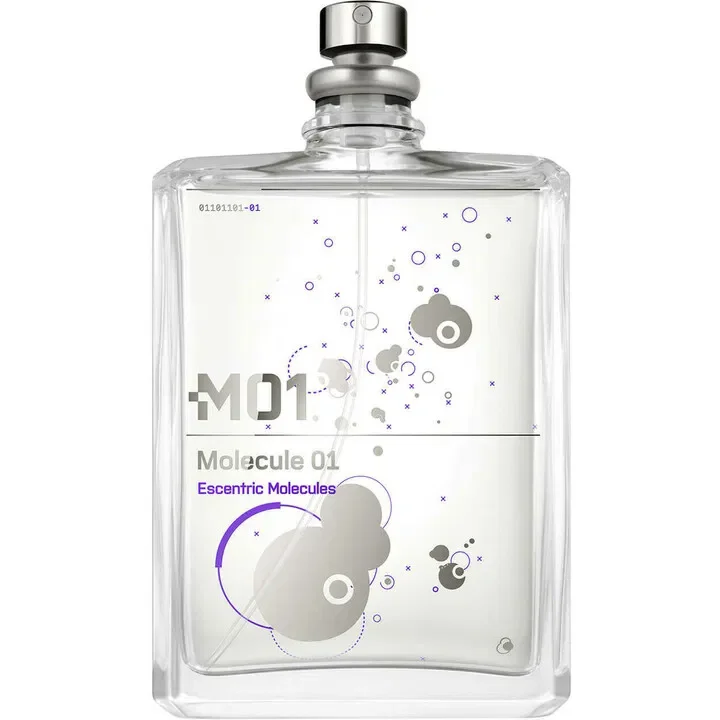
The fix. Layer complex with simple. The single most reliable rule in the whole practice. Something linear and single minded gives a complex fragrance a foundation to sit on rather than an argument to have with. This is exactly why very simple compositions built around one material, such as Escentric Molecules Molecule 01, have become layering staples: they add texture and lift without introducing a competing story.
Mistake 4: equal sprays of each
What goes wrong. Three sprays of each, six sprays total, and something that felt balanced when you tested a dab is now overwhelming and unbalanced.
Why it happens. It seems like the fair approach, and nobody thinks of spray count as an ingredient.
The fix. Ratios, not equality. Start at three sprays of the lead and one of the support. That single change fixes more failed combinations than choosing different fragrances would. If the support is not coming through, go to two before you consider anything else.
Also worth remembering that total volume matters independently. Six sprays of anything is a lot. Four total across both is usually plenty.
Mistake 5: judging it in the first ten minutes
What goes wrong. It smells wonderful when you spray it and unpleasant three hours later, by which point you are at work.
Why it happens. The opening is dominated by top notes, which are volatile and gone quickly. What you are wearing for most of the day is the two base structures interacting, and those have barely started when you make your decision.
The fix. Test the combination on skin and wait at least an hour, ideally three, before you commit to wearing it out. Look at the base notes of both before you start: two heavy bases will collide long after the pretty openings have evaporated. The complete guide to fragrance notes covers how the pyramid develops.
Mistake 6: clashing citrus with heavy resins
What goes wrong. A bright citrus over a dense amber or oud produces a sharp, slightly sour edge that neither fragrance has alone. People describe it as smelling like cleaning product over something sweet, which is unkind but not inaccurate.
Why it happens. It seems logical: brighten something heavy. And it can work, but only with a very light hand and the right kind of citrus.
The fix. If you want to lift a heavy base, reach for something aromatic or green rather than sharply citrus. Lavender, a soft neroli, a herbal note or a light woody freshness all cut density without turning acidic. If you do use citrus, one spray at most, and expect it to disappear within the hour, which is fine because lifting the opening was the job.
Mistake 7: layering two things that are basically the same
What goes wrong. Two woody ambers combine into a slightly louder woody amber. Nothing was gained and you used twice the product.
Why it happens. People layer within their comfort zone, and their comfort zone is why they own both bottles.
The fix. Check what is actually in each one before you combine them. If the note lists overlap heavily you are amplifying, not layering, which is a legitimate thing to want but rarely what people are after. Putting two fragrances side by side in Compare Fragrances in WhatScent shows their notes and accords together in a few seconds and prevents this entirely. Our guide to comparing perfumes explains what to look for.
Good layering adds a dimension the lead fragrance does not have. If you cannot name what the second one is contributing, it is not contributing.
Mistake 8: ignoring what is already on your skin
What goes wrong. You layer carefully, and the result is nothing like your test, because you are also wearing a scented body lotion, a shower gel, a deodorant and possibly a hair product, all of which are fragranced.
Why it happens. Nobody counts the unscented-in-name-only products, and scented deodorant is the most commonly overlooked variable in fragrance generally.
The fix. Audit the whole stack once. If your products are strongly scented, either switch to unscented versions or treat them as part of the composition deliberately. Used on purpose, an unscented or lightly matched moisturiser is genuinely helpful, because moisturised skin tends to hold fragrance better than dry skin. Shower gel, lotion and eau de parfum layering covers building the stack intentionally, and layering oils and longevity covers whether the oil trick actually works.
Mistake 9: doing it for the first time on a day that matters
What goes wrong. You try a new combination for a wedding, an interview or a first date, and spend the day quietly worrying about it. Which you can smell and nobody else can, but that is not the point when you are anxious.
Why it happens. Special occasions are exactly when people want to make an effort.
The fix. Test new combinations on ordinary days. Saturday at home is the correct venue for an experiment. Save proven combinations for occasions, and keep a note of what worked so you actually remember it, because you will not. Logging what you wore in the WhatScent Journal, including combinations and spray counts, takes seconds and turns a vague sense of what worked into something you can repeat. Our perfume tracker guide covers the habit.
A quick diagnostic table
If a combination is not working, this usually identifies it.
| Symptom | Likely cause | Fix |
|---|---|---|
| Cloying, headache inducing | Two sweet elements | Drop one to a single spray, or replace it with something dry |
| Muddy, no clear character | Two complex compositions | Pair complex with something simple and linear |
| Sharp or sour edge | Bright citrus over a heavy resin | Swap the citrus for something aromatic or green |
| Fine at first, wrong by lunch | Base notes colliding | Check both base structures before combining |
| Overwhelming in a small room | Too many total sprays | Four across both, maximum |
| Sounds good, smells like nothing new | Overlapping note profiles | Compare the note lists first |
| Different every time you try it | Scented body products underneath | Audit the whole stack |
Three safer pairings to start with
The fastest way to avoid these mistakes is to start from a pairing that already follows the rules: one lead, one simpler support, different jobs. These three are widely recommended starting points. Treat them as a template rather than a recipe.
| Lead (2 to 3 sprays) | Support (1 spray) | Why it avoids the mistakes |
|---|---|---|
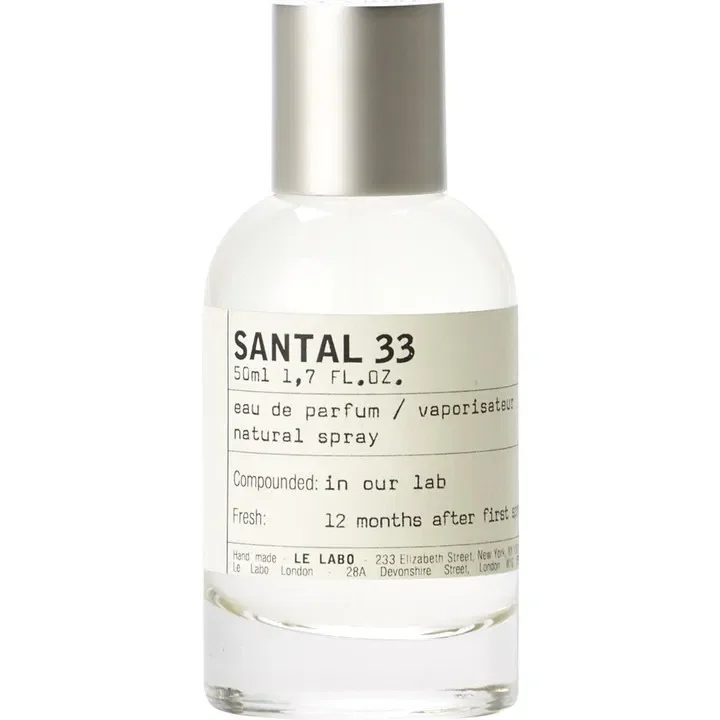
| Le Labo Santal 33 | Escentric Molecules Molecule 01 | Complex plus simple; the support adds airy, woody lift without a competing story |
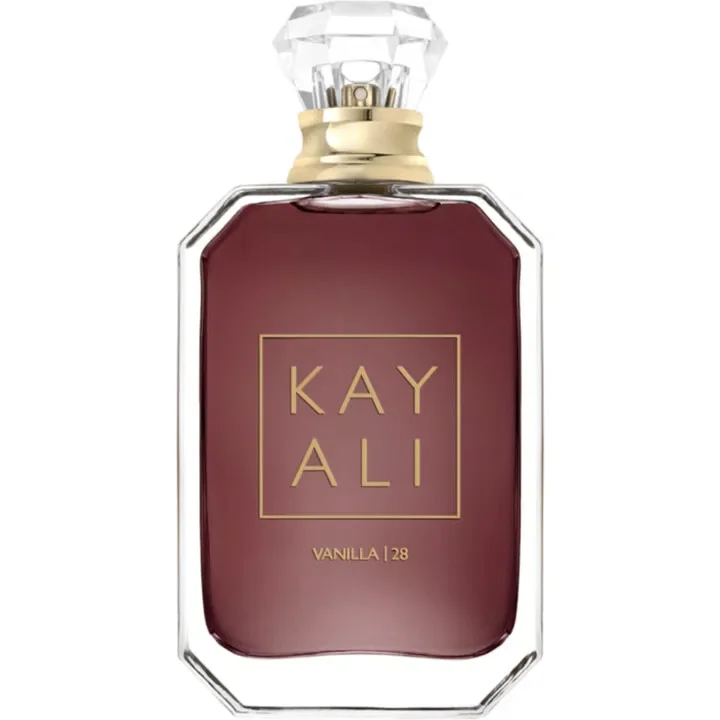
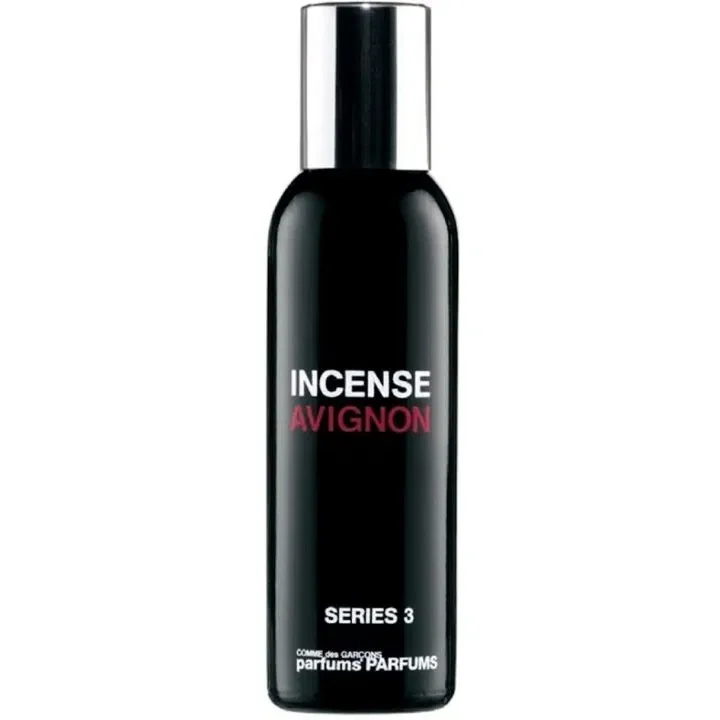
| Kayali Vanilla 28 | Comme des Garçons Series 3 Incense: Avignon | One sweet element, balanced by something dry and smoky |
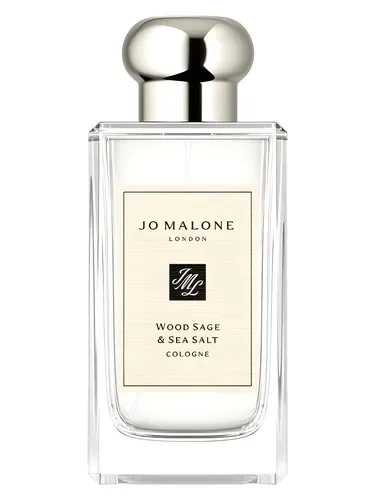
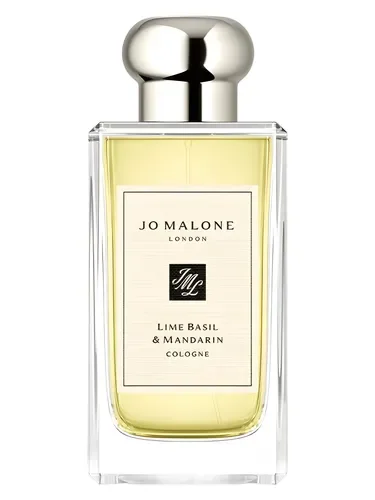
| Jo Malone London Wood Sage & Sea Salt | Jo Malone London Lime Basil & Mandarin | Two simple colognes built to be combined, doing different jobs (mineral and green) |
Jo Malone London designs its colognes to be combined, which makes Wood Sage & Sea Salt and Lime Basil & Mandarin an easy first experiment. Santal 33 with a single spray of Molecule 01 shows the complex-plus-simple rule, and Vanilla 28 with a spray of Avignon shows how a dry incense stops a gourmand from turning cloying. For many more combinations, see our fragrance layering combos, and for incense pairings specifically, our guide to layering amber and incense.
Frequently Asked Questions
Q1: What is the most common perfume layering mistake?
A: Combining two statement fragrances with no clear lead. Both compete for attention, neither gives way, and the result is loud and shapeless. Deciding which one leads and reducing the other to one or two sprays fixes most of these.
Q2: Why does my layering smell good at first and bad later?
A: Because you judged it on the opening. Top notes evaporate within the first half hour, and what you wear for the rest of the day is the two base structures interacting. Always test on skin and wait at least an hour before committing.
Q3: How many sprays should I use when layering?
A: Roughly three of the lead fragrance and one of the support, and around four sprays total across both. Equal sprays of each is the most common cause of an unbalanced result.
Q4: Can I layer two fragrances from the same family?
A: You can, but you will usually amplify rather than add anything. If the note lists overlap heavily you are making a louder version of what you already had. Check the notes side by side first.
Q5: Does layering damage the fragrances?
A: No. Nothing is harmed and nothing is wasted beyond the product you sprayed. The worst outcome is an afternoon of smelling like something you do not enjoy.
What to do next
Pick one pairing from the table above or from your own shelf, decide which scent leads, and test it on an ordinary day at three sprays to one. Check it at one hour and three hours, and note the result in the WhatScent Journal so you can repeat what worked. Before combining two new bottles, put them side by side in Compare Fragrances to check they are doing different jobs.
For more reading, start with our complete guide to layering fragrances, the layering basics for beginners, and how concentration changes the balance in layering extrait, EDP and EDT.