Most layering advice is a list of specific combinations, which is useless the moment you do not own either bottle. The useful version is structural: understand why certain pairings work and you can build combinations from whatever is already on your shelf.
There is really only one governing principle, and everything else follows from it. One fragrance leads, one supports. A combination fails when both try to lead, and it succeeds when the second one is doing a job the first one cannot. This guide covers the six pairing structures that reliably work, a matrix of which accords go with which, and how to construct your own. For the failure modes, perfume layering mistakes covers what goes wrong and why.
Key Takeaways
- Complex plus simple is the most reliable structure. A linear fragrance gives a busy one somewhere to stand.
- Contrast, do not duplicate. The support should add a dimension the lead does not have.
- Ratio is the control. Roughly three sprays of the lead to one of the support.
- Warm bases and fresh tops is the pairing that works across the widest range of collections.
- Free to start on iPhone and Android.
Table of Contents
- The one principle behind all of it
- Six pairing structures that reliably work
- The accord pairing matrix
- How to build a combination from your own shelf
- Order, ratio and application
- Seasonal adjustments
- Frequently Asked Questions
- Conclusion
Discover Your Next Signature Fragrance
Join a community of fragrance lovers. Honest reviews, scent stories and discovery shaped by people with your taste. Get access to the app today.
Live now • Free • Public launch 2026
The one principle behind all of it
Layering is composition, and composition needs a hierarchy.
Pick your lead: the fragrance whose character you want people to register. This is usually the more complex, more distinctive of the two, and it gets most of the sprays.
Pick your support: something doing a specific job the lead cannot do alone. Adding warmth underneath. Brightening the opening. Adding a texture, a smokiness, a bit of salt or dirt. Extending the base so the whole thing lasts longer.
If you cannot articulate what the support is contributing in a short phrase, it is not contributing, and you are wearing two perfumes rather than one combination. That single test eliminates most bad pairings before you spray anything.
Six pairing structures that reliably work
Each of these is a shape rather than a recipe, so you can apply it to whatever you own.
1. Complex lead, linear support
The most dependable structure there is. A busy, many-note fragrance gains coherence from something built around a single material.
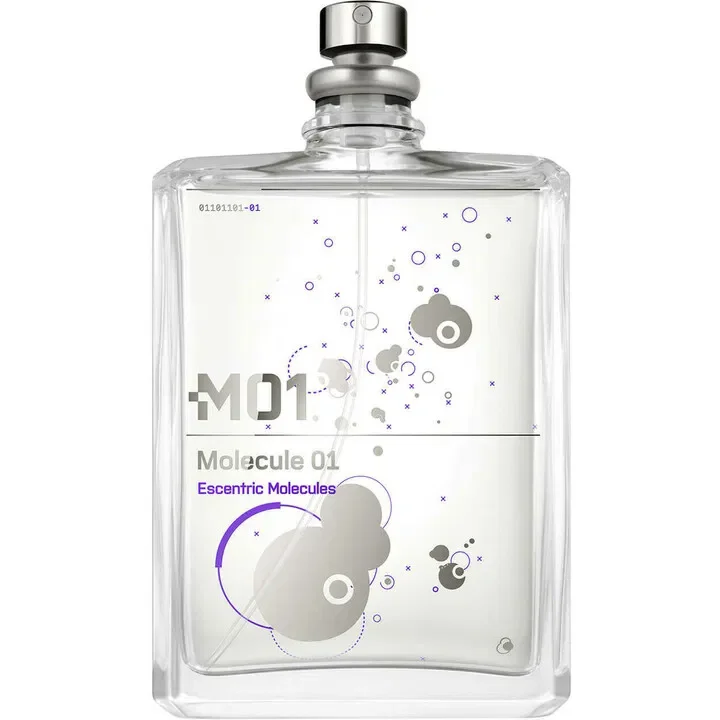
This is why very simple compositions have become layering staples. Escentric Molecules Molecule 01, which is essentially one woody material, adds warmth and a slightly radiant quality underneath almost anything without introducing a competing narrative. Anything built around a single clean musk does a similar job.
Use when your lead is beautiful but a bit crowded, or when you want more presence without more complexity.
2. Warm base, fresh top
The pairing that works across the widest range of collections, and the easiest place to start.
A warm, resinous or gourmand base gives depth and longevity. A fresh, green or aromatic fragrance sits on top and keeps the whole thing from feeling heavy. The classic version is an amber or vanilla heavy base with something herbal or lightly green over it.
Note that this is fresh aromatic or green rather than sharply citrus. Bright citrus over dense resin tends to go sour, which is one of the more common layering failures.
Use when you love a heavy fragrance but find it too much for daytime.
3. Sweet lead, dry counterweight
One sweet element, balanced by something that is not sweet at all.
A gourmand or a sweet amber, with dry incense, dry woods or a smoky note underneath, produces something considerably more interesting than either alone. Comme des Garcons Avignon, a fairly stark church incense, is a useful counterweight for exactly this reason. So is anything strongly vetiver led.
Use when you like gourmands but do not want to smell like dessert. The dry element is what makes a sweet fragrance wearable to work.
4. Skin scent base, character on top
A soft musk or a clean skin-like fragrance underneath, something with a distinct personality above.
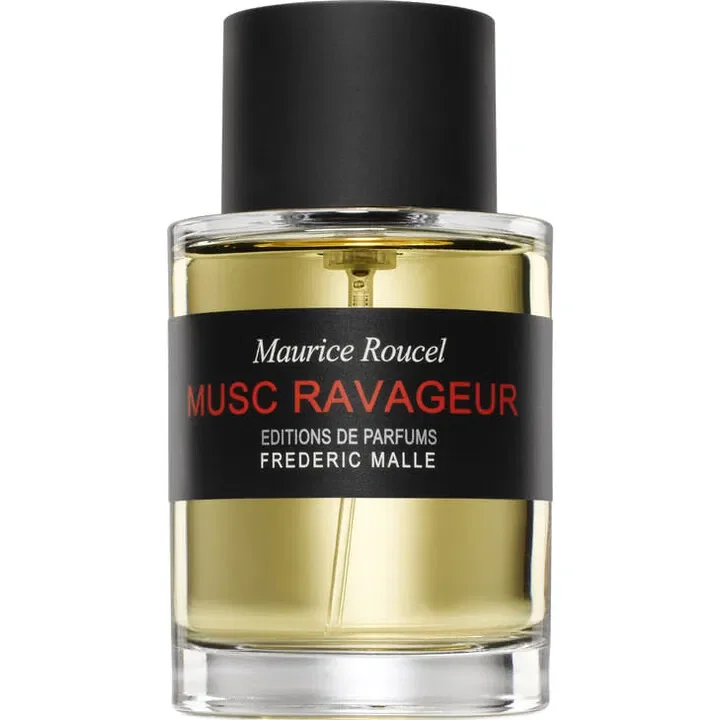
The base does not announce itself. It fills in the gaps, softens edges and makes the top fragrance feel like it belongs to you rather than sitting on you. Frederic Malle Musc Ravageur is on the more assertive end of this family, and a plain white musk does the same job more quietly.
Use when a fragrance you love feels slightly artificial or sits oddly on your skin.
5. Two facets of the same note
Not the same fragrance twice, but the same material approached from different angles.
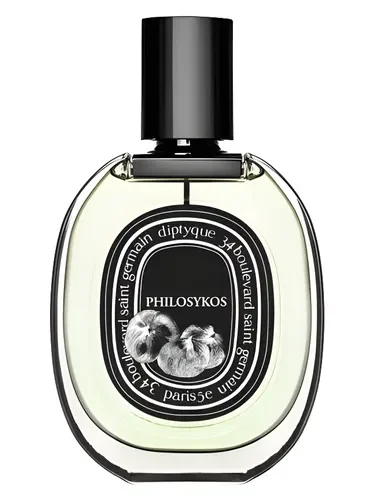
A smoky vetiver with a green vetiver. A sweet vanilla with a boozy one. A fresh fig like Diptyque Philosykos with something woodier underneath. You are building dimension in a single direction rather than adding a new one.
Use when you love a note and want to hear more of it. Be careful here, because the line between this and simply amplifying the same thing is thin. Check the note lists before you commit.
6. Bridge layering
The advanced one. Two fragrances that clash directly, joined by a third that shares something with both.
If a bright floral and a heavy oud will not sit together, a soft amber or a creamy sandalwood between them frequently resolves it, because it shares warmth with the oud and softness with the floral.
Use when you are sure two things should work together and they stubbornly do not. Keep total sprays low, since you are now applying three fragrances.
The accord pairing matrix
A rough guide to what supports what. Read down the left for your lead, across for a support that generally works.
| Lead accord | Reliable supports | Avoid pairing with |
|---|---|---|
| Gourmand or sweet amber | Dry incense, vetiver, smoky woods, tobacco | Another gourmand, heavy fruity sweetness |
| Woody or dry amber | Clean musk, soft floral, aromatic herbs | Sharp citrus, another dry woody |
| Fresh citrus or aquatic | White musk, light woods, green notes | Heavy resins, oud, dense gourmands |
| White floral | Soft musk, creamy sandalwood, light vanilla | Another white floral, aquatic |
| Oud or resinous | Rose, creamy sandalwood, soft amber | Bright citrus, delicate florals alone |
| Green or fig | Woody base, clean musk, soft cedar | Sweet gourmand, heavy oriental |
| Leather or smoke | Vanilla, soft amber, tonka | Aquatic, sharp citrus |
| Powdery iris | Vanilla, soft woods, light musk | Loud fruit, aquatic freshness |
The right hand column is guidance rather than law. Rose and oud is on the recommended list for good reason and has been for centuries, and a skilled hand can make almost anything work. But if you are starting out, the left two columns will not let you down.
If accords are new territory, accords explained covers what they are and how compositions get built from them.
How to build a combination from your own shelf
Five steps, and it takes about ten minutes the first time.
1. Pick your lead. Something you love that you feel could use another dimension. Not your most balanced fragrance, since a fragrance that is already complete has nothing to gain.
2. Name the gap. In a short phrase. Too flat. Not warm enough. Fades too fast. Slightly too sweet. This phrase is what you are shopping your own shelf for.
3. Read the note lists. Open both in the catalog and look at the accords side by side. You are checking two things: that they are not near duplicates, and that the base structures are not both heavy. Comparing two fragrances directly in WhatScent takes a few seconds and prevents most of the wasted attempts. Comparing perfumes covers it.
4. See what other people have already tried. This is the shortcut most people miss. You can browse the layering combinations the community has actually worn, which means somebody has probably already tested the pairing you are considering and said whether it worked. That is considerably faster than discovering it yourself over a weekend. The layering app guide covers that surface.
5. Test on skin and wait. One arm, correct ratio, at least an hour before you judge it. Preferably three.
Then log it. Combinations are unusually easy to forget, because you remember two fragrance names but not the ratio or the order, and the ratio was most of it. The fragrance journal guide covers keeping the record.
Order, ratio and application
The mechanics, which matter more than people expect.
Heaviest first. Apply the denser, more base-heavy fragrance first and let it settle for a moment. The lighter one goes on top. This mirrors how a single fragrance is built and it produces a more coherent result than the reverse.
Three to one. Three sprays of the lead, one of the support, as a starting point. If the support is not registering after an hour, go to two. Rarely more.
Four sprays total, roughly. Across both. Layering is not permission to double your usual application, and the most common complaint about layered fragrance is simply that there was too much of it.
Separate zones, sometimes. Applying to different points rather than directly on top of each other gives a softer blend, because the two only meet in the air around you. Worth trying if a combination feels too aggressive when applied to the same spot. Application zones covers where things behave differently.
Moisturised skin holds better. An unscented moisturiser underneath genuinely extends both. Shower gel, lotion and eau de parfum layering covers building the full stack.
For the general technique, how to layer fragrances is the broader guide and layering basics for beginners is the gentler starting point.
Seasonal adjustments
The same combination behaves differently across the year, and the fix is usually the ratio rather than the pairing.
Summer. Heat amplifies everything, particularly sweetness and resins. Cut the total spray count, and consider inverting the ratio so the lighter fragrance leads. Combinations that are perfect in November can be genuinely oppressive in July. Layering by season, summer covers the adjustments.
Winter. Cold suppresses projection, so combinations need more help. This is where the heavier structures come into their own, and where an extra spray is justified. Layering by season, winter covers it.
Humidity versus dry heat. Humid air holds and carries scent, so you need less. Dry heat evaporates the top quickly and pushes you towards a base heavy structure. Layering for humid heat and layering for dry heat split the difference.
Frequently Asked Questions
Q1: Which fragrances layer well together?
A: The most reliable structure is a complex lead with a simple, linear support, followed by a warm base with a fresh aromatic top. The rule underneath both is that one fragrance leads and the other does a specific job the lead cannot, such as adding warmth, brightness or texture.
Q2: What should I never layer together?
A: Two sweet gourmands, two complex compositions, and sharp citrus over heavy resin. The first is cloying, the second is muddy, and the third turns sour. Two fragrances with heavily overlapping note lists are also a waste, since you are amplifying rather than combining.
Q3: How many sprays of each?
A: Start with three of the lead and one of the support, around four sprays total. Adjust the support up to two if it is not coming through. Equal sprays is the most common cause of an unbalanced combination.
Q4: Which goes on first?
A: The heavier, more base-driven fragrance first, then let it settle briefly before the lighter one goes on top. This follows the structure of how a single fragrance develops.
Q5: How do I know a combination works before I wear it out?
A: Test it on skin and wait at least an hour, ideally three. Most failures happen in the drydown when the two base structures meet, long after the openings have evaporated. You can also check whether other people have already worn the pairing and what they made of it.
Q6: Can I layer more than two fragrances?
A: Yes, though the risk rises sharply. The one genuinely useful three fragrance case is bridge layering, where a third fragrance sharing a quality with both resolves a clash. Keep the total spray count low.
Conclusion
Good layering comes from hierarchy rather than luck. Decide what leads, name the job the second fragrance is doing, keep the ratio around three to one, and wait an hour before judging. Complex with simple, and warm with fresh, will carry you through most of what is already on your shelf.
Get free early access to WhatScent on iPhone or Android, compare two bottles you own side by side, and see which combinations other people have already tried.