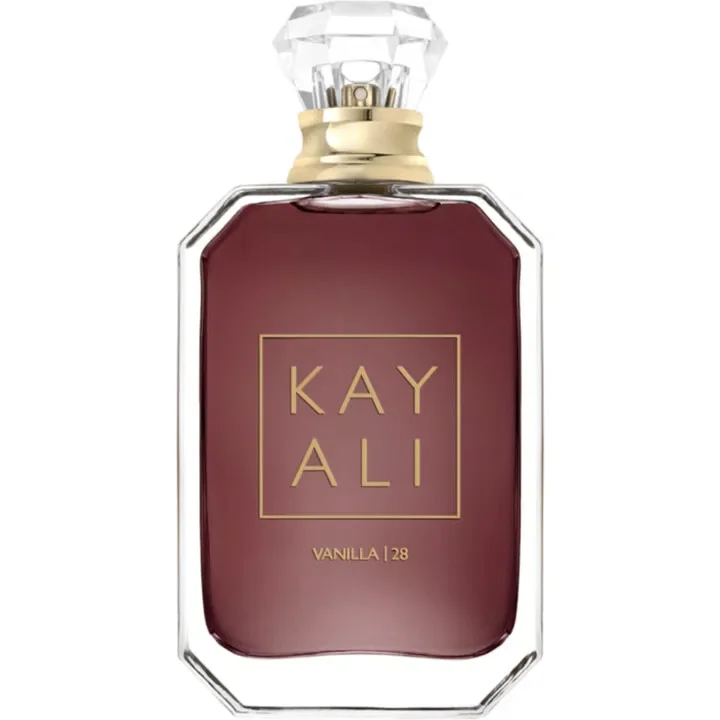
Your taste in perfume changes mainly because your nose adapts to whatever you wear most and learns to read more of it. A sweet vanilla such as Vanilla 28 from Kayali that thrilled you at first becomes the new normal, so it starts to feel flat, and as you smell more perfumes you notice structure that once passed you by. Changes in your body, your health or your life move your taste too, and sometimes it is not you at all: the bottle has aged or the formula has been changed.
That drift is normal and it is not a sign your early taste was wrong. This guide helps you work out which kind of change you are dealing with, explains the path most people follow, and gives four "bridge" perfumes for the most common shifts, so your next bottle matches where your taste is heading rather than where it was.
Key Takeaways
- Rule out the bottle first. Oxidation and reformulation change a perfume; your taste may not have moved at all.
- Adaptation is the most common cause. Wear one style constantly and it stops feeling vivid.
- Rest before you sell. Two months away and a blotter test tell boredom from a real change.
- Move to the next step, not the far end. Bridge perfumes make a shift in taste easier and cheaper.
- Keep a record. People misremember their own past taste; a log of wears does not.
Table of Contents
- Why has my taste in perfume changed? The short answer
- Is it your taste, your nose or the bottle?
- The path most perfume lovers follow
- Why your taste moves
- Growth or boredom? The two-month test
- Bridge perfumes for the most common shifts
- What to do with perfumes you have outgrown
- How to see your own taste change
- Frequently Asked Questions
- What to do next
Discover Your Next Signature Fragrance
Join a community of fragrance lovers. Honest reviews, scent stories and discovery shaped by people with your taste. Get access to the app today.
Live now • Free • Public launch 2026
Why has my taste in perfume changed? The short answer
Taste in perfume changes for four main reasons, and they often work together.
| Reason | What it feels like | What to do |
|---|---|---|
| Adaptation | A favourite now seems weak or boring | Rest it for two months |
| A learning nose | Simple perfumes start to smell thin or obvious | Explore the next step in a style you like |
| Body and health | Several perfumes smell different at once | Check for a cold, medication, pregnancy or recent illness |
| Life changes | A perfume no longer "fits" your job, city or mood | Reassign it to a new occasion |
Before accepting any of these, check the bottle, because a perfume that has aged or been reformulated can feel like a change in taste.
Is it your taste, your nose or the bottle?
If one perfume suddenly smells wrong, the cause is usually the bottle; if many perfumes change at once, it is usually your nose; if a perfume smells the same but you no longer want it, it is your taste.
| Clue | Likely cause | How to check |
|---|---|---|
| Only one bottle smells off: sharp, sour or flat at the start, liquid darker than before | Oxidation (the bottle has aged) | Compare with a tester in a shop. Heat, light and air in a half-empty bottle speed this up |
| A new bottle smells different from your old one | Reformulation or a batch difference | Compare the batch codes; smell both side by side |
| Many perfumes, coffee or food smell strange or unpleasant | A change in your sense of smell | Common after colds and viral infections, including COVID-19; mention lasting changes to a doctor |
| Sweet perfumes suddenly feel cloying, especially during pregnancy | Hormonal change | Often temporary; wait before selling anything |
| It smells exactly as it always did, but you do not reach for it | Your taste or your life has moved | Run the two-month test below |
Perfume oxidation and shelf life shows how to spot a turned bottle, and perfume reformulations explained covers why formulas change. For changes in your nose, how smell changes with age, perfume and pregnancy and smell loss as a health signal go further.
The path most perfume lovers follow
Many people's taste moves in a recognisable direction, from sweet and obvious toward drier and more complex, and often back to simplicity later. Plenty skip stages or move in a different order, so treat this as a common pattern, not a rule.
| Stage | What people tend to wear | Real examples |
|---|---|---|
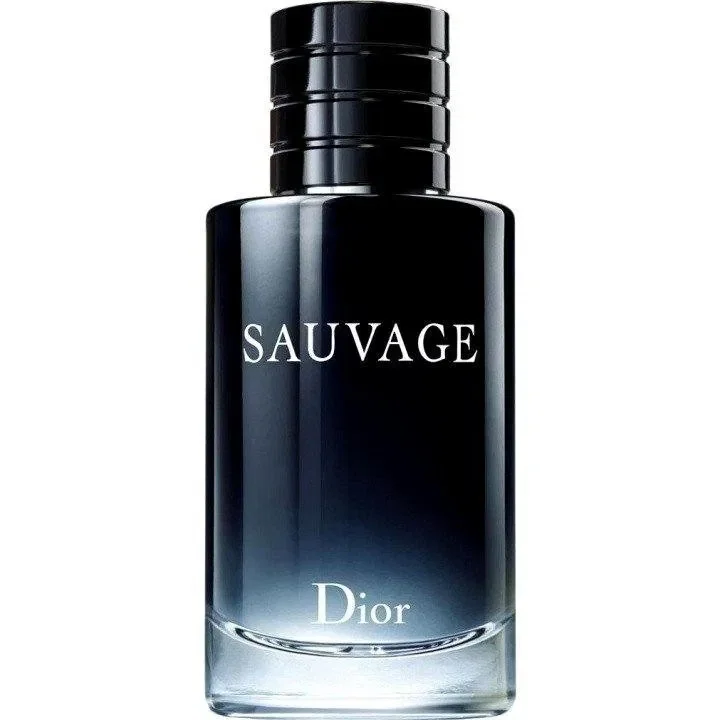
| 1. Easy pleasures | Sweet gourmands, fresh blues, fruity florals | Vanilla 28 (Kayali), Dior Sauvage, La Vie Est Belle |
| 2. The compliment phase | Perfumes chosen for reactions | Viral and crowd-pleasing bottles |
| 3. Learning the notes | Perfumes bought for structure, not just effect | Classic iris, rose or vetiver perfumes |
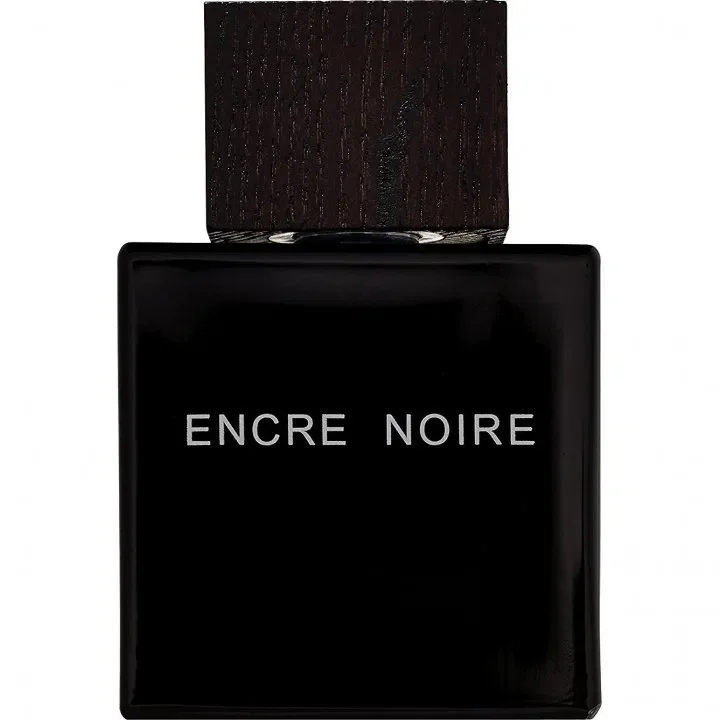
| 4. The dry turn | Woods, vetiver, incense, chypres, leather | Terre d'Hermès, Encre Noire, Mitsouko |
| 5. The challenging phase | Animalics, smoky, indolic florals, oud | Perfumes that divide a room |
| 6. The return | Something simple, worn because you love it | A cologne, a clean musk or an old favourite |
The compliment phase is where hype has the most pull and where most regret purchases happen, as why perfumes go viral explains. The return is common among long-time enthusiasts: after years of exploring, many settle on a plain signature they enjoy without needing it to prove anything.
Why your taste moves
Four mechanisms drive the change, and they build on each other.
Adaptation to a style. Wear gourmands every day and your baseline shifts: what once smelled rich starts to smell ordinary, so you need more sweetness for the same pleasure, and eventually the whole category feels flat. The same happens with fresh scents, ambers or anything else you wear constantly.
A nose that learns. As you smell more and learn note names, you start to notice how a perfume is built, not just its overall effect. Simple compositions start to sound simple. Deliberate practice speeds this up; the 30-day nose training plan is a structured way to do it.
Your body changes. Smell sensitivity shifts across a lifetime and with health and hormones. A cold, a viral infection, some medications or pregnancy can change how perfumes smell for weeks or longer, and sensitivity tends to fall gradually with age.
Your life changes. A new job, city, partner or season of life changes what feels right to wear. A perfume that suited student nights may feel wrong in a client meeting.
None of this means your earlier perfumes were worse. The instrument smelling them changed.
Growth or boredom? The two-month test
The difference matters, because boredom is the most expensive misdiagnosis in perfume: people replace bottles they would have loved again after a short break.
Boredom looks like: the perfume still smells good on someone else, you have worn it constantly for months, and a break brings it back to life.
Real change looks like: it now smells thin or one-dimensional to you, you can name why, and time away does not change your view.
The test: put the bottle out of sight for two months, then spray it on a paper strip rather than skin and smell it fresh. If it delights you again, it was adaptation. If it still feels flat, your taste has moved. How to rotate a perfume collection is the cheap way to stop adaptation happening in the first place.
Bridge perfumes for the most common shifts
When your taste moves, jump one step, not five. A "bridge" perfume keeps something you already love and adds the new direction, so you are far less likely to buy something you cannot wear. Here are four common shifts, each with a well-known bridge.
From sweet vanilla to smoky vanilla: Guerlain Shalimar Eau de Parfum
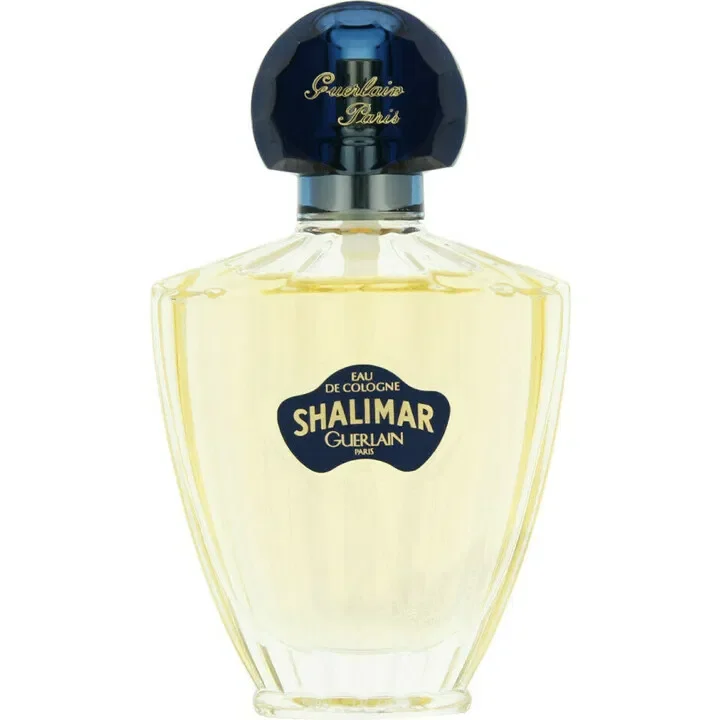
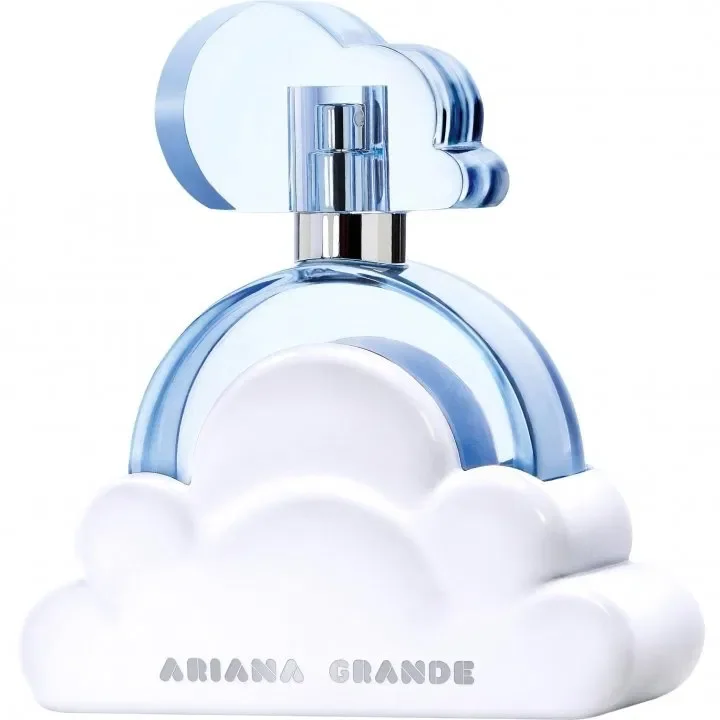
If sugary vanillas such as Vanilla 28 or Ariana Grande Cloud have started to feel too sweet, Shalimar keeps the vanilla but surrounds it with bright bergamot, iris, a touch of smoky incense and leather. Guerlain's 1925 classic by Jacques Guerlain is warm and comforting but far less sugary, and it introduces the resinous, powdery style that many people grow into. If even that is too much, try it first in a small size.
From fresh blue to dry vetiver: Hermès Terre d'Hermès Eau de Toilette
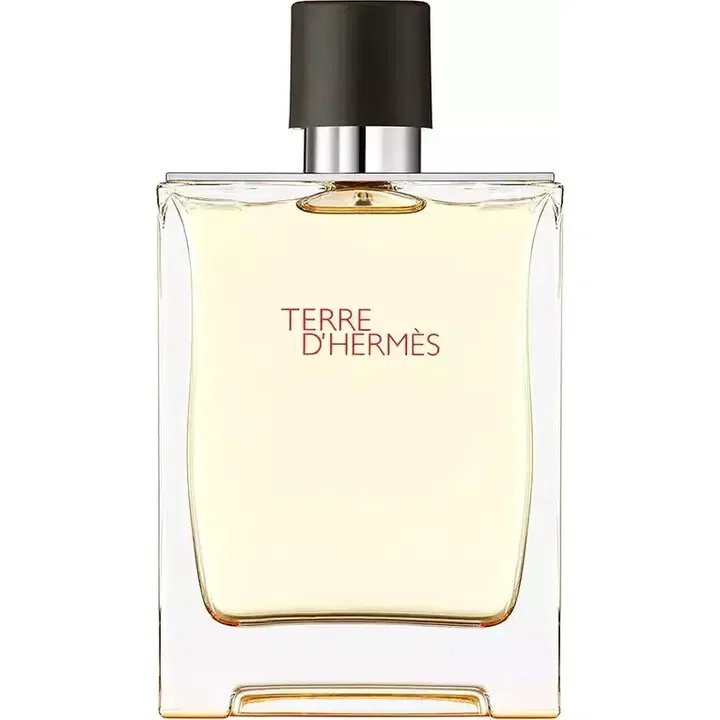
For people tired of bright fresh blues like Dior Sauvage, Terre d'Hermès (2006, Jean-Claude Ellena) is the natural next step. Hermès pairs orange and grapefruit with pepper and a mineral, flinty note over vetiver, cedar and patchouli: still fresh, but dry and earthy rather than sweet. If you then want something darker, Encre Noire by Lalique (Eau de Toilette, 2006, Nathalie Lorson) is a sombre, inky cypress and vetiver.
From fruity floral to chypre: Guerlain Mitsouko Eau de Toilette
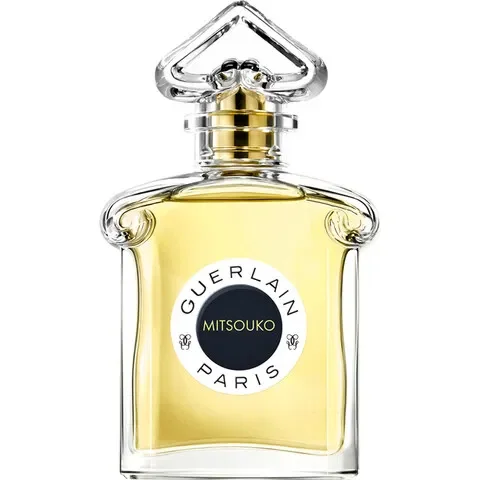
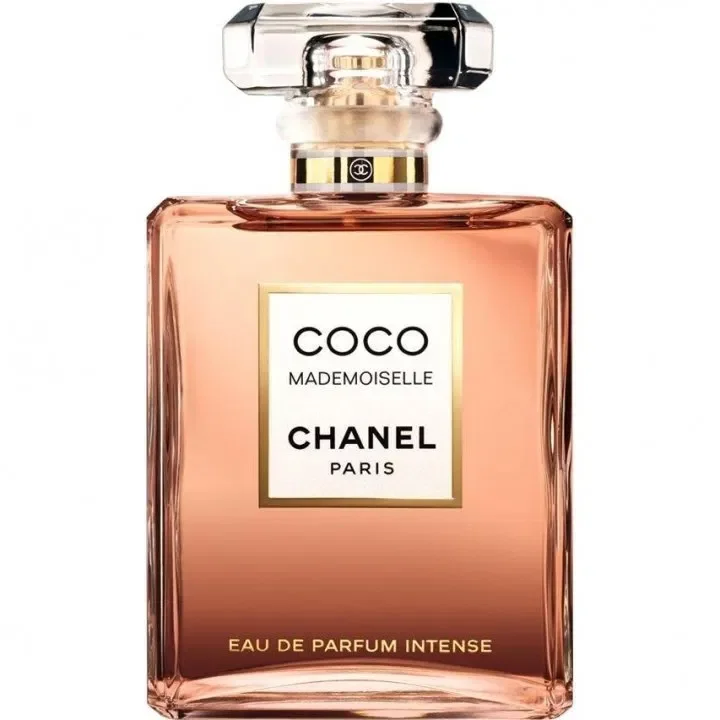
If fruity florals like La Vie Est Belle now feel too sugary, Mitsouko (Jacques Guerlain, 1919) shows where the fruit can lead: a soft peach over rose and jasmine, set on mossy, spicy, woody depth. It is one of the defining chypres, and it can feel severe at first, so wear it three times before judging. A gentler stepping stone is Chanel Coco Mademoiselle, which keeps some brightness over a patchouli base.
From clean musk to warm skin musk: Frédéric Malle Musc Ravageur
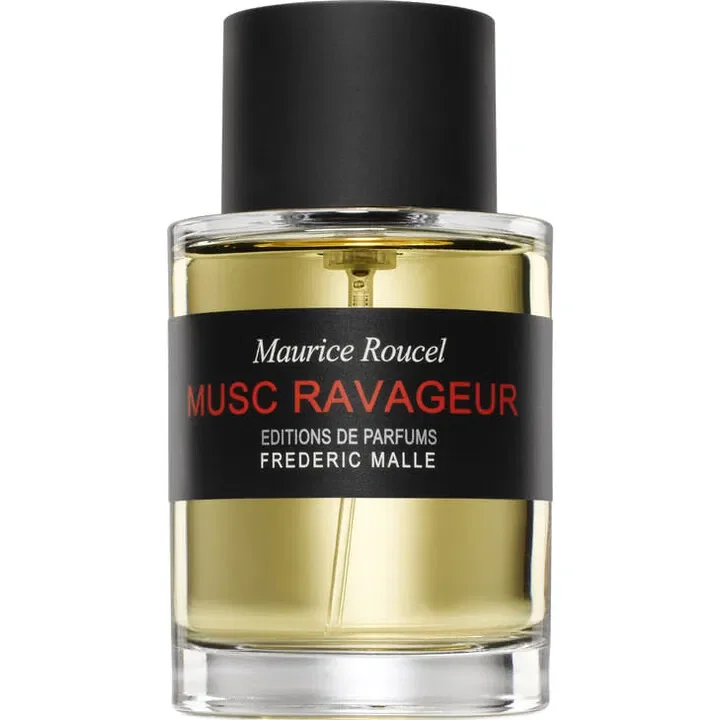
If clean, laundry-like musks now seem too polite, Musc Ravageur (Eau de Parfum, 2000, Maurice Roucel) adds warmth and sensuality: bergamot and lavender, cinnamon and clove, then vanilla, amber and a rich musk. It is a gentle introduction to the animalic side of perfume without going straight to the most challenging materials. What animalic notes are explains where that path leads.
Before buying any bridge, put it next to the perfume you are moving away from in Compare Fragrances on WhatScent to see which notes they share and where they differ.
What to do with perfumes you have outgrown
You have four sensible options, roughly in this order.
- Rest it. Six months out of sight brings a surprising number of perfumes back.
- Reassign it. A perfume that no longer works as your signature may still be perfect for summer, the gym or a particular kind of evening.
- Pass it on. Swapping, selling or gifting keeps a good perfume in use rather than ageing on a shelf. Declutter, sell, swap or donate explains each route.
- Retire it deliberately. For bottles tied to a period of your life rather than a preference, how to retire a fragrance shows how to store one so it survives.
What not to do is keep everything out of guilt. A shelf of perfumes you never wear is a storage problem, not a collection.
How to see your own taste change
You will not remember your past taste accurately. People tend to recall it as closer to what they like now, so the only reliable view is a record.
Log what you wear in the WhatScent Journal, every wear rather than only the memorable ones, with one line about why you chose it. Over months, your Scent DNA shows the notes, accords and families you actually reach for and how they are shifting, so you can see a move from gourmand toward woody in your own data instead of guessing. How to keep a scent journal covers the habit, and Scent DNA explained shows what the profile includes.
Frequently Asked Questions
Q1: Why has my taste in perfume changed?
A: Mostly through adaptation and learning. Wearing one style constantly makes it feel less vivid, and smelling more perfumes teaches you to notice structure, so simple scents start to seem thin. Changes in health, hormones and age, and changes in your daily life, also shift what you enjoy.
Q2: Why don't I like my favourite perfume anymore?
A: Usually overexposure. Put it away for two months and smell it on a paper strip; if it delights you again, it was adaptation. If it smells sour or flat, the bottle may have oxidised, and if a new bottle smells different from your old one, it may be a reformulation or batch difference.
Q3: Why does my perfume smell different now?
A: Check the bottle first: oxidation from heat, light and air can make the opening sharp or flat and the liquid darker. A new bottle can also differ after a reformulation. If many perfumes or foods smell different at once, your sense of smell has probably changed, which is common after a cold or viral infection.
Q4: Do people's perfume tastes go from sweet to dry?
A: It is a very common pattern: many people start with sweet, fresh or fruity crowd-pleasers and move toward woods, vetiver, chypres and incense as their nose learns. It is not universal, and many long-time enthusiasts later return to simple scents they simply enjoy.
Q5: Can pregnancy change your taste in perfume?
A: Yes. Many people find their sense of smell becomes more sensitive during pregnancy, so favourite perfumes can suddenly feel too strong or unpleasant. The change is often temporary, so it is worth waiting before selling or giving bottles away.
What to do next
Pick the perfume you have stopped wearing and run the two-month test, then log the result in the WhatScent Journal so you know whether your taste really moved. If it did, add the matching bridge perfume to your To Try list in the Wishlist and sample it first. WhatScent is free on iPhone and Android.
Related reads:
- How to rotate a perfume collection to stop favourites going stale
- Perfume oxidation and shelf life to check whether the bottle is the problem
- Scent DNA explained to see what your wears say about your taste