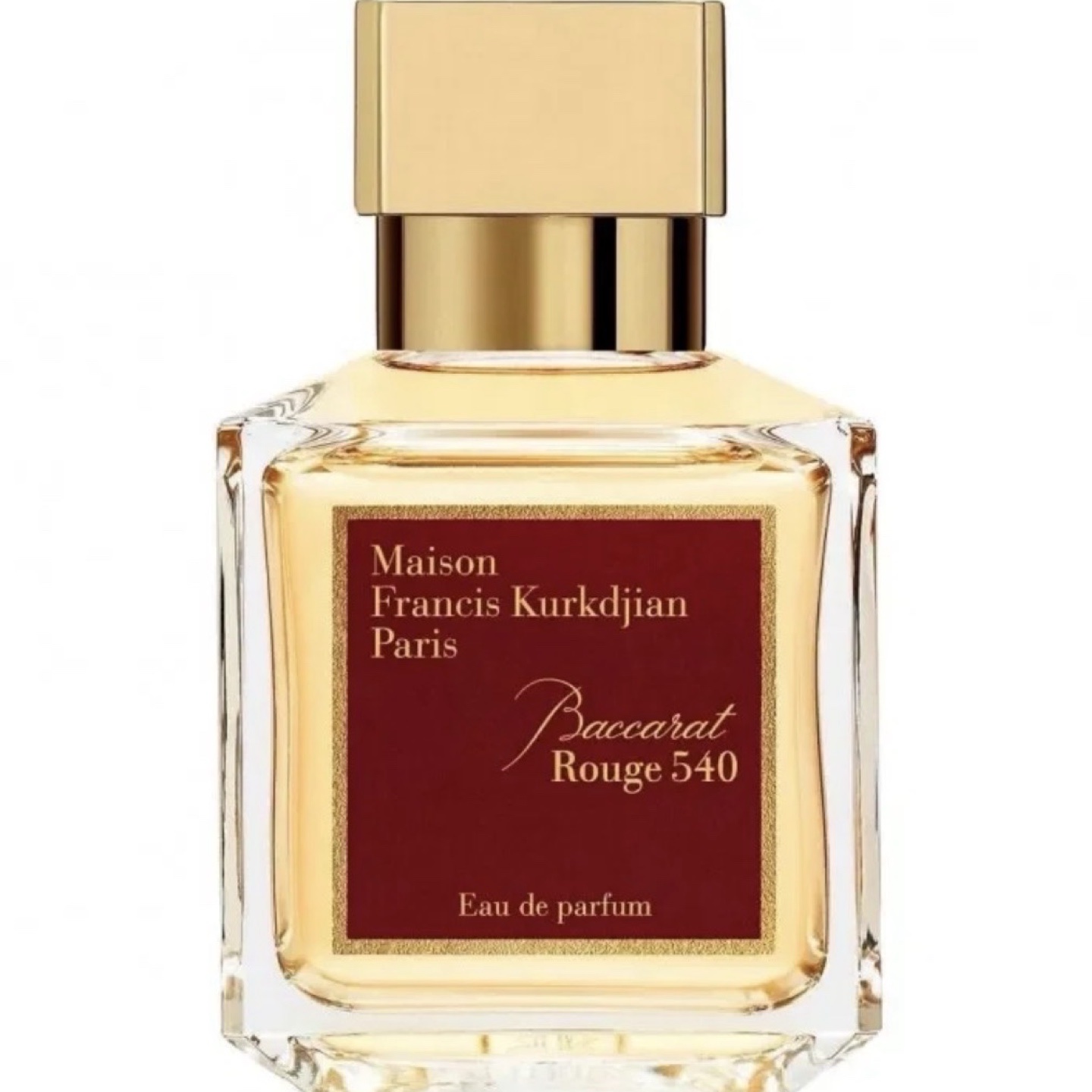
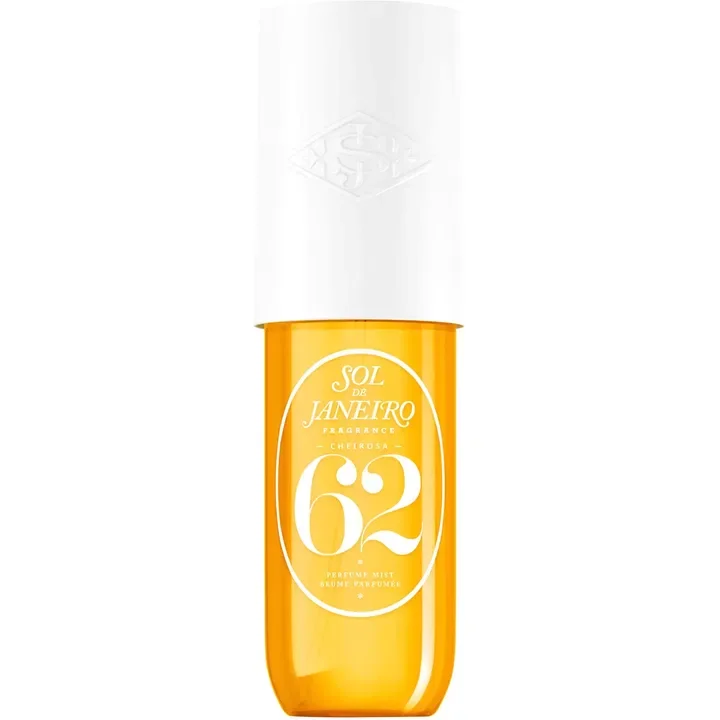
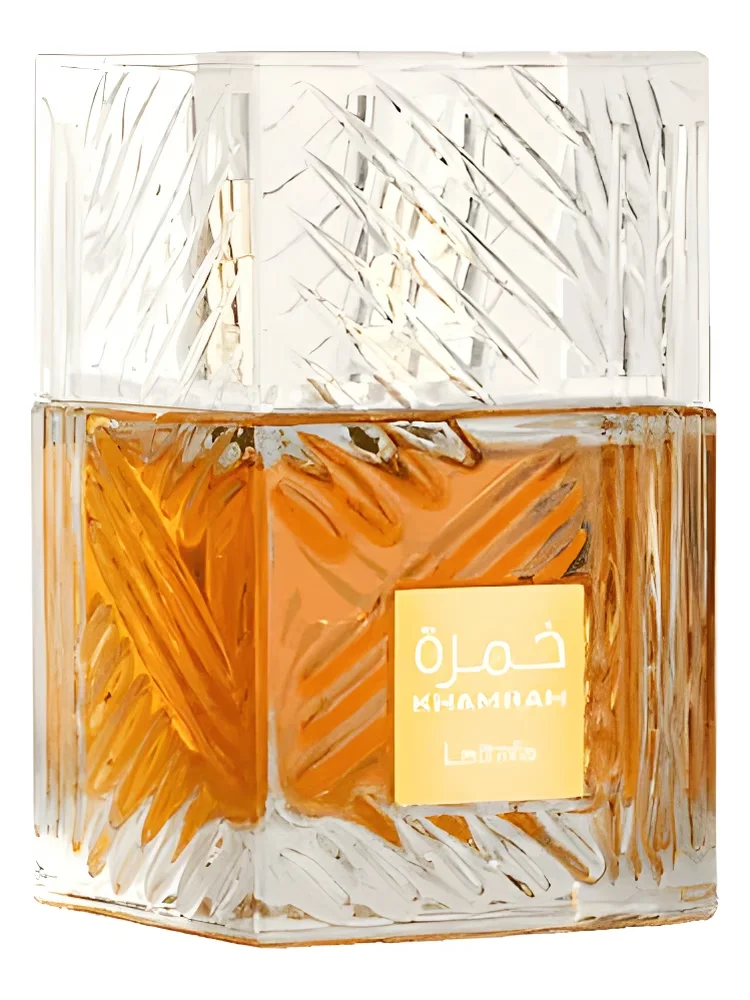
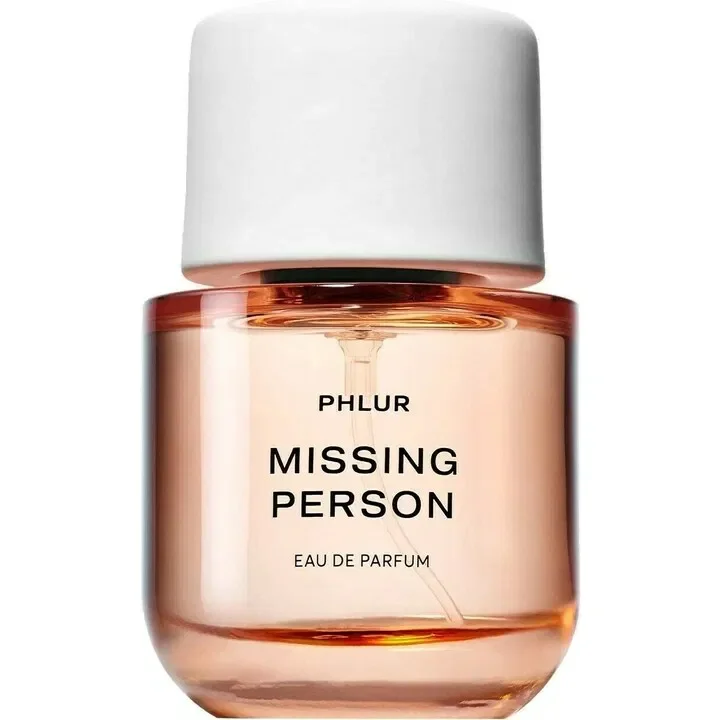
Perfumes go viral when they can be sold without being smelled. Nobody can smell a phone screen, so the perfumes that spread online are the ones that can be summed up in one sentence, make a claim a creator can repeat, cost little enough for viewers to act on the spot, and are briefly hard to get. Baccarat Rouge 540, Sol de Janeiro's Cheirosa 62, Lattafa Khamrah and Phlur Missing Person each fit at least four of the six traits below.
Knowing the pattern does not spoil the fun. It tells you which part of the hype is about the smell and which part is about the format, so you can decide whether the next viral bottle suits you before you buy it.
Key Takeaways
- A viral perfume is describable in one sentence. "Smells expensive", "pistachio ice cream", "smells like someone you miss".
- Videos sell claims, not smells. Longevity, compliments or an emotional story are what travel.
- Low prices turn views into sales. That is why affordable alternatives often sell more than the perfume that went viral.
- Scarcity speeds everything up. A sell-out is itself content.
- Use virality to discover, not to decide. Sample, wear it three times and compare it with what you own.
Table of Contents
- What makes a perfume go viral, at a glance
- 1. A smell you can sum up in one sentence
- 2. Familiar and sweet, with one surprise
- 3. A claim a video can make
- 4. A price that lets viewers act
- 5. Short supply
- 6. A conversation worth joining
- The viral perfume life cycle
- How to tell if a viral perfume is right for you
- Frequently Asked Questions
- What to do next
Discover Your Next Signature Fragrance
Join a community of fragrance lovers. Honest reviews, scent stories and discovery shaped by people with your taste. Get access to the app today.
Live now • Free • Public launch 2026
What makes a perfume go viral, at a glance
A perfume goes viral when it has most of these six traits. None of them is "it smells better than everything else", which is why so many beautiful perfumes never trend.
| Trait | Why it works online | Example |
|---|---|---|
| One-sentence smell | Viewers repeat a phrase, not a note pyramid | Baccarat Rouge 540: "smells expensive" |
| Familiar and sweet, one twist | Easy to like on first sniff, easy to describe | Cheirosa 62: pistachio over salted caramel |
| A claim a video can make | Longevity, compliments or emotion can be said on camera | Missing Person: "smells like a person you miss" |
| Low price | Viewers can buy on impulse, then post their own video | Khamrah, Club de Nuit Intense Man |
| Short supply | A sell-out or restock becomes news | Missing Person selling out after launch |
| A conversation | Owning it means joining a shared moment | Every "is it worth the hype?" video |
The rest of this guide explains each trait. For the perfumes themselves, the viral TikTok perfumes that lasted into 2026 is the shortlist, and TikTok perfume reviews, hype vs reality checks five of them against the claims.
1. A smell you can sum up in one sentence
The most important trait is a smell that fits in one phrase. A perfume that needs a paragraph to explain does not spread, because each viewer has to retell it in their own words.
Baccarat Rouge 540 from Maison Francis Kurkdjian (Eau de Parfum, 2015) is the model case. The house describes jasmine, saffron, an ambergris accord with dry woods and a burnt-sugar sweetness, but online it became simply the perfume that "smells expensive", years after its launch. That phrase did more selling than any description of its notes.
The same logic explains the phrases you see under every viral bottle: "smells like a bakery", "smells like clean skin", "smells rich". If you cannot describe a perfume in five words after one sniff, it is unlikely to trend, however good it is.
2. Familiar and sweet, with one surprise
Viral perfumes are usually sweet, warm and familiar, with exactly one unexpected twist. Sweetness is the quality almost everyone recognises and likes on first contact, so it divides a mass audience least, which is why the gourmand family has dominated the viral era.
The twist gives the video its hook. Cheirosa 62, the scent of Sol de Janeiro's Brazilian Bum Bum Cream, also sold as a body mist, puts pistachio and almond over salted caramel and vanilla. Khamrah by Lattafa (Eau de Parfum, 2022) puts dates, cinnamon and praline over vanilla and benzoin. Both are comfort scents with one detail people can name.
What rarely goes viral: chypres, dry vetivers, mossy woods, austere iris and anything genuinely challenging. They are not worse; they simply do not translate into a phrase and a reaction shot.
3. A claim a video can make
A video cannot show a smell, so it shows a claim instead, and three kinds of claim travel best.
Performance claims. "Lasted twelve hours", "my car still smells of it", "people stopped me in the street". These favour loud, long-lasting perfumes, which is why strong projectors dominate viral lists. Treat the numbers with care: people stop smelling their own perfume within minutes and noses vary widely, as why people smell things differently explains. Perfume review slang decoded translates "beast mode" and the rest.
Compliment claims. "I get compliments every time." Unverifiable, but powerful, because compliments are what many viewers want from a perfume.
Emotional stories. This is how quiet perfumes break through. Missing Person by Phlur (Eau de Parfum, 2022), a soft blend of bergamot, jasmine, white musk and sandalwood, spread because it was described as smelling like a person you love and miss. A skin scent has no performance to boast about, but it can carry a story. Why skin scents are so popular covers the quieter side of the trend.
4. A price that lets viewers act
Attention only turns into sales when viewers can buy on impulse. A perfume in the niche luxury tier spreads slowly because most of the audience cannot act on the urge; an affordable one converts views into purchases at once, and every purchase produces another video.
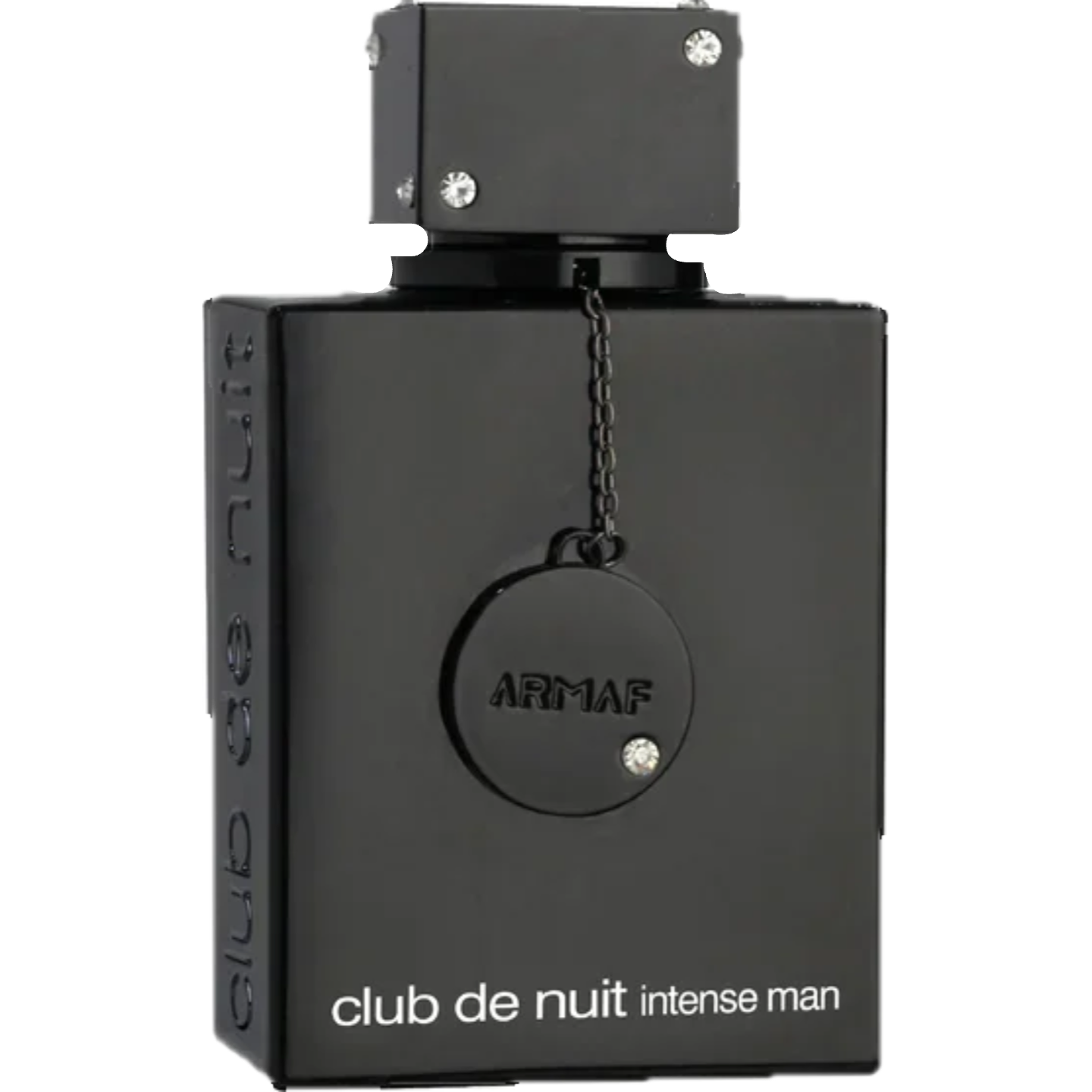
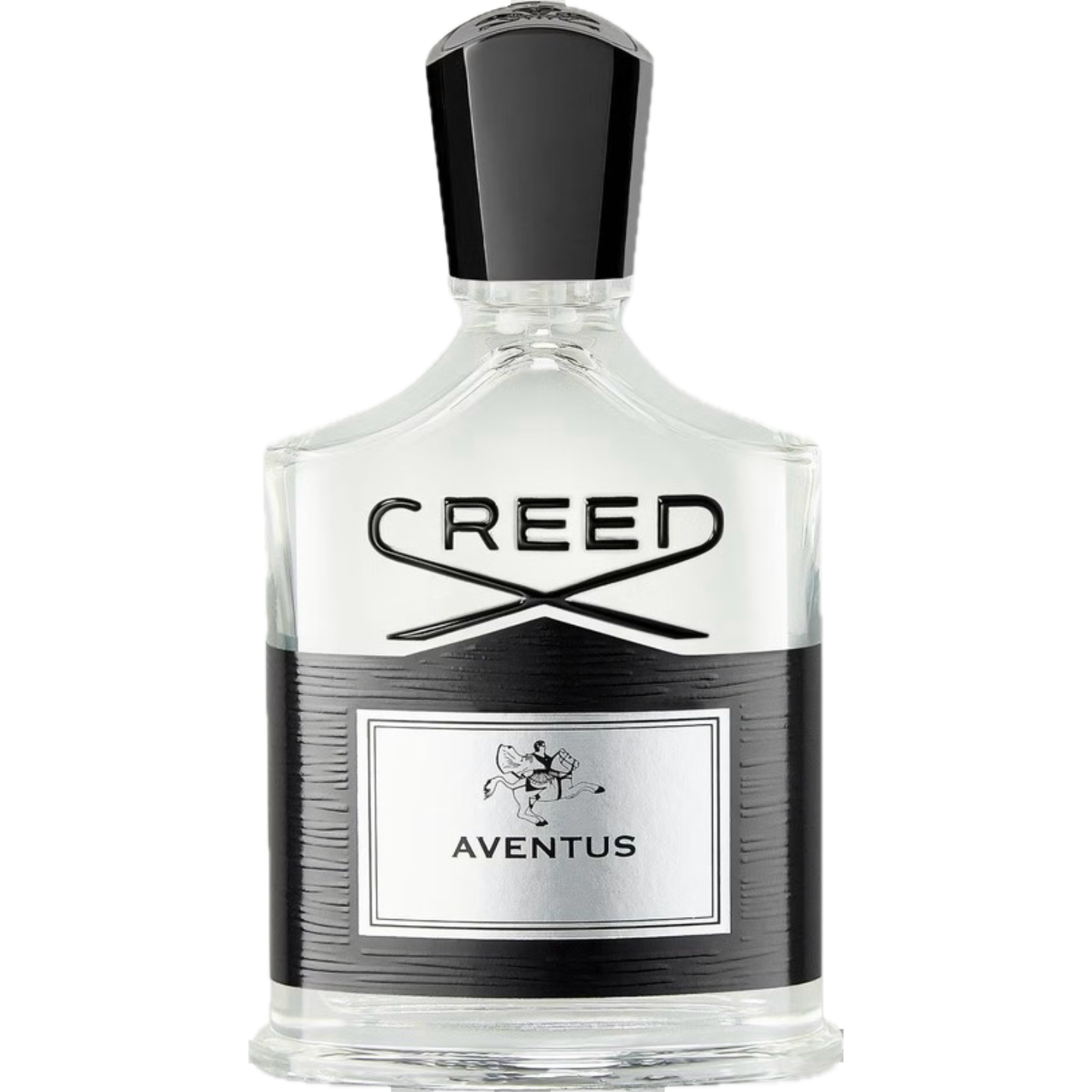
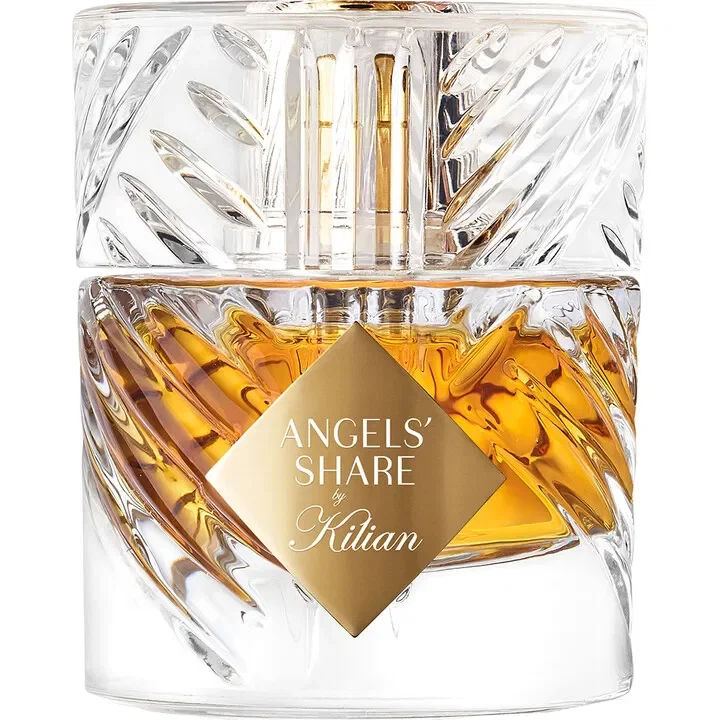
That creates a second effect: when an expensive perfume goes viral, the affordable alternative often sells more. Armaf Club de Nuit Intense Man (Eau de Parfum, 2015) rode the fame of Creed Aventus, and Khamrah is widely compared to Kilian Angels' Share (2020). Aventus vs Club de Nuit Intense Man and the Khamrah review show how close those pairs really are, and alternatives to Baccarat Rouge 540 covers the most copied viral perfume of all. If you want the smell without the price, the WhatScent Dupe Finder lists perfumes built like the viral one.
5. Short supply
Nothing spreads a perfume faster than not being able to buy it. A sell-out turns a purchase into an event, each restock announcement starts a fresh wave of videos, and a regional exclusive becomes a trophy elsewhere.
Missing Person is the clearest example: fashion press reported that it sold out almost as soon as it launched in 2022, and every restock became news of its own. Not all scarcity is planned, but limited drops, "back in stock" posts and discontinuation rumours all work the same way: the fear of missing out does much of the selling. Are limited editions worth buying? explains how to tell a genuine rarity from a marketing drop.
6. A conversation worth joining
With food, clothes or makeup, a video shows you the product. With perfume, it shows a bottle and a person's reaction, so what people consume first is the conversation. Owning the bottle everyone is discussing is a way of being part of the moment, and that is a real pleasure, not something to sneer at.
It does change what spreads. Bold verdicts, "smells like" comparisons and "is it worth the hype?" debates get more attention than careful description, so the loudest opinion is rarely the most accurate one. Viral fragrance trends explained looks at how whole trends, not just single bottles, catch on.
The viral perfume life cycle
Most viral perfumes follow the same arc, and knowing where a bottle is on it helps you decide whether to buy now or wait.
| Stage | What happens | What it means for you |
|---|---|---|
| Discovery | One creator posts it | Too early to judge; note it and find a sample |
| Ignition | More creators repeat the claim, often bigger | Expect exaggerated longevity reports |
| Sell-out | Stock runs out, restocks are announced | Do not pay resale prices; most perfumes restock |
| Backlash | The same audience calls it overrated | Usually about ubiquity, not the liquid |
| Settlement | It either stays in rotation or quietly fades | The real verdict, a year later |
The backlash is rarely about the perfume. Once something is everywhere, wearing it stops signalling taste, but nothing in the bottle has changed. The useful signal is whether people still wear it a year later, which evergreen vs hype perfume turns into a checklist. Trending in WhatScent shows Today's Most Worn alongside Most Wanted, which separates the perfumes people actually wear from the ones they simply want.
How to tell if a viral perfume is right for you
Treat virality as a pointer, not proof. A five-step check stops most regret buys.
- Translate the hype into notes. "Smells expensive" means nothing on your skin; look up what the perfume is actually made of.
- Check it against what you own. Viral profiles are narrow, so many viral buys duplicate a bottle already on your shelf. Put the two side by side in Compare Fragrances.
- Get a sample or decant first. Sampling strategy before buying shows how to do it cheaply.
- Wear it three times, on different days, and judge it at hour one and hour four, not in the first minute.
- Wait out the sell-out. Almost everything restocks, and a week's wait tells you whether you still want it.
If you do buy blind, the risks of blind buying covers how to limit the damage, and why price does not equal quality is a useful reminder that neither a high nor a low price tells you much about the smell.
Frequently Asked Questions
Q1: Why do perfumes go viral?
A: Because a few traits work without the smell: a scent that fits in one sentence, a claim a video can repeat about longevity, compliments or emotion, a price low enough for impulse buying, and a period of short supply. Perfumes with most of these traits spread fast, whether or not they are the best in their style.
Q2: Are viral perfumes worth it?
A: Some are excellent and stay popular for years, such as Baccarat Rouge 540; others fade once the attention moves on. Virality rewards being easy to describe and buy rather than quality, so sample a viral perfume and wear it a few times before buying a full bottle.
Q3: Why are so many viral perfumes sweet?
A: Sweet, warm scents such as vanilla, caramel and praline are liked by the widest audience on first sniff and are easy to describe in a phrase. A short video rewards exactly that, so gourmands dominate viral lists.
Q4: Can a soft skin scent go viral?
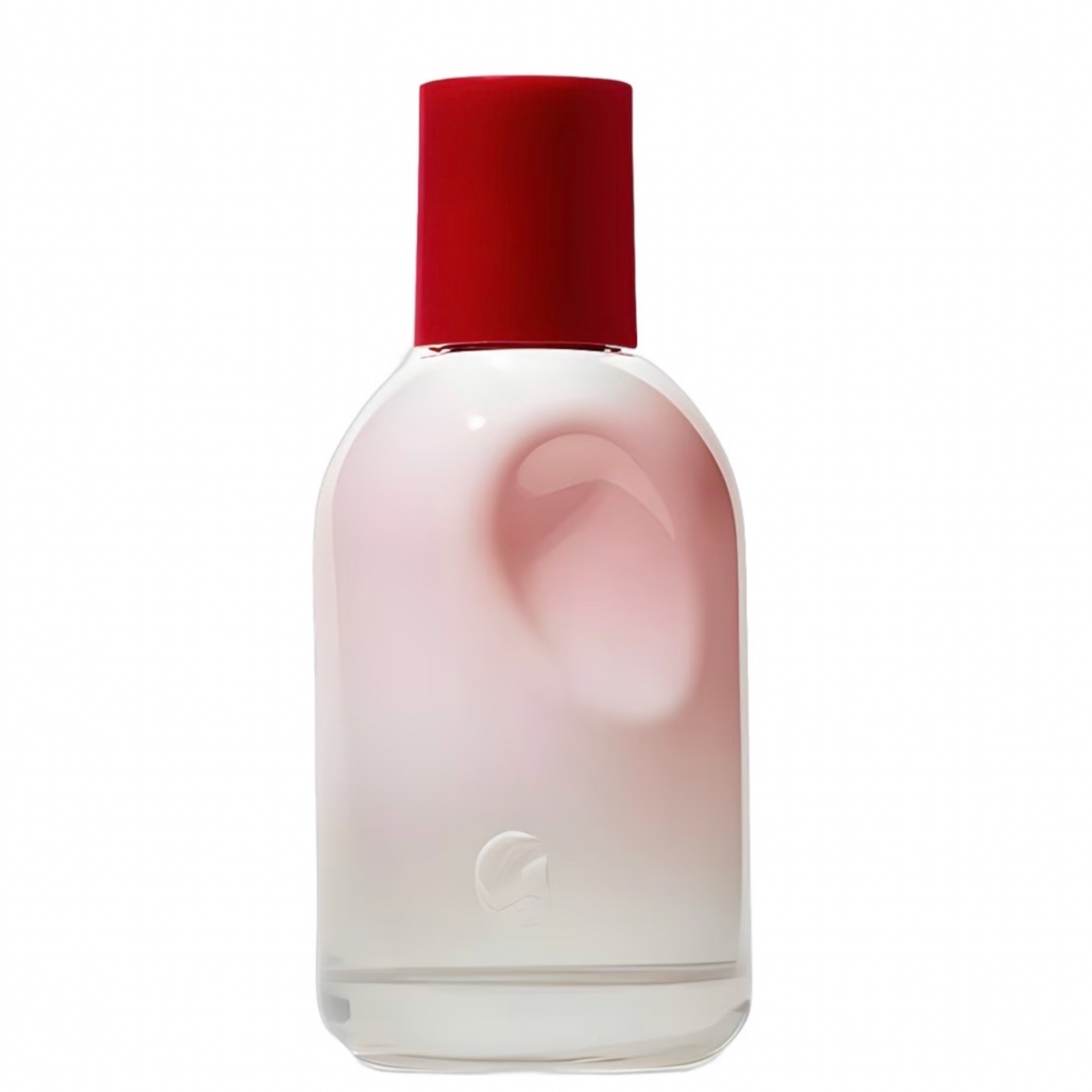
A: Yes, but through a story rather than performance. Phlur Missing Person spread because it was described as smelling like someone you miss, and Glossier You as smelling like your own skin, only better. Neither relies on projection claims.
Q5: Why do people turn against viral perfumes?
A: Mostly because the perfume becomes everywhere, so wearing it no longer feels personal. The backlash is about ubiquity rather than the scent itself, and the perfumes that are still worn a year later are usually the genuinely good ones.
What to do next
Before you chase the next sell-out, add it to your To Try list in the WhatScent Wishlist and get a sample, then log your three test wears in the Journal to see if the hype survives your skin. WhatScent is free on iPhone and Android.
Related reads:
- Viral TikTok perfumes that lasted into 2026 for the shortlist of survivors
- Evergreen vs hype perfume for how to spot a future classic
- Alternatives to Baccarat Rouge 540 for the most copied viral scent