A limited edition perfume is worth it when the fragrance itself is new or genuinely scarce and you have smelled it; it is rarely worth a premium when only the bottle or box changed. Most holiday and "collector" bottles hold the standard juice. A smaller group, such as seasonal variations like the CK One Summer editions, new compositions and boutique exclusives, really is different, and a few are genuinely hard to find later.
The difference is knowable before you buy. This guide sorts limited editions into four kinds, gives you four checks for whether the liquid changed, and explains when scarcity is real, when to buy, when to pass, and what happens to resale value. If your question is whether to buy a limited edition or the permanent version of a perfume, our comparison of signature lines vs limited editions answers that directly.
Key Takeaways
- Ask whether the juice changed. Most limited editions are packaging only.
- Scarcity is usually manufactured. Almost everything restocks.
- Regional exclusives are the most genuinely limited category. Harder to get, and it stays that way.
- Buy the smell, never the bottle. Unless you are collecting objects, which is a different hobby.
- Resale value is unpredictable. Treat any investment framing with suspicion.
Table of Contents
- The four kinds of limited edition
- How to tell whether the liquid changed
- When scarcity is real
- The FOMO mechanics
- When it is genuinely worth buying
- When to pass
- A word on resale
- Frequently Asked Questions
- What to do next
Discover Your Next Signature Fragrance
Join a community of fragrance lovers. Honest reviews, scent stories and discovery shaped by people with your taste. Get access to the app today.
Live now • Free • Public launch 2026
The four kinds of limited edition
They are not all the same thing, and the label covers products with wildly different value.
1. Repackaging. Identical fragrance, decorated bottle, seasonal box. Extremely common, particularly around the end of the year. You are buying the object.
2. Seasonal variation. A modified version of an existing fragrance, usually lighter for summer or richer for winter. This is a flanker with a limited run attached, and it is a genuinely different smell.
3. Genuinely limited composition. A distinct fragrance produced in a restricted quantity, frequently as an anniversary release or a collaboration. The rarest category and the one worth attention.
4. Regional or boutique exclusive. Not time-limited but place-limited. Available only in certain markets or only in a brand's own boutiques. Often the most genuinely difficult to obtain.
Sorting a specific product into one of these four is most of the decision.
| Kind | Is the smell different? | Will it come back? | Example |
|---|---|---|---|
| Repackaging | No | The juice never left | Holiday or "collector" bottles of a bestseller |
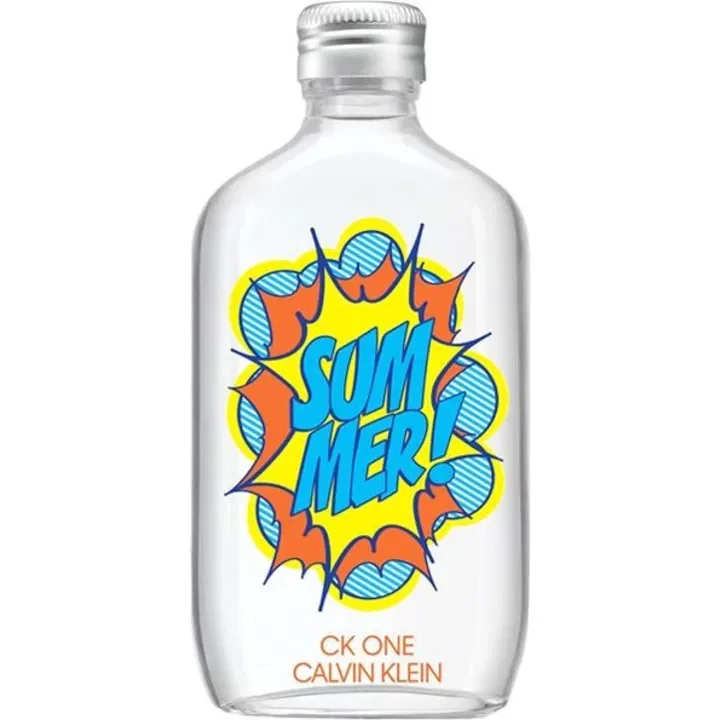
| Seasonal variation | Yes, usually lighter or richer | Often replaced by next year's version | Calvin Klein's yearly CK One Summer editions |
| Limited composition | Yes | Sometimes, if it sells well | Anniversary releases and collaborations |
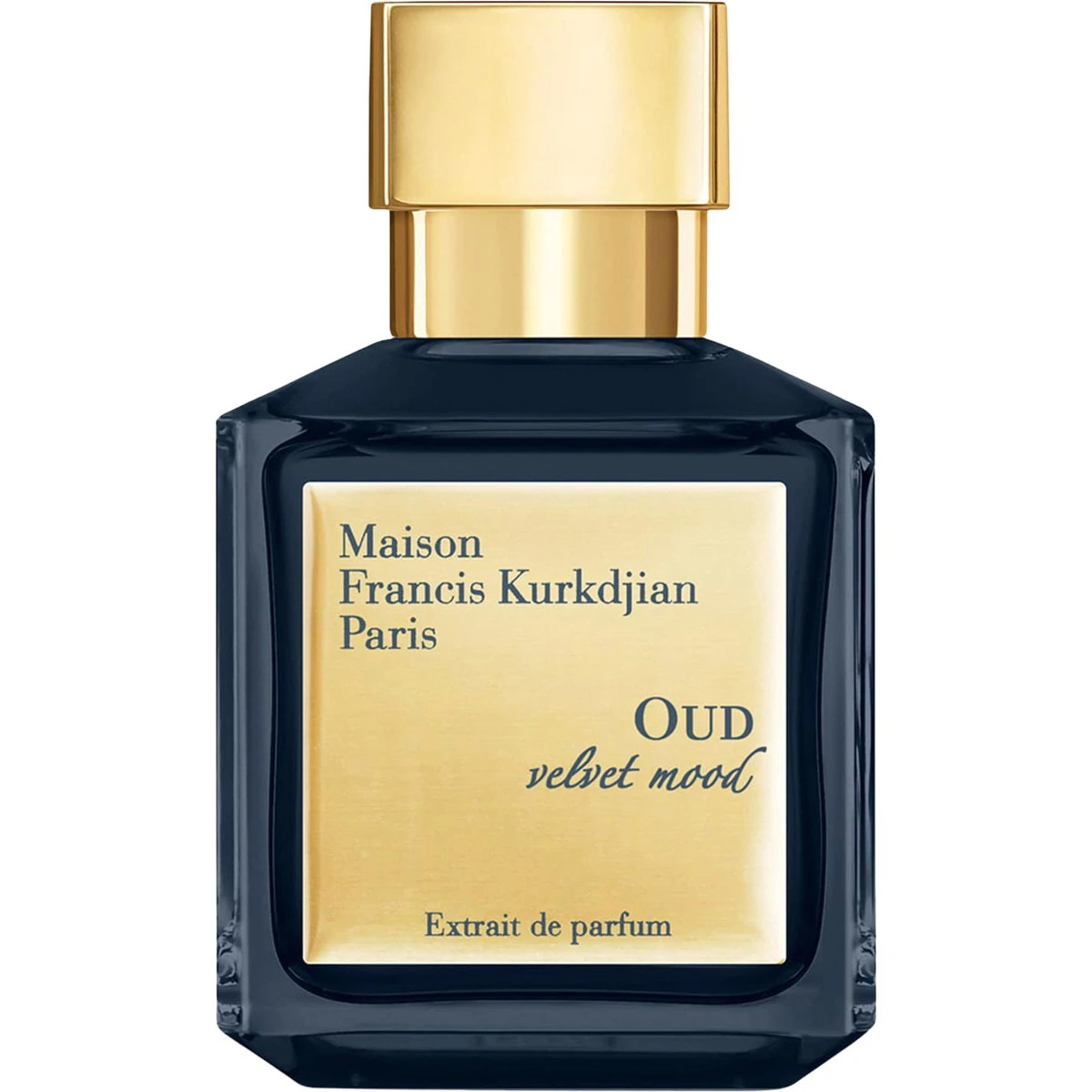
| Regional or boutique exclusive | Yes | Stays limited by place | MFK's reworked Oud Velvet Mood Extrait de Parfum, a Harrods exclusive from March 2026 |
Seasonal variations are a good test of the "different smell" rule: CK One Summer 2019, for instance, was a different composition from the original CK One, sold for one summer and then replaced.
How to tell whether the liquid changed
Four checks, all of them available before purchase.
Compare the note lists. If the pyramid is identical to the standard version, the liquid almost certainly is too. If notes have been added, removed or reordered, something has changed. In WhatScent, Compare Fragrances puts the two side by side so you can see where the notes and accords diverge, rather than reading two pages and trying to hold both in your head.
Check the concentration. A limited edition at a different concentration is a different fragrance, whatever the marketing says. What Elixir and Intense actually mean covers the vocabulary.
Read what the brand actually claims. Houses are usually explicit when a composition is new, since it is a selling point. Vague language about a special edition, with no mention of the fragrance itself, generally means packaging.
Check the volume and format. Limited editions frequently come in unusual sizes, which affects value per millilitre considerably. Price per millilitre is the arithmetic.
When scarcity is real
Genuine and manufactured scarcity look identical from outside, and they behave very differently over time.
Usually manufactured: annual seasonal editions, holiday packaging, restocked drops, anything a brand has done every year for a decade.
Sometimes genuine: anniversary compositions, collaborations with a defined end, releases tied to a material with a real supply constraint.
Usually genuine: discontinuations, boutique exclusives from houses with few boutiques, and regional releases that never travel.
The most reliable signal is history. If the brand released a limited edition last winter and the winter before, this one is a seasonal product with an urgency label. If a composition has never existed before and is tied to a specific occasion, the constraint is more likely to be real.
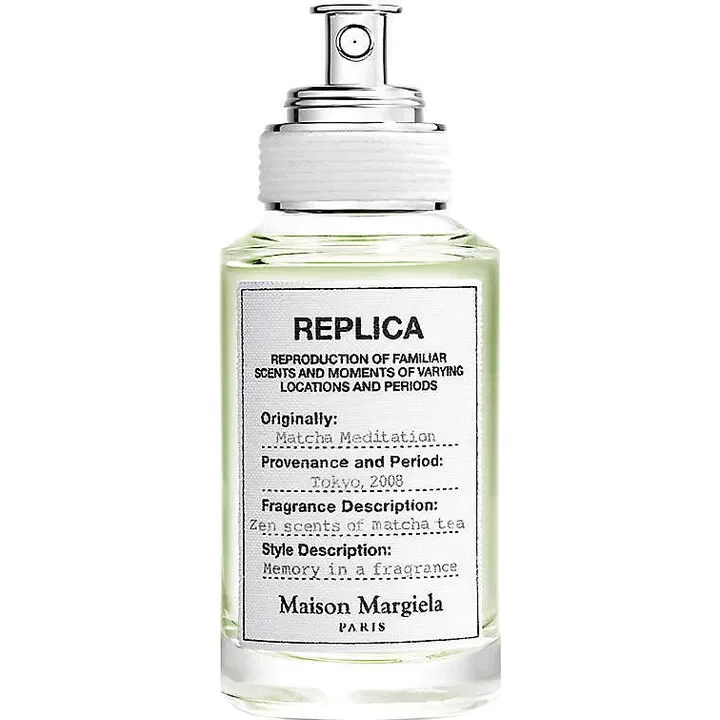
Discontinuation is the genuinely painful case, because it is usually noticed after the fact: Maison Margiela's Matcha Meditation (2021), for example, simply disappeared from the house's Replica range, and the remaining bottles moved to resale. Where to buy rare or discontinued perfume covers what to do when you were too late, and when to stock up ahead of a reformulation covers the anticipatory version.
The FOMO mechanics
Worth naming, because seeing the technique defuses most of it.
The countdown. A stated release time converts a purchase into an event.
The restock announcement. Generates a fresh wave of attention for a product that already exists, repeatedly.
Sold out messaging. Frequently the most effective sales tool available, and sometimes still displayed while stock exists elsewhere.
Influencer synchronisation. Multiple creators posting within a short window creates the impression of a moment.
Regional gating. Making something available in one market turns it into a trophy in another.
None of this is unique to fragrance and all of it works. Why perfumes go viral covers the wider cycle, and the honest defence is simply time. Almost nothing you miss is genuinely unobtainable, and the feeling of urgency fades within a week.
When it is genuinely worth buying
Five situations where pouncing is reasonable.
You have smelled it and you love it. The only reason that always holds.
It is a genuinely new composition from a house you already trust. Meaningful odds it is worth having.
It is a boutique or regional exclusive and you are physically there. Buying it now avoids paying a substantial premium later.
It is a seasonal variation that solves a real problem. A lighter version of a fragrance you already own and cannot wear in summer is a practical purchase rather than a collectible one.
You collect bottles as objects. Entirely legitimate, and worth being honest that this is what you are doing. Perfume display ideas and cataloguing a collection are the relevant guides.
When to pass
You have not smelled it. Blind buying a limited edition combines two risks. Blind buying risks covers mitigating them.
The note list is identical to the standard version. You are paying a premium for a box.
The brand does this every year. It is a seasonal product, not a rarity.
You already own something very similar. The most common regret purchase in fragrance, and checking it against your own Shelves first takes a minute. If you only want the smell, the Dupe Finder can suggest permanent perfumes built along similar lines.
You are buying because it might be worth something. See below.
The urgency is doing the deciding. If you would not buy it without the countdown, the countdown is the product.
A word on resale
Some discontinued and limited fragrances do appreciate substantially. Most do not.
Three honest points.
Prediction is very hard. The fragrances that became valuable were mostly not the ones people expected at the time. Buying speculatively is closer to gambling than to investing.
Condition and storage decide everything. A bottle stored badly is worth little regardless of rarity, and fragrance degrades with heat, light and air. Storage basics and preventing oxidation are not optional if resale matters.
The market is full of fakes at the rare end. Precisely because prices are high and buyers cannot verify easily. The perfume authenticity checklist and how to spot fake perfume apply with extra force.
The sane position is to buy fragrance to wear it. If something you love appreciates, that is a pleasant surprise rather than a plan. Rare and vintage perfumes covers the collecting side properly.
Frequently Asked Questions
Q1: Are limited edition perfumes worth buying?
A: Only if the fragrance itself is different or you genuinely love it. Most limited editions are the standard fragrance in decorated packaging, so the premium buys an object rather than a new smell. Genuinely new compositions and boutique exclusives are the exceptions worth attention.
Q2: How can I tell if a limited edition is a different fragrance?
A: Compare the note lists and the concentration against the standard version, and read what the brand actually claims. Houses are explicit when a composition is new because it is a selling point, so vague language about a special edition usually means packaging only.
Q3: Do limited edition perfumes increase in value?
A: Some do and most do not, and predicting which is very difficult. Storage condition matters as much as rarity, and the rare end of the market has a significant counterfeit problem. Buying speculatively is closer to gambling than investing.
Q4: Will a limited edition perfume be restocked?
A: Usually. Annual seasonal editions and drops that have run before almost always return in some form. Anniversary compositions, collaborations with a defined end and discontinued fragrances are the genuinely finite cases.
Q5: Should I buy a limited edition without smelling it?
A: Ideally not. Blind buying combines the risk of not liking the fragrance with the premium paid for scarcity. If it is a repackaged version of something you already know and love, the risk is low, and a genuinely new composition deserves sampling first.
What to do next
Before the next countdown, put the limited version and the standard one side by side in Compare Fragrances in WhatScent, and save anything you are tempted by to your Wishlist under To Buy for a week. If you still want it after seven days, it was not the urgency talking. WhatScent is free on iPhone and Android.
Related reads: