Oud is expensive because real oud, or agarwood, only forms when an Aquilaria tree is wounded and infected, takes years to develop, yields a tiny amount of oil, is protected by international trade rules, and is wanted intensely by buyers across the Gulf and Asia who burn and wear it. The finest grades of oud oil and agarwood chips are often said to cost more than gold by weight. Most oud perfumes on Western shelves, however, rely mainly on oud accords built from other materials, so their price says more about the brand than about the agarwood inside.
This guide explains the five reasons, how prices differ between oud oil, chips and perfume, what plantation oud has changed, and how to buy real oud without overpaying.
Key Takeaways
- Oud forms only in a sick tree. No wound and infection, no resin, no oud.
- The yield is tiny and slow. A large mass of wood distils into very little oil, after years of resin formation.
- Trade is controlled under CITES, which adds cost and paperwork to every legal shipment.
- The best oud never reaches perfume bottles. It is bought to burn and wear as oil.
- Do not pay a premium for the word "oud". Pay for a composition you love, or buy a small amount of real oil.
Table of Contents
- Why is oud so expensive? 5 reasons
- Is oud more expensive than gold?
- Oud oil, chips and oud perfume: where the money goes
- Does plantation oud make it cheaper?
- How to buy real oud without overpaying
- Frequently Asked Questions
- What to do next
Discover Your Next Signature Fragrance
Join a community of fragrance lovers. Honest reviews, scent stories and discovery shaped by people with your taste. Get access to the app today.
Live now • Free • Public launch 2026
Why is oud so expensive? 5 reasons
1. It only forms when the tree is sick
You can plant lavender and harvest lavender, or plant roses and harvest roses. You cannot plant Aquilaria trees and harvest oud, because a healthy tree contains none.
Agarwood forms when the tree is wounded and infected by certain fungi, and it responds by producing a dark, fragrant resin that saturates the heartwood. Without that, the wood is pale and almost odourless. Every other natural perfume material is a crop; oud is a defence reaction, and that is very hard to schedule.
2. The yield is tiny
Even in an infected tree, only part of the wood is resinous, and only part of that is high grade. Distilling oud oil means soaking and processing a large mass of wood chips to obtain a very small amount of oil, which is why it is sold by the tola (about 12 millilitres) or even by fractions of a millilitre.
Grading multiplies the effect. Resin content varies hugely between trees and even within one tree, and the gap between an ordinary grade and an exceptional one is enormous in both smell and price.
3. It takes years and cannot be rushed
A tree has to grow for years before it is worth wounding or inoculating, and then needs more years for meaningful resin to form. Capital is tied up for a long time with an uncertain result, and supply cannot react to demand. If oud becomes fashionable this year, no amount of money makes more of it this year.
4. Trade is legally controlled
Over-harvesting of wild trees led to international protection. Aquilaria malaccensis was listed in CITES Appendix II in 1994, and the rest of the Aquilaria genus and the related Gyrinops genus followed in 2004, so international trade in agarwood needs permits.
That has two effects. Legal wild material is documented and paperwork-heavy, which adds cost, and the market splits into documented material and undocumented material that reputable buyers avoid. The controls pushed the industry towards cultivation, which is good for wild trees but does not make oud cheap.
5. Perfume is not the main buyer
Across the Gulf, South Asia and East Asia, oud has deep cultural importance: high-grade chips are burned as incense at home and for guests, and the oil, dehn al oud, is worn directly on skin. These buyers have paid serious prices for the best material for centuries, and they outbid what a perfume brand can put in a formula. The finest oud is usually burned or worn as oil, not sprayed. What an attar is and how to layer like an Emirati cover that tradition.
Is oud more expensive than gold?
For the finest grades, the comparison holds up. Top-grade wild agarwood chips and the best aged oud oils are often said to cost more than gold by weight, and collectors pay extraordinary sums for exceptional pieces.
Ordinary grades cost far less, and plantation oils are much more accessible. The phrase "more expensive than gold" describes the very top of the market, not the oud note in a typical perfume.
Oud oil, chips and oud perfume: where the money goes
| Form | What it is | What drives the price | Cost tier in words |
|---|---|---|---|
| Top-grade wild agarwood chips | Resin-saturated wood for burning | Rarity, resin density, age, documentation | Collector level, can exceed gold by weight |
| Natural oud oil (dehn al oud) | Distilled oil worn neat on skin | Origin, wild or cultivated, distillation, age | From accessible to very high |
| Oud perfume from a Western house | A composition with an oud theme | Brand, design, distribution, the perfumer's work | Designer to niche luxury |
| Affordable Gulf oud perfume | A composition, often with oud accords | Volume, distribution | Affordable |
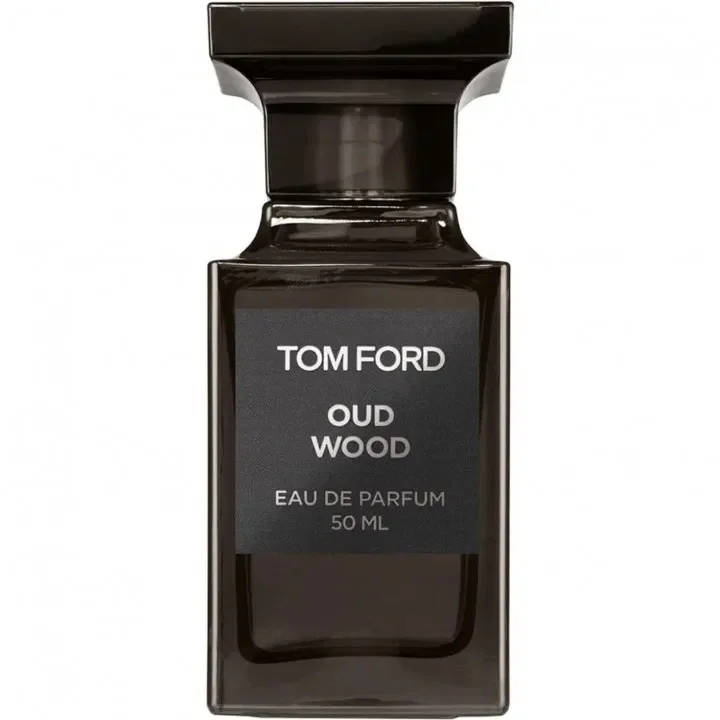
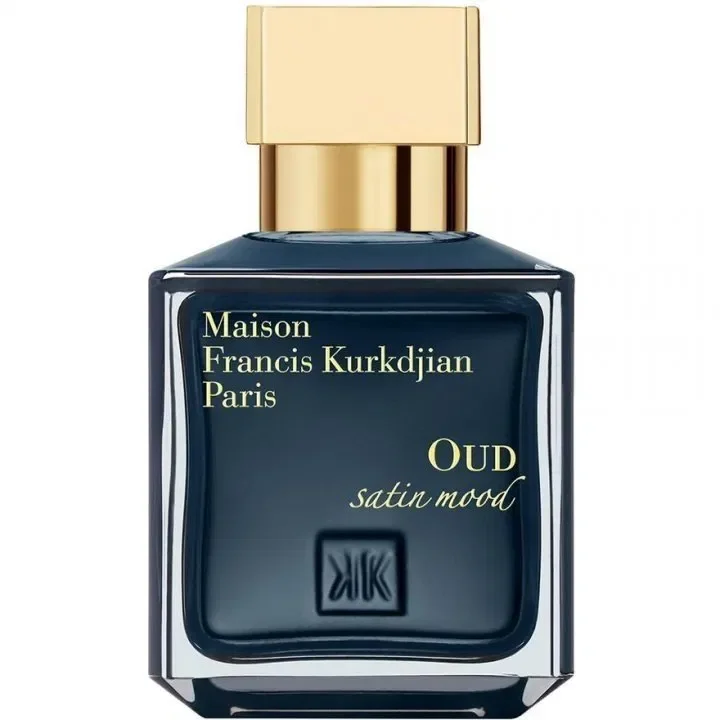
Most oud perfumes use an oud accord: woody amber materials, smoky and leathery notes, saffron and resins arranged to evoke oud, sometimes with a small amount of natural oil. Houses rarely say how much natural agarwood, if any, is inside. Tom Ford Oud Wood (2007) and Maison Francis Kurkdjian's Oud Satin Mood (2015) are famous, smooth, consistent examples of the style. Real oud vs synthetic oud explains how to tell the two apart.
That decouples price from content. A very expensive niche oud is not necessarily using more natural material than a mid-priced one. Why price does not equal quality makes the general argument, and the best oud perfumes list is a good place to choose by smell instead.
Does plantation oud make it cheaper?
Somewhat, and it is the biggest change in the category. Cultivated plantations in Southeast and South Asia, where trees are deliberately inoculated, now supply much of the market. That takes pressure off wild trees, makes supply more predictable and keeps trade legally straightforward.
It has not made good oud cheap. The biology, the waiting time and the tiny yield are unchanged. Plantation oil is generally considered less complex than the finest wild material, which formed slowly over decades, but the difference matters mostly at the very top of the market. For anyone buying a spray perfume, the bigger question is whether there is any natural oud in it at all. The wider supply story, including sandalwood, is in endangered perfume ingredients.
How to buy real oud without overpaying
If you want to smell the real material, buy the material, in a small amount, from a seller who tells you what it is.
- Ask four questions: where the wood came from, wild or cultivated, how it was distilled, and how old the oil is. A good seller answers all four; a vague one is telling you something.
- Start with a small sample, a fraction of a millilitre. Natural oud oil is dense, and a pinhead-sized dab on the back of the hand is a normal application.
- Expect it to be challenging. Real oud often opens barnyard-like, medicinal or cheesy before it settles into smoky, sweet wood. A perfectly smooth "oud" from the first second is usually an accord.
- Be wary of "pure oud" at a low price. Real oil cannot be cheap; very low prices usually mean a blend, a dilution or a synthetic.
- Judge over hours. Natural oud evolves for a long time. Smell it at one hour and at five, and log both in the WhatScent Journal so you can compare oils honestly.
If you prefer the polished perfume style, use Explore Notes in WhatScent to see perfumes built around oud, then put two candidates side by side in Compare Fragrances before you buy. The oud note guide and the modern oud guide map the main styles.
Frequently Asked Questions
Q1: Why is oud so expensive?
A: Oud only forms when an Aquilaria tree is wounded and infected, which cannot be reliably scheduled. The resin takes years to develop, a large mass of wood yields very little oil, and international CITES controls restrict wild harvest. Demand from buyers who burn and wear oud across the Gulf and Asia keeps prices for top grades very high.
Q2: Is oud really more expensive than gold?
A: For the finest grades, yes, the comparison is often made: top wild agarwood chips and the best aged oud oils can cost more than gold by weight. Ordinary and plantation grades cost far less, and the oud note in most perfumes is not made from that top material.
Q3: Does my oud perfume contain real oud?
A: Probably very little or none, though houses rarely say. Most oud perfumes, especially from Western brands, use an oud accord that recreates the smoky, woody character from other materials, sometimes with a trace of natural oil. Brands that use significant natural oud usually state it clearly.
Q4: Why are oud perfumes so expensive if they use synthetic oud?
A: Because the price of a perfume reflects brand, design, marketing, distribution and the perfumer's work as much as raw materials. An oud perfume can be expensive without containing much natural agarwood, so judge it by how it smells and wears on you, not by the word on the label.
Q5: Is plantation oud as good as wild oud?
A: Plantation oud is generally considered less complex than the finest wild material, which formed slowly over decades, but good plantation oil is still genuinely good. It also takes pressure off protected wild trees, which matters more than the difference at most price points.
What to do next
Sample one natural oud oil and one oud perfume side by side, and note in the WhatScent Journal how each smells at one hour and five hours. That single test tells you which kind of oud you actually want to own. WhatScent is free on iPhone and Android.
Related reads:
- Best layering with oud for what to pair with it
- Oud and vanilla layering for a softer way to wear it
- Middle Eastern perfumes and their global rise for the culture behind the material