Modern oud is, in most perfumes, a reconstruction. Natural oud (agarwood oil) is smoky, leathery, sweet and often animalic; the oud in a typical Western perfume is an accord built to keep the smoky woody warmth and leave out the barnyard and medicinal edges. That edit is why oud went from "acquired taste" to something people wear to the office, and it is also why a first sniff of a traditional oud oil can come as a shock.
This guide explains what oud actually is, how real and synthetic oud differ on skin, what the regional profiles (Hindi, Cambodi, Laotian and others) smell like, the four styles of modern oud, and eight perfumes that map the category, in the order a newcomer should try them.
Key Takeaways
- Oud is resin-soaked wood. Agarwood forms only when an Aquilaria tree is wounded and infected, which is why natural oud is scarce and costly.
- Most "oud" perfumes use an oud accord, sometimes with a trace of natural oil. It is a legitimate creative choice, not a scam, as long as nobody claims otherwise.
- Start smooth, then go darker. Tom Ford Oud Wood or a rose oud first; animalic ouds and natural oils last.
- Judge oud at hour one, not minute one. Openings are the least representative part of almost every oud.
- Sample before you buy. Oud is the category where blind buying goes most expensively wrong.
Table of Contents
- What is oud?
- Real vs synthetic oud: what is in your bottle
- Hindi, Cambodi, Laotian: what the regional ouds smell like
- The four styles of modern oud
- Modern oud at a glance
- 8 modern oud perfumes, from easiest to hardest
- How to start with oud without wasting money
- How to wear oud without overdoing it
- Frequently Asked Questions
- What to do next
Discover Your Next Signature Fragrance
Join a community of fragrance lovers. Honest reviews, scent stories and discovery shaped by people with your taste. Get access to the app today.
Live now • Free • Public launch 2026
What is oud?
Oud, also called agarwood, is the dark, resin-saturated heartwood of Aquilaria trees (and the related genus Gyrinops) from South and Southeast Asia. A healthy tree has pale, almost scentless wood; when it is wounded and invaded by fungi, it defends itself by producing an aromatic resin that slowly darkens the affected wood. Distilling that wood gives oud oil, known in Arabic as dehn al oud.
Two practical facts follow. No infection, no oud, so supply depends on a slow biological accident. And results are unpredictable: even on plantations where trees are deliberately inoculated, the amount and quality of resin varies from tree to tree. Wild Aquilaria is protected under CITES Appendix II, so international trade in agarwood must be documented, and plantation oud now supplies much of the market.
Traditional use runs deep across the Gulf, South and Southeast Asia: chips burned over charcoal (bakhoor), oils worn directly on skin, and oud layered with rose and amber. The oud note guide covers the material itself, and why oud is so expensive covers the economics.
Real vs synthetic oud: what is in your bottle
Most oud perfumes sold in department stores contain little or no natural oud. Perfumers build oud accords from other materials: woods such as guaiac and cedar, cypriol (nagarmotha) for its smoky earthiness, leathery and smoky aroma chemicals, saffron-like notes, and specialty materials such as Givaudan's Akigalawood, an agarwood-like note derived from patchouli. The accord is designed to evoke oud without its cost, supply problems or most challenging facets.
What the accord keeps and what it drops tells you exactly how modern oud differs from the oil:
| Facet of natural oud | In a modern oud accord? |
|---|---|
| Smoky, resinous woodiness | Kept, usually amplified |
| Warm, honeyed depth | Kept, often boosted with vanilla or amber |
| Leathery, tannic dryness | Often kept |
| Barnyard, animalic funk | Usually removed or softened |
| Medicinal, "band-aid" sharpness | Softened; still audible in bolder ouds |
| Fermented, cheesy opening | Removed |
How to tell on skin. A natural oud oil evolves for hours, shifting from sharp and fermented to sweet, woody and leathery, and it feels three-dimensional close to the skin. An accord tends to smell the same from minute ten to hour six: clean, dry, woody and a little smoky. Neither is "better"; several of the best-loved oud perfumes of the last twenty years are accords. The full comparison, including how to read labels, is in real oud vs synthetic oud.
Modern oud is oud with the difficult parts edited out. That is why it works in an office, and why someone who loves Oud Wood may not recognise a bottle of dehn al oud.
Hindi, Cambodi, Laotian: what the regional ouds smell like
Origin matters most once you move toward natural oils, but treat these as broad tendencies rather than rules: tree species, the age of the resin, how the wood is soaked or fermented before distillation, and the distiller's skill all shift the result as much as geography.
| Profile | Where it comes from | What it tends to smell like | Good for |
|---|---|---|---|
| Hindi | India, especially Assam | Deep, animalic, barnyard and fermented notes, leather and smoke; the most challenging | People who already love the note |
| Cambodi | Cambodia and the surrounding region | Sweeter and fruitier, with honeyed, leathery and woody facets | A first natural oud oil |
| Laotian | Laos | Often described as woody, resinous and gently sweet, less fruity than Cambodi and less animalic than Hindi | A middle step |
| Malaysian and Bornean | Malaysia, Borneo | Often greener, cooler and more resinous | Those who like dry, clean woods |
| Thai | Thailand | Varied, frequently sweet and spicy | Exploring |
A labelling note. When a Western perfume lists "Laotian oud" or "Cambodian oud", it names the style or the raw material the house used; the finished perfume is still a composition, and the oud may be a small natural fraction inside an accord. Montale, for instance, describes Black Aoud as built on Cambodian oud with patchouli, but it smells nothing like a raw Cambodi oil worn alone.
If you want to try a natural oil for the first time, start with a Cambodi rather than a Hindi, apply a drop the size of a grain of rice, and wait an hour. How to layer like an Emirati shows how oils are traditionally worn with sprays.
The four styles of modern oud
Almost every contemporary oud perfume sits in one of four styles. Knowing which you like is more useful than knowing individual names.
- Smooth woody oud. Oud accord polished with sandalwood, vetiver, tonka or vanilla. Dry, warm and easy. The style that made oud mainstream in the West.
- Rose oud. The classic Middle Eastern pairing. Rose adds lift and sweetness, oud adds depth; the contrast makes both legible, which is why it is the best teaching pair. See rose in perfume for the flower's side.
- Fresh, transparent or marine oud. Oud as a thin woody thread under citrus, salt or aromatic notes, built for daytime and warmer weather.
- Dark, spicy or animalic oud. Saffron, incense, leather or real animalic funk, closer to the traditional register. Smaller audience, deeper rewards.
The next section maps eight perfumes onto these styles so you can see where each one sits before you smell it.
Modern oud at a glance
Performance is what wearers commonly report, not a measurement; skin, climate and dose change it.
| Perfume | Style | Oud intensity | Sweetness | Best for |
|---|---|---|---|---|
| Tom Ford Oud Wood | Smooth woody | Low | Low to medium | Office, first oud, most seasons |
| Tom Ford Oud Minérale | Fresh marine | Low | Low | Daytime, warm weather |
| MFK Oud Satin Mood | Rose oud, sweet | Medium | High | Evenings, cold weather |
| Montale Black Aoud | Rose oud, dark | High | Low to medium | Cold weather, oud lovers |
| Byredo Oud Immortel | Smoky woody | Medium | Low | Autumn, incense fans |
| Initio Oud for Greatness | Spicy, bold | High | Low | Evenings, statement wear |
| Lattafa Oud for Glory | Spicy, bold | High | Low | Trying the bold style affordably |
| Le Labo Oud 27 | Dark, animalic | Very high | Low | Only once you know you love it |
8 modern oud perfumes, from easiest to hardest
We picked perfumes that genuinely centre on oud and that together cover the four styles, ordered roughly from easiest to most demanding. Price tiers are given in words.
Tom Ford Oud Wood
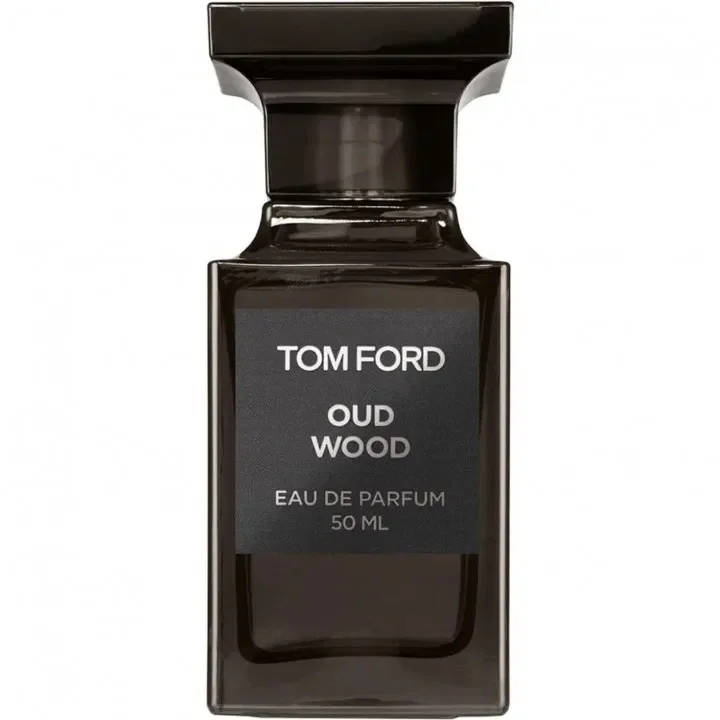
Tom Ford launched Oud Wood in 2007 in its Private Blend line; Richard Herpin composed it. It is the gateway oud: a smooth, dry woody scent with a soft spice and a clean oud thread, and none of the funk.
| Attribute | Details |
|---|---|
| Key notes (Tom Ford) | Oud wood, Brazilian rosewood, cardamom, Sichuan pepper, sandalwood, vetiver, tonka bean, amber |
| Wears like | Peppery rosewood, then polished dry woods with a faint creamy warmth |
| Performance | Moderate; it settles close to the skin after a few hours |
| Price tier | Luxury |
Choose it if you want to find out whether you like oud at all, or need an oud for work. Skip it if you want to actually smell oud: that is the most common criticism. Oud Wood vs Oud for Greatness and Oud Wood alternatives cover its neighbours.
Tom Ford Oud Minérale
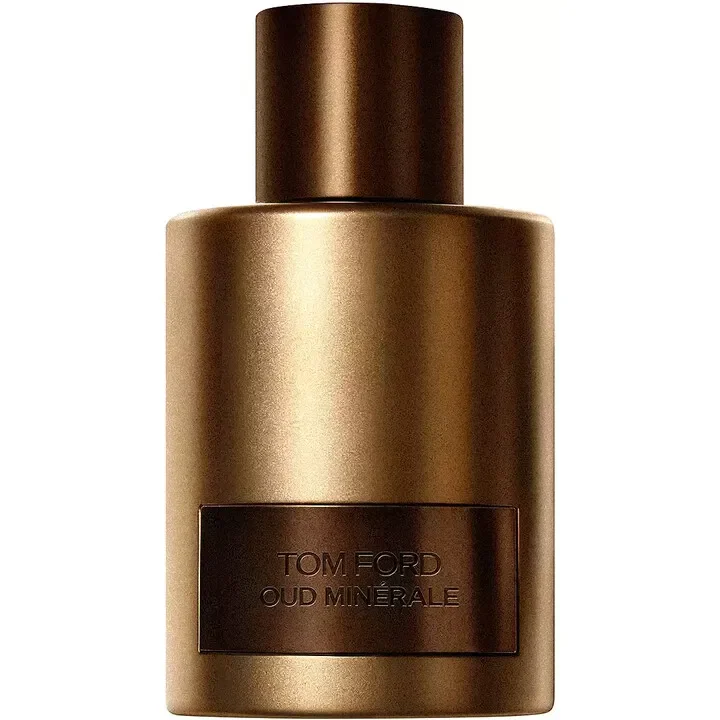
Oud Minérale (Private Blend, 2017) is the clearest example of the fresh style: oud set against sea salt, seaweed and pink pepper, so it reads as driftwood on a cold beach rather than smoke.
| Attribute | Details |
|---|---|
| Key notes | Pink pepper, sea salt, seaweed, pepperwood, ambergris accord, balsam fir, styrax, oud |
| Wears like | Salty, mineral and airy, with a dry woody base |
| Performance | Moderate |
| Price tier | Luxury |
Choose it if you want oud in summer or you like marine scents. Skip it if "oud" means warmth and depth to you. The marine accord guide explains the salty side.
Maison Francis Kurkdjian Oud Satin Mood
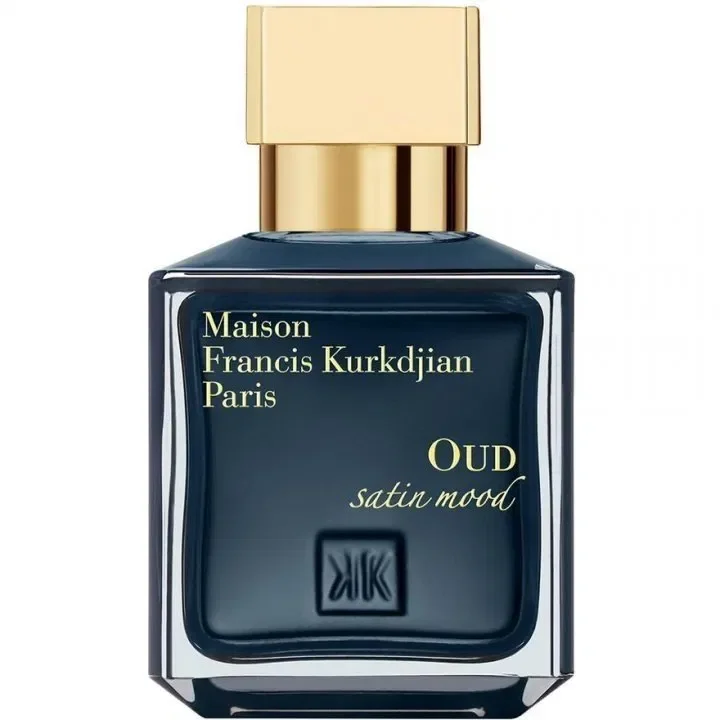
Francis Kurkdjian created Oud Satin Mood for Maison Francis Kurkdjian in 2015. The house describes a violet accord and oud wood giving way to Damask rose, melting into a vanilla-amber accord, with benzoin adding a honeyed sweetness.
| Attribute | Details |
|---|---|
| Key notes (MFK) | Violet accord, oud wood, Damask rose essence and absolute, benzoin, vanilla-amber accord |
| Wears like | Plush, powdery rose-violet over caramel-sweet vanilla; oud felt as texture |
| Performance | Long, with a dense trail from very few sprays |
| Price tier | Niche luxury |
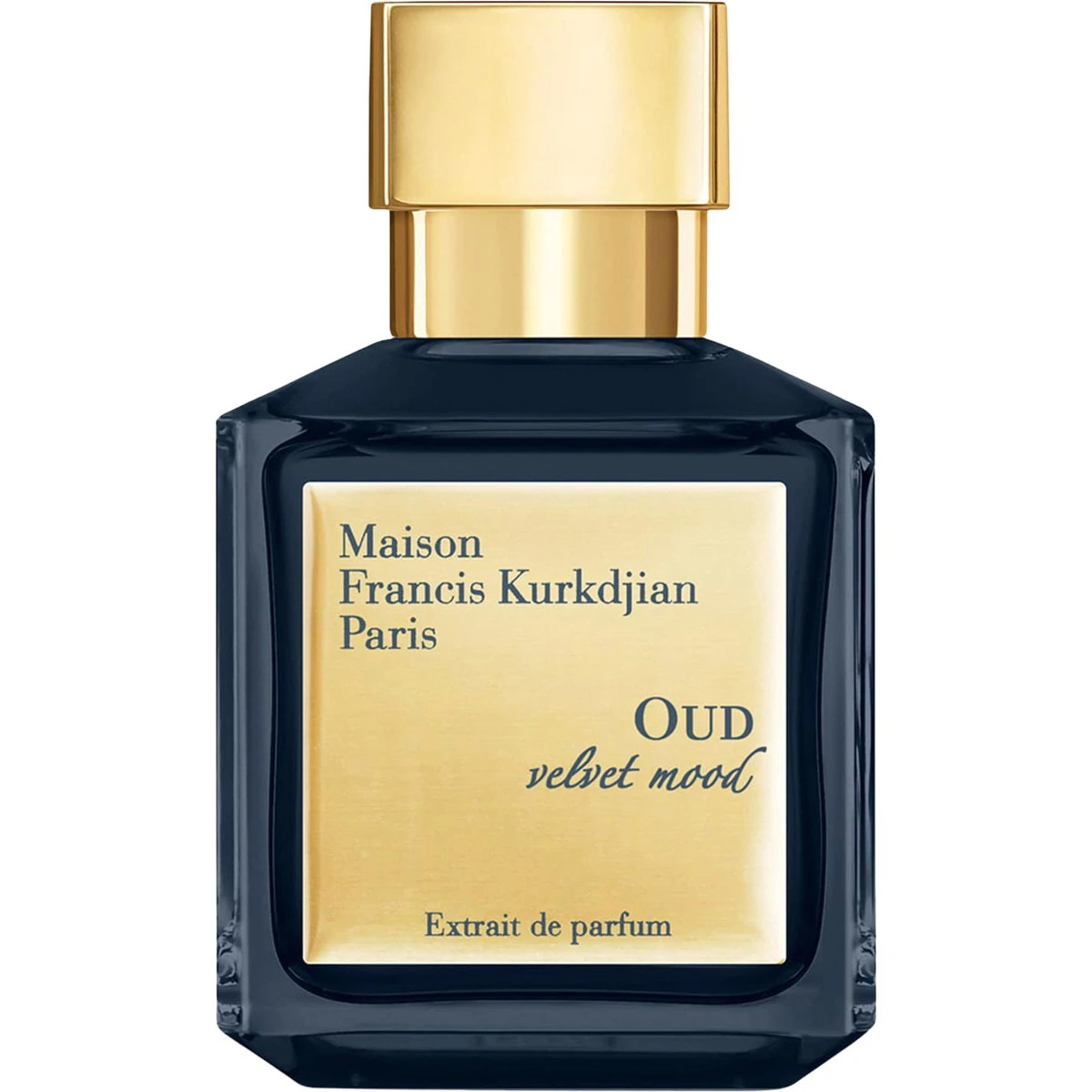
Choose it if you love rose and vanilla and want oud to feel velvety. Skip it if you dislike powdery or sweet scents. See Oud Satin Mood vs Oud Wood and Oud Satin Mood alternatives. The house also reworked its spicier sibling in 2026: Oud Velvet Mood returned as an Extrait de parfum built on peach, suede and a leathery oud.
Montale Black Aoud
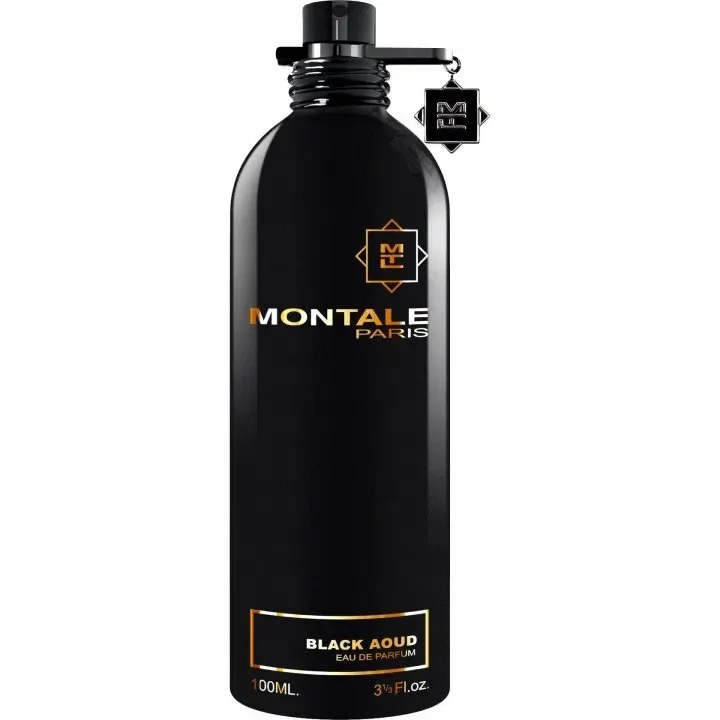
Black Aoud (2006) is Pierre Montale's dark rose oud and one of the house's signatures. Montale describes Cambodian oud with Indonesian patchouli, softened by musk, mandarin and roses.
| Attribute | Details |
|---|---|
| Key notes (Montale) | Mandarin, rose, oud, patchouli, musk |
| Wears like | Dense rose over smoky, slightly medicinal oud and earthy patchouli |
| Performance | Very long, and it clings to fabric |
| Price tier | Niche, at the more accessible end |
Choose it if Oud Satin Mood felt too sweet and polished. Skip it if you share a small office: one spray goes a long way.
Byredo Oud Immortel
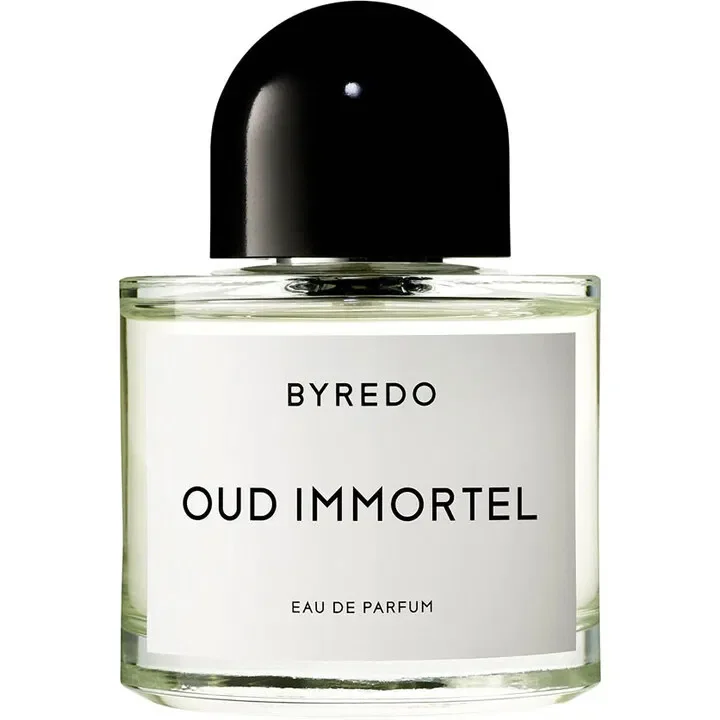
Byredo launched Oud Immortel in 2010. It frames oud with incense, papyrus, patchouli and tobacco leaf over a bright limoncello and cardamom opening, and it wears drier and smokier than the rose ouds.
| Attribute | Details |
|---|---|
| Key notes | Limoncello, incense, cardamom, Brazilian rosewood, papyrus, patchouli, oud, tobacco leaf, moss |
| Wears like | Citrus flash, then smoky incense woods with a dry tobacco edge |
| Performance | Moderate |
| Price tier | Niche luxury |
Choose it if you like incense and want oud without sweetness. Skip it if you want projection. The smoky incense accord guide covers the neighbouring territory.
Initio Oud for Greatness
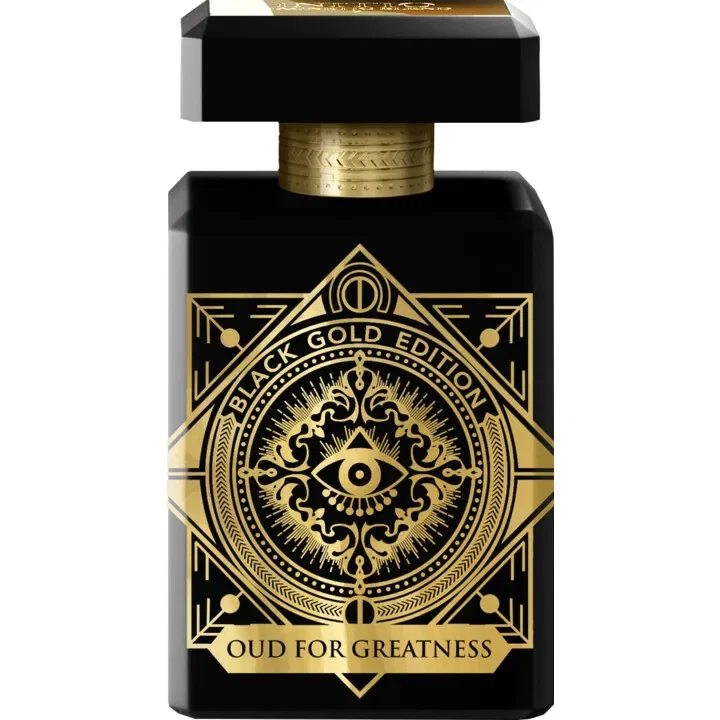
Initio launched Oud for Greatness in 2018. Oud is audible from the first spray, framed by saffron, nutmeg and a cool, aromatic lavender over patchouli and musk.
| Attribute | Details |
|---|---|
| Top notes | Saffron, nutmeg, lavender |
| Heart notes | Oud |
| Base notes | Patchouli, musk |
| Wears like | Leathery saffron and herbal lavender, then a dark, faintly medicinal oud |
| Performance | Long, with a big trail; one or two sprays are usually enough |
| Price tier | Niche luxury (higher) |
Choose it if you want to smell oud clearly and loudly. Skip it if medicinal oud facets bother you. The saffron note guide explains its leathery spice.
Lattafa Bade'e Al Oud Oud for Glory
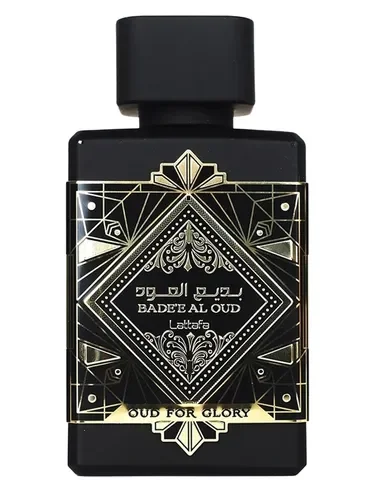
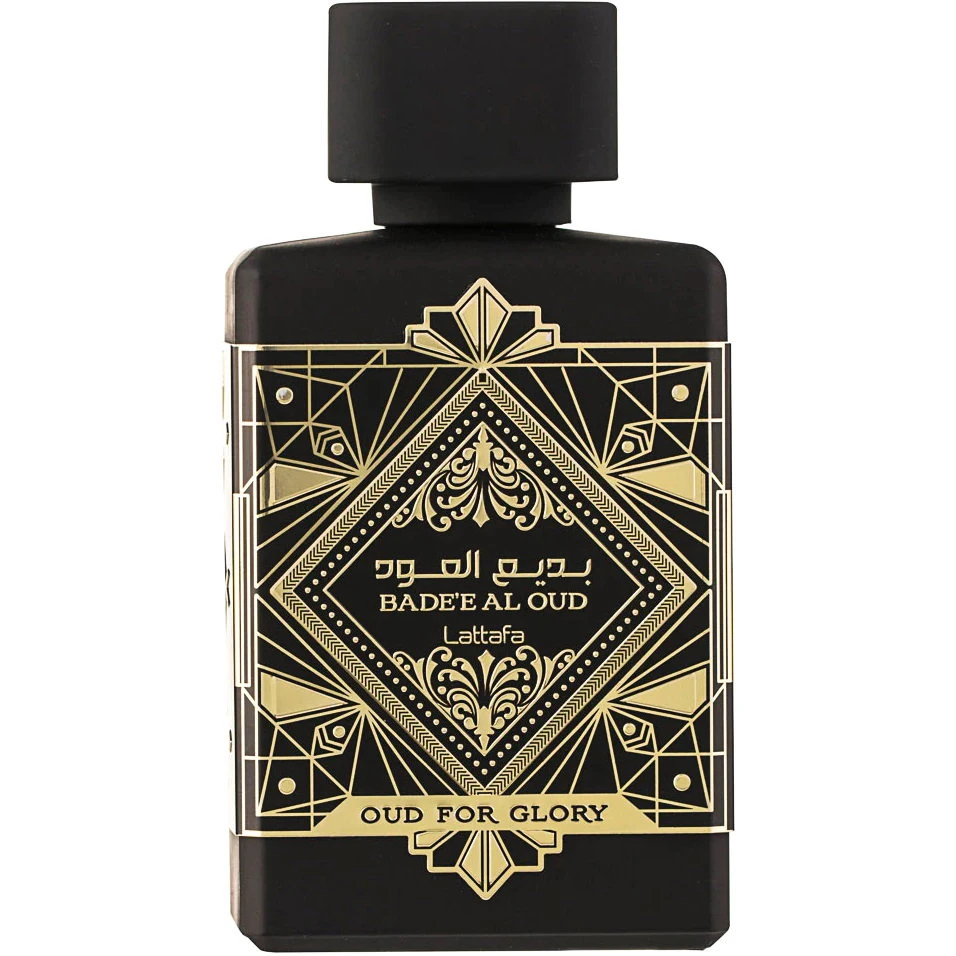
Lattafa's Oud for Glory (2020) is widely compared to Oud for Greatness and sits in the affordable tier. It follows the same saffron, nutmeg and lavender over oud and patchouli idea, a little rougher at close range.
| Attribute | Details |
|---|---|
| Key notes | Saffron, nutmeg, lavender, oud, patchouli, musk |
| Wears like | Spicy aromatic oud, dry and assertive |
| Performance | Strong for its price, as wearers commonly report |
| Price tier | Affordable |
Choose it if you want to learn whether the bold style suits you before paying niche prices. If you want more options like it, the Dupe Finder in the WhatScent app lists perfumes built like a reference you already know.
Le Labo Oud 27
Oud 27 (2009) is Le Labo's deliberately difficult oud: dark, dry, leathery and animalic, closer to the traditional register than most Western perfumes dare. It is divisive by design, powerful on skin and persistent on clothing, in the niche luxury tier. Try it last, and only once you already know you love oud; the best oud perfumes list has more options in every style.
How to start with oud without wasting money
A progression beats a leap, and each step costs a sample, not a bottle.
- Check that you like smoke and dry woods. Smell an incense or leather perfume first; the leather family guide is a good start. If you dislike both, oud will be hard work.
- Try a smooth woody oud (Oud Wood). If even this is too much, that is a useful answer.
- Try a rose oud (Oud Satin Mood, then Black Aoud). The rose makes the oud's structure audible.
- Try a bold or smoky oud (Oud for Greatness, Oud Immortel).
- Optionally, try a natural oil: a Cambodi, one small dab, judged after an hour.
Test on skin, one spray per wrist, and take notes at 20 minutes, two hours and six hours; the Journal in WhatScent keeps those checkpoints so you are comparing notes, not memories. Sampling before buying and why decants make sense go deeper.
How to wear oud without overdoing it
Oud is dense, persistent and projects further than it seems in the first minute, so application discipline matters.
- One or two sprays, not four. Most ouds need less than you think.
- Skin before clothing. Oud lingers on fabric for days, sometimes through a wash.
- Cold weather and evenings first. Heat amplifies everything; learn your tolerance in winter.
- Match the style to the room. Oud Wood and Oud Minérale can work at a desk; Black Aoud and Oud for Greatness belong to evenings. Sillage etiquette is worth a read before a big one goes to a meeting.
- Layering works. Oud with rose, vanilla or amber is traditional; layering with oud gives combinations.
Frequently Asked Questions
Q1: What does oud smell like?
A: Natural oud smells smoky, resinous and woody, with leathery, honeyed and sometimes barnyard or medicinal facets depending on origin and grade. Most modern oud perfumes use an oud accord that keeps the smoky woody warmth and removes most of the animalic and fermented notes, so they smell drier and cleaner than the oil.
Q2: Is there real oud in oud perfumes?
A: Often not, or only a small amount. Most oud perfumes in Western markets rely on oud accords built from woods, cypriol, leathery aroma chemicals and agarwood-like materials, because natural oud is scarce, costly and very challenging at full strength. Traditional oud oils and some niche perfumes do use natural agarwood.
Q3: What is the difference between Cambodi and Hindi oud?
A: Hindi oud, from India and especially Assam, tends to be deep, animalic and fermented, with barnyard and leather notes. Cambodi oud is usually sweeter and fruitier, with honeyed and woody facets, which makes it the easier first natural oil. Species, resin age and distillation change both, so treat these as tendencies.
Q4: What is the best oud perfume for beginners?
A: Tom Ford Oud Wood is the most common first oud because it is smooth, dry and office-friendly. A rose oud such as Maison Francis Kurkdjian Oud Satin Mood is the next step if you enjoy sweeter scents. Leave animalic ouds such as Le Labo Oud 27 until you know you like the note.
Q5: Can you wear oud in summer?
A: Yes, if you pick the style and dose carefully. Fresh or marine ouds such as Tom Ford Oud Minérale are built for warm weather, and one spray of a smooth woody oud also works. Dense sweet or animalic ouds are much harder to wear in heat.
What to do next
Open oud in Explore Notes in the WhatScent app to see which perfumes feature it, then save three samples, one from each style that appeals, to your Wishlist and test them over a week.
- Real oud vs synthetic oud for label reading and skin tests
- Why oud is so expensive for the economics behind the note
- Grand Soir vs Oud Satin Mood if you are torn between amber and rose oud